Weeknights shouldn’t feel like a race against the clock. If you’re tired of the 5 PM scramble leading to greasy takeout or the same bland rotation of meals, this guide is for you. Instead of rigid plans that fall apart by Wednesday, you’ll learn flexible, flavor-forward techniques that make healthy eating realistic and enjoyable. We go beyond basic meal prep strategies to show you how to build mix-and-match components, maximize ingredients, and streamline your routine. Rooted in real-world kitchen experience, this step-by-step framework will help you save time, cut costs, and finally make stress-free healthy eating stick.
The Strategic Foundation: Core Philosophies for Effortless Meal Planning
First, let’s clear up a common confusion: Batch Cooking vs. Component Prepping. Batch cooking means preparing full meals in advance. Component prepping, on the other hand, focuses on ready-to-use ingredients—like roasted vegetables, grilled chicken, or cooked quinoa—that can be mixed and matched. The benefit? Flexibility. Instead of eating the same chili three days straight (hello, flavor fatigue), you build different plates from the same base.
Next comes the “Cook Once, Eat Thrice” Principle. Cook a single core protein—say, lemon-herb chicken—and transform it into tacos, a grain bowl, and a hearty soup. You save time, reduce waste, and keep meals interesting.
Meanwhile, Theme-Based Planning eliminates decision fatigue. Assign simple themes to guide your week:
| Night | Theme |
|---|---|
| Monday | Global Bowls |
| Thursday | Sheet Pan Suppers |
| Saturday | Comfort Classics |
As a result, grocery shopping becomes faster and more intentional.
Finally, build a Flavor Toolbox—versatile sauces, dressings, and spice blends that elevate basics instantly. Think tahini dressing, chimichurri, or a smoky paprika rub. Pro tip: one great sauce can rescue a bland meal.
Used consistently, these meal prep strategies turn chaos into calm—and give you back hours each week.
Technique 1: Master the Art of Component Prepping
If you’ve ever stared into your fridge at 6 p.m. hoping dinner would magically assemble itself (we’ve all been there), component prepping is your secret weapon. Instead of cooking full meals, you prep versatile building blocks—so you can mix, match, and eat well all week.
The “Grain Base” Method
Cook a big batch of quinoa, farro, or brown rice at the start of the week. These whole grains—meaning they contain the bran, germ, and endosperm—offer sustained energy and fiber (Harvard T.H. Chan School of Public Health). Use one pot, cool it quickly, and store it airtight. Suddenly, you’ve got the base for grain bowls, hearty salads, stuffed peppers, or quick stir-fries. The benefit? Fewer decisions, faster meals, and better nutrition in every scoop.
The “Roasted Vegetable Medley”
Next, roast a large tray of seasonal vegetables at 400°F with olive oil, salt, and cracked pepper. Think broccoli + carrots + red onion, or zucchini + bell peppers + cherry tomatoes. Cut evenly for consistent caramelization (that golden edge equals flavor). These veggies hold up beautifully in bowls, wraps, or omelets—saving you time while adding color and antioxidants.
Protein Power-Up
Prep adaptable proteins: shredded chicken, marinated tofu, or hard-boiled eggs. Protein supports muscle repair and satiety (Mayo Clinic), which means fewer snack attacks later. Keep seasoning neutral so you can pivot flavors throughout the week.
Sauce is Boss
Finally, make quick sauces:
- Lemon-Tahini: Tahini + lemon juice + garlic + warm water + salt.
- Cilantro-Lime: Blended cilantro, lime juice, olive oil, honey, and salt.
- Honey-Dijon Vinaigrette: Dijon, honey, apple cider vinegar, olive oil.
Here’s what’s in it for you: faster dinners, less waste, and total flavor control. Smart meal prep strategies turn your fridge into a choose-your-own-adventure kitchen.
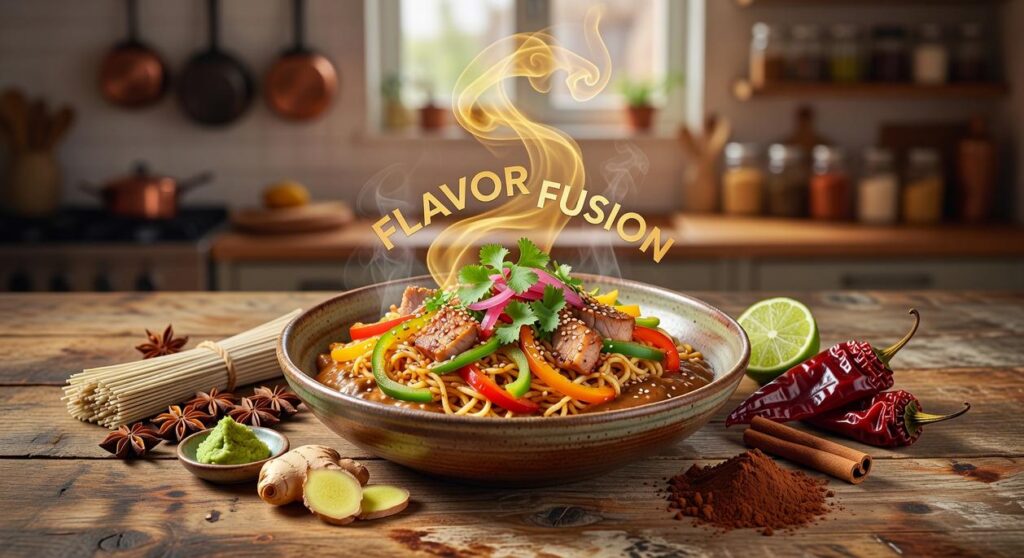
Technique 2: Embrace Flavor Fusion for Maximum Variety

Back in 2020, when home cooking surged, many people realized something surprising: boredom wasn’t coming from eating at home—it was coming from repeating the same flavors. That’s where flavor fusion changes the game.
First, think cross-utilization of ingredients—choosing groceries that work across cuisines. A bell pepper isn’t just for stir-fry. Slice it for fajitas, toss it into a Greek salad, or roast it for a grain bowl. One ingredient, multiple identities (kind of like an actor nailing both drama and comedy).
Some argue this approach waters down authenticity. Fair point. But fusion isn’t confusion—it’s flexibility. And flexibility saves time and money.
Ingredient Spotlight: The Sweet Potato
After three months of testing different prep methods, one ingredient stood out: the sweet potato. Mash it as a side, cube and roast it for bowls, or slice it into “toast” for breakfast. Its natural sugars caramelize when roasted—a chemical process called the Maillard reaction (Harvard T.H. Chan School of Public Health notes roasting enhances flavor complexity).
Spice Blend Synergy
Finally, spice blends create instant transformation. Taco seasoning today, Italian herbs tomorrow. The base stays the same; the flavor story shifts.
If you’re refining your meal prep strategies, explore more ideas in how to batch cook without getting bored of your meals. Pro tip: prep neutral proteins, season later for maximum variety.
Technique 3: Leverage Fermentation and Pickling for Instant Impact
First, let’s define a quick pickle: vegetables soaked briefly in an acidic brine (usually vinegar, water, salt, and a touch of sugar) to create flavor without long fermentation. The 10-minute quick pickle—thinly sliced red onions or carrots in hot vinegar brine—adds bright crunch to tacos, grain bowls, or even avocado toast (yes, it’s still undefeated).
Some argue pickling is unnecessary fuss. However, that sharp acidity balances fat and salt in ways plain veggies can’t. Think of it as the “squeeze of lemon” effect, amplified.
Meanwhile, fermented foods like kimchi, sauerkraut, and yogurt bring lactic fermentation—a process where beneficial bacteria convert sugars into lactic acid—adding tang and gut-health perks (Harvard Health, 2023). Zero extra cooking time, maximum complexity.
Use meal prep strategies in the section once exactly as it is given
Finally, add a spoonful of kimchi to rice, protein, and vegetables. Suddenly it tastes chef-driven, layered, alive. Pro tip: pickle once, upgrade five meals.
For those looking to save time while bringing vibrant flavors to their weeknight meals, incorporating elements from fusion cooking, as discussed in our guide on ‘How to Master East-Meets-West Fusion Cooking at Home,’ can elevate your meal prep game.
Your Blueprint for Effortless, Healthy Meals
You came here looking for a simpler way to eat well without the nightly stress—and now you have it. With component prepping, flavor fusion, and fermentation in your toolkit, your meal prep strategies are no longer about rigid plans but flexible building blocks that work for you.
No more scrambling at 6 p.m. No more sacrificing health for convenience. This system replaces overwhelm with ease, turning weeknight cooking into quick assembly of meals that are vibrant, nourishing, and satisfying.
Start small. This week, prep one grain and one sauce. Experience how a single shift can transform your routine—and make healthy eating feel effortless.