Stuck in a cooking rut? I get it. You’re tired of the same lemon-and-herb, tomato-and-basil combos.
Sound familiar? Many home cooks want to break free but hesitate. Who wants to waste money on a failed dish, right?
Enter the world of fusion cuisine flavors. This isn’t just a list of pairings. It’s the key to understanding why flavors work together.
I’m passionate about deconstructing tastes. I dig deep into ancient techniques like fermentation and modern culinary science. Trust me, I’ve been there, experimenting in the kitchen.
You need a guide that can teach you to confidently create your own culinary magic. You’ll learn the art and science behind exciting flavors.
Ready to open up a world of unexpected tastes? Let’s get cooking.
The Flavor Symphony: Art and Science of Taste
Every dish tells a story, right? At its heart are the five basic tastes: sweet, sour, salty, bitter, and umami. They form the backbone of all flavor.
Without them, we’d be lost in a bland world.
This isn’t just about throwing ingredients together. It’s about understanding fusion cuisine flavors. You’re not just a cook; you’re an artist and a scientist.
Think of flavors like music. Complementary pairings work like a smooth harmony. Take tomato and basil.
Both share linalool, creating that perfect Italian blend.
On the flip side, contrasting pairings add a lively rhythm. Imagine spicy chili paired with cooling cucumber. It’s like the bass drop in your favorite song, surprising yet satisfying.
But wait, there’s more! You ever struggled to combine two seemingly opposing flavors? a ‘flavor bridge’ saves the day. Picture spicy chorizo and sharp goat cheese.
Honey becomes the bridge, connecting the heat and tang with a golden sweetness. You can find more about such creative combinations in the art sweet savory pairings.
What’s next? Well, as we dive deeper into flavor pairing, expect to explore more adventurous fusion cuisine flavors. With global influences constantly shifting, who knows what exciting pairings lie ahead?
Maybe you’ll be the one to discover them.
Pro tip: Experiment in your kitchen. Try new combinations. You never know which will become your next signature dish.
Taste and tweak. true flavor magic happens. And remember, the boldest ideas sometimes come from the most unexpected places.
Beyond Bacon & Maple: Reinventing Sweet and Savory
You know the classics, right? Prosciutto and melon. Salted caramel.
These combinations have been around forever, probably for a good reason. But let’s shake things up a bit. Ever thought about strawberry and black olive?
Sounds odd, but hear me out. The olive’s briny, umami depth cuts through the berry’s sweetness, revealing earthy notes. It’s like the strawberries finally get to show their full personality.
Try a tapenade on crostini with fresh strawberries. Trust me, it’s a game-changer.
Next up is dark chocolate and aged parmesan. It’s not just for fancy cheese boards anymore. The cheese’s saltiness and crystalline texture meet the smooth, bitter chocolate for a complex, satisfying bite.
Imagine shaving that parmesan over a rich chocolate mousse. You get this contrast that’s almost otherworldly. It’s decadent without being over the top (like) a culinary plot twist you didn’t see coming.
And then there’s the trio: peach, blue cheese, and thyme. I know, sounds like a lot. But the sweet peach mellows the pungent blue cheese, while thyme bridges it all together with its aromatic magic.
Picture it in a simple summer salad or on top of grilled pork chops. Seriously, it’s the kind of dish that makes you rethink everything you thought you knew about flavor.
These combos are just the tip of the iceberg when it comes to fusion cuisine flavors. If you’re curious, diving into more fusion recipes could open up a whole new world. Who knows what unlikely duo might become your next favorite?
Deep Flavor: Fermentation’s Secret Sauce
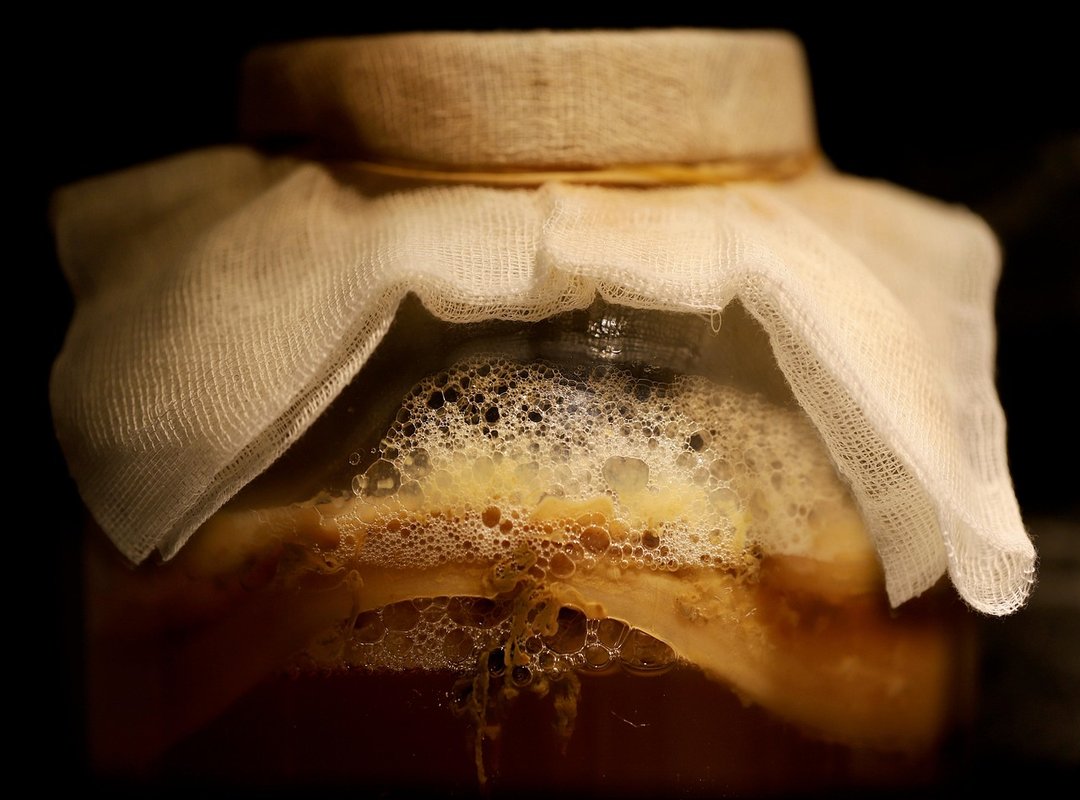
Fermentation is like a culinary cheat code you didn’t know you needed. Why toss a few raw ingredients together when you can open up layers of flavor you didn’t think possible? Fermented foods deliver that savory, umami punch (the) kind you crave but can’t describe.
Ever tried white miso whipped into butter on corn? It’s a game-changer. Or maybe drizzling miso caramel over ice cream has more of that sweet-savory twist you’re after.
Either way, it pops.
Then there’s kimchi. It’s not just a sidekick. Imagine tangy brine as a salad vinaigrette base.
Or think about kimchi bits folded into scrambled eggs or mixed in pancake batter. It’s a flavor explosion at breakfast. Don’t knock it ’til you try it.
And how about gochujang? This Korean chili paste is your all-in-one stop for sweet, savory, and a hint of spicy. Melted into a butter over roasted vegetables or a juicy steak, it’s a little dab that does wonders.
You find yourself adding it to everything, wondering why it took so long.
Fermentation isn’t just about the flavors. It’s about making meals that connect on a whole new level (and yes, a hint of pop culture nostalgia as you drizzle that miso caramel). The best part?
You’re turning everyday dishes into something special without the headache of a five-star recipe.
Ready to Create Bold Flavor Profiles Cooking? Trust me, once you dive into fusion cuisine flavors with fermentation, there’s no going back. It’s the secret weapon that upgrades your kitchen game, one dish at a time.
Who knew simple ingredients could hold such depth?
The Feel of Food: Why Texture & Temperature Matter
Ever bite into something and get a little surprise? That’s the magic of fusion cuisine flavors. It’s not just taste, it’s a full sensory trip.
Texture and temperature play their own wild roles here.
Let’s talk texture. There’s something deeply satisfying about contrasting textures, isn’t there? Imagine the pop of pomegranate seeds on creamy hummus.
Or the crunch of toasted breadcrumbs over soft mac and cheese. That contrast makes your taste buds dance. (Yes, it really does.) Pair creamy with crunchy, soft with crispy. You get the idea.
Temperature is another game-changer. Hot-and-cold combos in one bite? A surprising delight.
Picture this: a scoop of cold sorbet in bubbly prosecco. Or warm, jammy fruit compote over cold Greek yogurt. Even a hot piece of grilled halloumi on cool, crisp watermelon salad.
Each bite is a little shock to your system. In the best way.
But why does this matter? Because food is more than fuel. It’s an experience.
When you mix things up with texture and temperature, you get something memorable. Something worth talking about. (And eating again.)
Pro tip: Experiment at home. Play with your meals. Add a crunchy topping to a smooth dish or serve hot and cold side by side.
You’ll be amazed at how these little changes make a big impact. Food should be fun, after all.
A Taste Revolution Awaits
Stuck in a flavor rut? It’s daunting, I know. But the adventure begins here.
By grasping pairing, fermentation, and sensory contrast, you’re ready for culinary innovation. No need to overhaul your pantry. Just start small. Fusion cuisine flavors offer endless potential.
Don’t overthink it. Dive in. Pick one new pairing from the list this week.
Imagine discovering your next favorite dish. Seriously, what’s holding you back? Experimentation is key, not hesitation.
Your taste buds will thank you. Ready to shake things up? Go ahead, try it.
The world of flavors awaits. Your kitchen is your playground.
 Founder & Culinary Innovation Director
Ask Syldric Rendall how they got into meal prep hacks and you'll probably get a longer answer than you expected. The short version: Syldric started doing it, got genuinely hooked, and at some point realized they had accumulated enough hard-won knowledge that it would be a waste not to share it. So they started writing.
What makes Syldric worth reading is that they skips the obvious stuff. Nobody needs another surface-level take on Meal Prep Hacks, Flavor Fusion Concepts, Culinary Buzz. What readers actually want is the nuance — the part that only becomes clear after you've made a few mistakes and figured out why. That's the territory Syldric operates in. The writing is direct, occasionally blunt, and always built around what's actually true rather than what sounds good in an article. They has little patience for filler, which means they's pieces tend to be denser with real information than the average post on the same subject.
Syldric doesn't write to impress anyone. They writes because they has things to say that they genuinely thinks people should hear. That motivation — basic as it sounds — produces something noticeably different from content written for clicks or word count. Readers pick up on it. The comments on Syldric's work tend to reflect that.
Founder & Culinary Innovation Director
Ask Syldric Rendall how they got into meal prep hacks and you'll probably get a longer answer than you expected. The short version: Syldric started doing it, got genuinely hooked, and at some point realized they had accumulated enough hard-won knowledge that it would be a waste not to share it. So they started writing.
What makes Syldric worth reading is that they skips the obvious stuff. Nobody needs another surface-level take on Meal Prep Hacks, Flavor Fusion Concepts, Culinary Buzz. What readers actually want is the nuance — the part that only becomes clear after you've made a few mistakes and figured out why. That's the territory Syldric operates in. The writing is direct, occasionally blunt, and always built around what's actually true rather than what sounds good in an article. They has little patience for filler, which means they's pieces tend to be denser with real information than the average post on the same subject.
Syldric doesn't write to impress anyone. They writes because they has things to say that they genuinely thinks people should hear. That motivation — basic as it sounds — produces something noticeably different from content written for clicks or word count. Readers pick up on it. The comments on Syldric's work tend to reflect that.