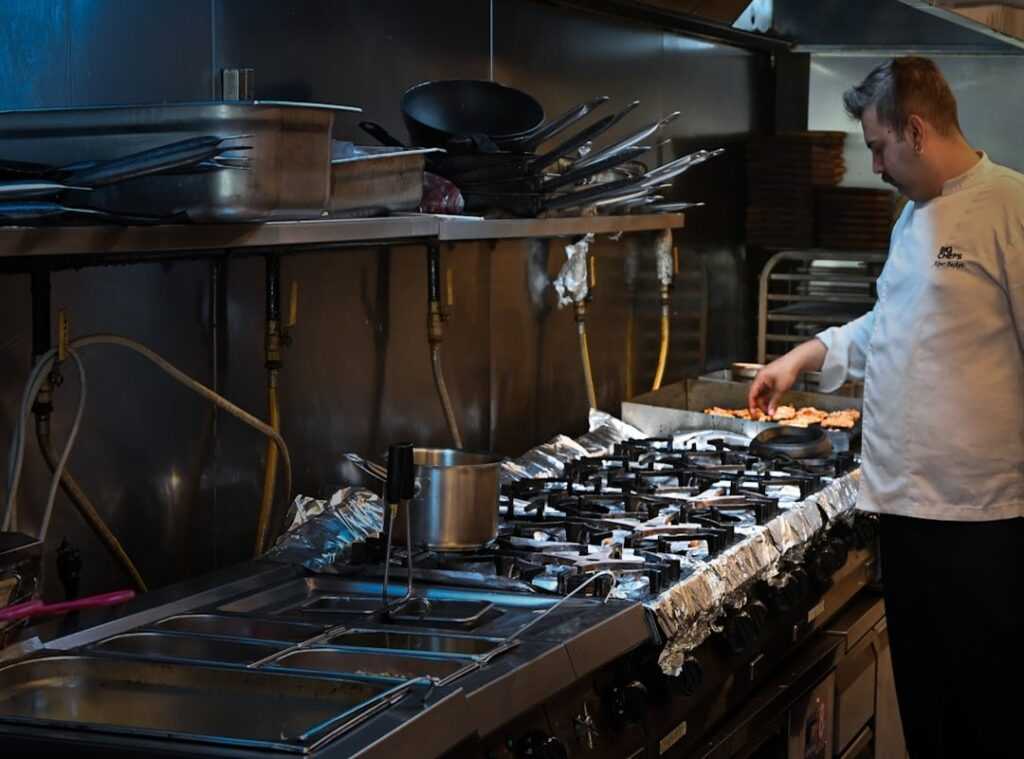
We can all admit it: handling a knife with confidence in the kitchen isn’t as easy as it looks. Too many home cooks find themselves frustrated by dull blades, awkward cuts, and the occasional slip that makes you wince. Sound familiar?
Learning important knife skills isn’t just about cutting faster (though that’s a nice perk). It’s about transforming your entire cooking experience, boosting both efficiency and safety.
I’ve taught dozens of folks how to master those blades. Trust me, the right techniques make a world of difference. When you know what you’re doing, you’re not just saving time (you’re) ensuring your fingers stay intact.
Why does this matter? Because every recipe begins at the cutting board. Without these skills, even the simplest dish feels like a chore.
Stick with me here, and you’ll walk away equipped with the know-how to slice, dice, and chop like a pro. Ready to upgrade your kitchen game?
Knife Anatomy: Mastering the Basics
When it comes to important knife skills, knowing your knife parts isn’t just nerdy trivia. It’s practical. Let’s cut to it: the blade is your main player.
It slices, dices, and does all the heavy lifting. But the handle? It’s the unsung hero.
It gives you control and comfort (like a good pair of shoes). Then there’s the tang, the part of the blade that extends into the handle. A full tang means better balance and strength.
Ever wonder why some knives have that thick bit between the blade and handle? That’s the bolster. It adds weight and helps with precision.
Understanding these parts can seriously up your cooking game. A chef’s knife with a full tang and a comfortable handle is versatile for most tasks. Need to fillet a fish?
A flexible blade is your friend. For chopping veggies, a knife with a solid bolster makes it easier.
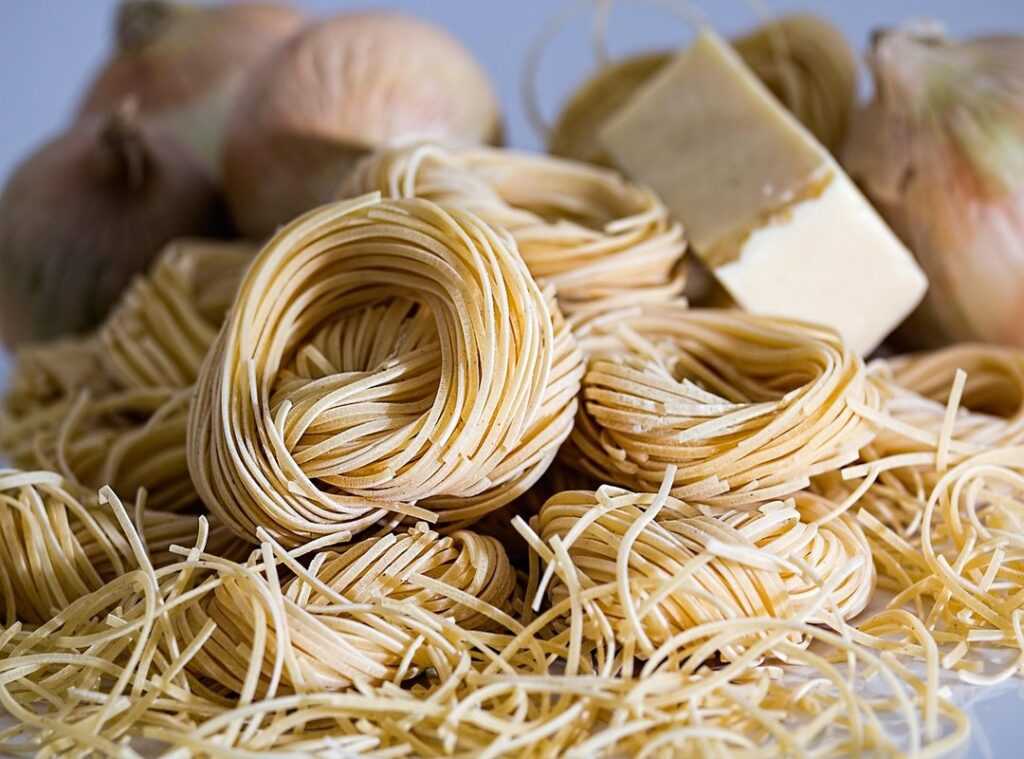
Pro tip: A good knife doesn’t have to break the bank. It just needs the right anatomy for the job. If you want to dive deeper into kitchen skills, check out this guide perfecting pasta from scratch.
It’s a tasty way to put those knife skills to the test.
Knife Skills: Important Techniques for Home Cooks
Ever tried chopping a carrot, only to find it sliding all over the place? Let’s fix that. Knowing a few important knife skills changes everything in your kitchen.
You don’t need to be a chef to chop, slice, dice, and mince like a pro.
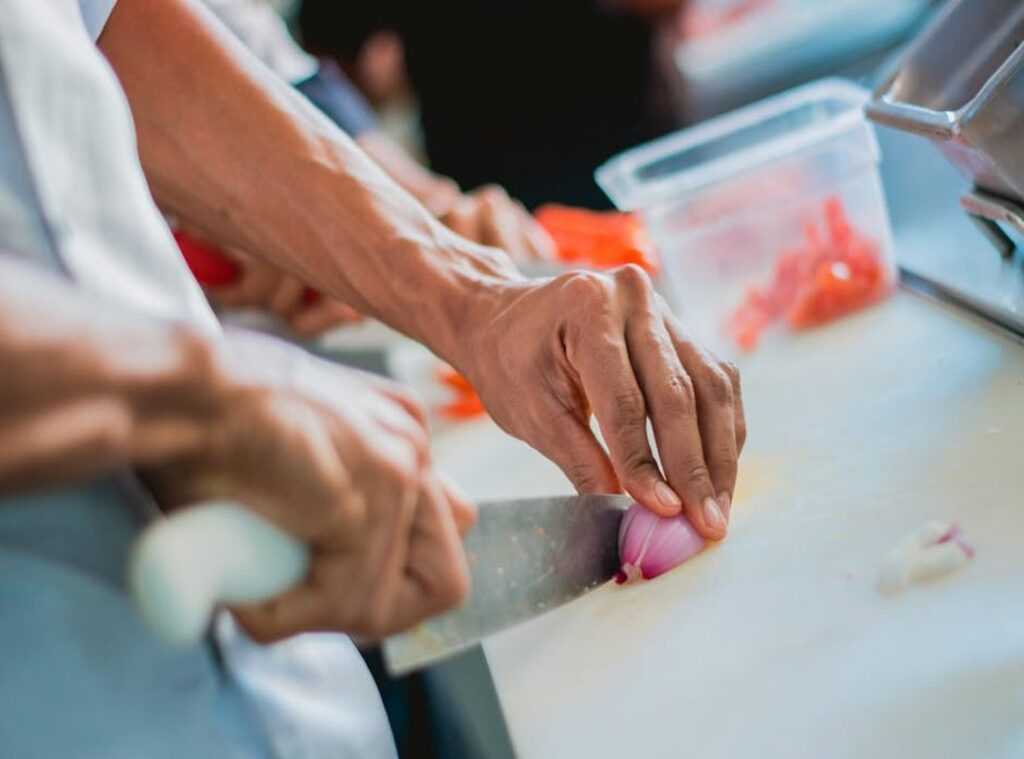
First up, chopping. It’s the backbone of kitchen skills. You hold the knife correctly (trust me, it matters).
Grip the handle, thumb on one side, fingers on the other. Then use a rocking motion, pivoting the knife’s tip on the board. This isn’t just for show; it keeps the knife steady and your fingers safe.
Sounds simple? Try keeping your fingers tucked in (the infamous claw grip) to avoid any, well, accidents.
Next, slicing. It’s all about precision and thinness. Keep the blade sharp (dull knives are dangerous, did you know?), and use the full length of the knife for smooth motions.
Want to impress with paper-thin slices of tomato or onion? This is your go-to.
Dicing is a bit more structured. Cut your veggies into uniform slices, turn them, and slice again for cubes. Uniform cubes cook evenly, enhancing flavors.
Imagine making salsa with uneven chunks. It just doesn’t blend right!
Finally, mincing. Small stuff like garlic is tricky. Gather your sliced pieces, then use the knife in a quick, repeated motion.
The key is to keep your knife moving fast over the center of what you mincing.
For more on these techniques, check out these knife skills guides. Practicing safely and effectively means knowing when to slow down. Don’t be in a rush (as) my old chef mentor would say, “The food isn’t going anywhere.”
Here’s a pro tip: practice with a few veggies first. You get the hang of it faster than you’d think. And clean those knives right after use; it extends their life.
Simple wins, right? With these foundational techniques, cooking becomes way more fun. Not to mention, safer.
Mastering Knife Skills: Slice, Dice, Conquer
When it comes to cooking, important knife skills are your best friend. You know, like that one friend who always knows where the party’s at. to some advanced techniques that can really up your game: julienning, chiffonade, and brunoise. Ever wondered why your veggies don’t look like those Instagram-worthy dishes?
It’s all about the cut.
Julienning is slicing your veggies into long, thin strips. Think matchsticks. Carrots love this cut.
It’s perfect for stir-fries and salads. Chiffonade is all about those leafy greens. Roll them up and slice thinly.
Basil and mint are best for this. It adds a fresh touch to your dishes. Brunoise is the king of precision.
You’re dicing food into tiny cubes. Ideal for garnishes or that classic mirepoix base.
Why bother with these techniques? They transform your cooking. Imagine serving a dish where the veggies aren’t just tossed in but are a highlight.
The different cuts let flavors shine. Julienning carrots for a salad helps with even cooking but also presentation. Chiffonade basil on a caprese salad looks professional.
And brunoise? It’s all about that texture.
Pro tip: keep your knife sharp. A dull knife is dangerous and frustrating (ever tried slicing a tomato with a dull blade?). Need a break from slicing and dicing?
Check out some Baking Basics Fluffy Cakes Pastries. It’s a nice change and a chance to explore other culinary skills.
Master these knife techniques and watch your cooking transform. It’s not just about the taste; it’s how you present it. Your dishes will look and taste like they belong in a restaurant.
Isn’t that what we’re all aiming for in the kitchen?
Knife Sense: Sharpening Tips and Safety Savvy
Keeping your knives sharp isn’t just a skill. It’s a necessity. Dull knives are the real culprits of kitchen mishaps.
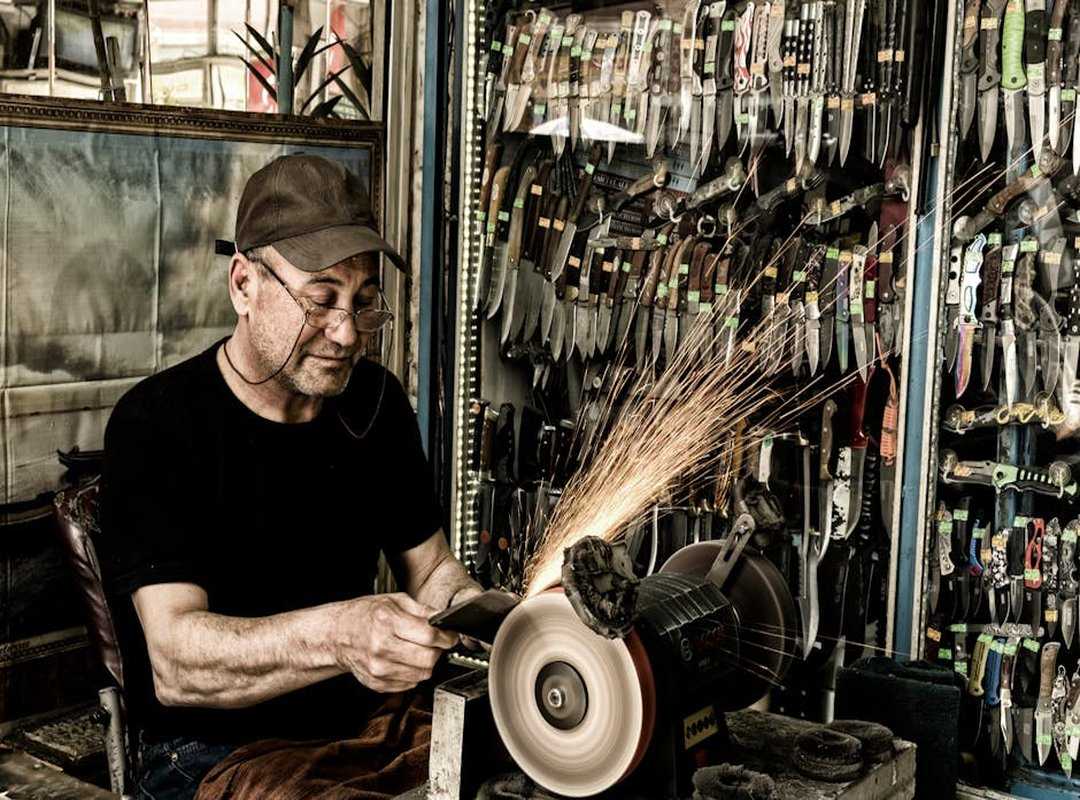
You might think you’re safe, but trust me, that false sense of security is misleading. Sharp blades are the true game-changers here.
I’ve tried a ton of sharpening methods (stones, rods, you name it). A whetstone is my go-to. Important knife skills include not just knowing how to cut but also how to maintain your tools. It’s like being a mechanic for your kitchen.
Honing is different from sharpening. It’s quick and keeps your blade aligned. Do it regularly.
Cleaning? Just as key. A gentle hand wash and immediate drying will keep those blades pristine.
Here’s a pro tip: Store knives properly. A magnetic strip or a block is better than tossing them in a drawer. Safety first, always.
Remember, respecting your tools translates to respecting your ingredients.
If you’re unsure about technique, plenty of video tutorials can guide you. But don’t just watch (practice.) Get hands-on. Each session makes you more adept.
Are you ready to raise your kitchen game? Master these tips, and you’ll notice the difference every time you slice an onion or carve a roast.
Knife Talk: Slicing Through the Choices
Choosing the right knife for the job matters more than you think. A chef’s knife is the workhorse of the kitchen. It can handle most tasks, from dicing onions to slicing meat.
But would you use it to peel an apple? Probably not. a paring knife steps in. It excels at those small, precise jobs.
Then there’s the serrated knife. It’s not just for bread. Ever tried slicing a tomato with a dull blade?
It’s a mess. A serrated edge cuts through effortlessly. So why is this important?
Using the right knife makes cooking easier but also safer.
Building a versatile knife collection doesn’t mean you need every knife on the market. Focus on the essentials. Start with these three: chef’s, paring, and serrated.
These are your important knife skills. They’ll cover most of your needs. Trust me, investing in quality knives changes the game entirely.
Slice Through Culinary Mastery
Mastering important knife skills is the backbone of any culinary journey. You know it, I know it. The kitchen transforms when you truly own these techniques.
So why not make them part of your daily routine? Practice regularly. Feel the confidence grow as you chop, slice, and dice with ease.
Trust me, it’s worth it. See your dishes evolve, and your skills sharpen. Ready to take that step?
Explore the resources at kayudapu.com and discover a world of culinary possibilities. Your path to precision and perfection starts here. Dive in and conquer that kitchen!
 Culinary Trends Analyst & Community Engagement Manager
Susan Isaacsiconsany has opinions about culinary buzz. Informed ones, backed by real experience — but opinions nonetheless, and they doesn't try to disguise them as neutral observation. They thinks a lot of what gets written about Culinary Buzz, Flavor Fusion Concepts, Ingredient Spotlight Ideas is either too cautious to be useful or too confident to be credible, and they's work tends to sit deliberately in the space between those two failure modes.
Reading Susan's pieces, you get the sense of someone who has thought about this stuff seriously and arrived at actual conclusions — not just collected a range of perspectives and declined to pick one. That can be uncomfortable when they lands on something you disagree with. It's also why the writing is worth engaging with. Susan isn't interested in telling people what they want to hear. They is interested in telling them what they actually thinks, with enough reasoning behind it that you can push back if you want to. That kind of intellectual honesty is rarer than it should be.
What Susan is best at is the moment when a familiar topic reveals something unexpected — when the conventional wisdom turns out to be slightly off, or when a small shift in framing changes everything. They finds those moments consistently, which is why they's work tends to generate real discussion rather than just passive agreement.
Culinary Trends Analyst & Community Engagement Manager
Susan Isaacsiconsany has opinions about culinary buzz. Informed ones, backed by real experience — but opinions nonetheless, and they doesn't try to disguise them as neutral observation. They thinks a lot of what gets written about Culinary Buzz, Flavor Fusion Concepts, Ingredient Spotlight Ideas is either too cautious to be useful or too confident to be credible, and they's work tends to sit deliberately in the space between those two failure modes.
Reading Susan's pieces, you get the sense of someone who has thought about this stuff seriously and arrived at actual conclusions — not just collected a range of perspectives and declined to pick one. That can be uncomfortable when they lands on something you disagree with. It's also why the writing is worth engaging with. Susan isn't interested in telling people what they want to hear. They is interested in telling them what they actually thinks, with enough reasoning behind it that you can push back if you want to. That kind of intellectual honesty is rarer than it should be.
What Susan is best at is the moment when a familiar topic reveals something unexpected — when the conventional wisdom turns out to be slightly off, or when a small shift in framing changes everything. They finds those moments consistently, which is why they's work tends to generate real discussion rather than just passive agreement.