A memorable dish can bring people to your table, but a food business needs more than a good recipe to keep them coming back. Whether you run a neighborhood café, sell small-batch sauces, or publish recipes from your home kitchen, your audience has to find you before it can fall in love with what you make. The good news? Marketing doesn’t need to feel like a separate ingredient list. Done thoughtfully, it can tell the same story as your food: where it comes from, what makes it special, and why it’s worth sharing.
Give Your Food Story a Clear Flavor
Start by deciding what you want people to remember. “We make great food” is a promise nearly every restaurant makes. A sharper story might be that your bakery uses local fruit at its peak, your supper club explores regional family recipes, or your pantry staples bring fermented flavor to weeknight meals. Specific details give potential customers something to picture—and a reason to choose you.
That story should carry through your menu, packaging, website, and social posts. Keep the language consistent, but let each channel show a different side. A menu can explain ingredients; a short video can show the care behind a batch of dumplings; a newsletter can share the market haul that inspired the week’s special. The aim isn’t to post everywhere every day. It’s to make each appearance feel like it came from the same kitchen.
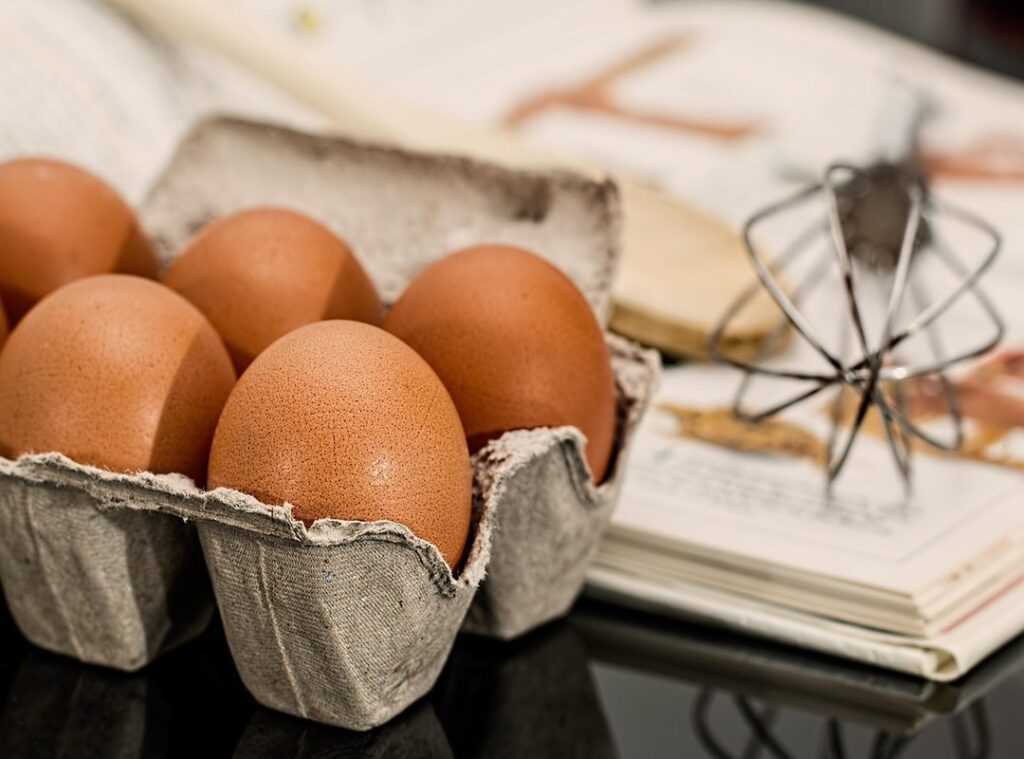
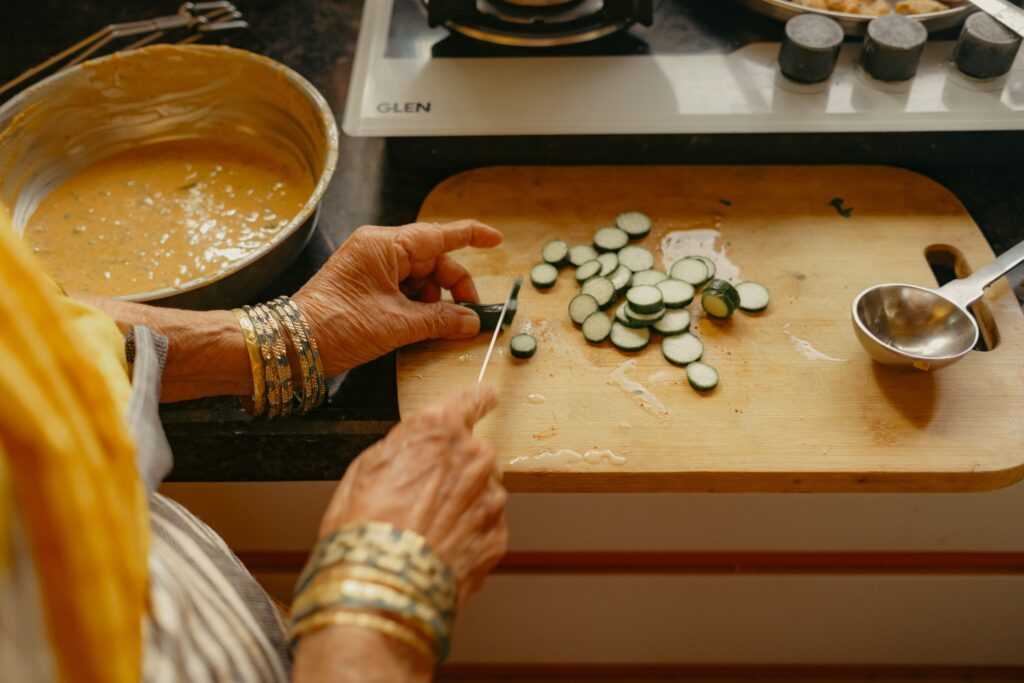
Photos matter, too, but perfection isn’t the point. A glossy product shot can be useful, yet the hands shaping dough or the steam rising from a pot often tell a warmer story. Natural light, a clean background, and a few honest details usually beat a crowded frame full of props. Let the food look delicious, not staged beyond recognition.
Build Trust Before Asking for a Visit
Food is personal. People want to know what they’re eating, who made it, and whether it suits their needs. Be clear about ingredients, allergens, sourcing, and availability. If a dish changes with the season, say so. If you’re testing a new flavor, invite readers to share what they think. Transparency can turn a casual browser into a regular—and it’s more convincing than a stream of hard-sell captions.
Useful content is another way to earn attention. A restaurant might share a practical guide to storing fresh herbs; a spice maker could explain how to toast whole seeds; a recipe creator might show how to rescue a split vinaigrette. These small lessons help people at home while introducing them to your point of view. They also give other food writers and local publications a reason to mention your work.
For creators looking to reach beyond their own channels, guest articles can be a useful part of that effort. A thoughtful piece about preserving summer tomatoes or building a better brunch menu is more valuable than a generic introduction to a brand. Before pitching, read the publication carefully and offer a topic its readers would genuinely use. A directory of guest-posting opportunities can help you explore possible outlets, but each site still deserves a personal check for relevance, editorial quality, and audience fit.
Make Promotion Manageable
Marketing can easily swallow the hours meant for cooking, serving, or planning the next menu. Choose a few channels you can maintain rather than opening accounts everywhere. For many food businesses, that might mean an up-to-date website, one social platform where customers are active, and an email list for news people have asked to receive.
Plan around the rhythm of the kitchen. A monthly calendar could include seasonal menu updates, a behind-the-scenes post, one useful cooking tip, and a reminder about ordering or reservations. Batch photographs when the light is good and save customer questions that could become future posts. A simple routine makes promotion less frantic—and leaves room for the unexpected special that deserves a last-minute announcement.
Some tasks are worth handing off. A freelance photographer can refresh product images; a designer can make packaging easier to read; a marketing specialist can help assess where a small paid campaign might be useful. If advertising is on the table, first decide what success means: online orders, reservation inquiries, or more people discovering a new location. Then estimate a sensible budget. Osdire’s guide to Google Ads freelancer costs can help you understand the different expenses to consider before committing money to a campaign.
Keep the Feedback Loop Open
Promotion shouldn’t be a one-way announcement. Ask customers what they enjoyed, pay attention to the dishes they reorder, and notice which posts lead to real questions or visits. Numbers can offer clues, but a conversation at the counter is data, too. If people repeatedly ask whether a sauce is available to take home, that may be a product idea—not just a social-media prompt.
And remember, a modest audience of people who care is more useful than a large following that never acts. Reply to thoughtful comments, thank local partners, and give loyal customers a reason to hear from you again. The best marketing for a food business feels like hospitality: attentive, specific, and generous without demanding attention.
Let Good Food Travel Further
Your food remains the heart of the business. Promotion simply helps its story reach the right people. Start with a clear point of view, share information that helps your audience, and choose a manageable way to stay in touch. Try one new idea this month—a useful article, a better product photo, or a small test of paid advertising—and notice what resonates. Build from there. With a little consistency, the work you do in the kitchen can find its way to more tables.
 Founder & Culinary Innovation Director
Ask Syldric Rendall how they got into meal prep hacks and you'll probably get a longer answer than you expected. The short version: Syldric started doing it, got genuinely hooked, and at some point realized they had accumulated enough hard-won knowledge that it would be a waste not to share it. So they started writing.
What makes Syldric worth reading is that they skips the obvious stuff. Nobody needs another surface-level take on Meal Prep Hacks, Flavor Fusion Concepts, Culinary Buzz. What readers actually want is the nuance — the part that only becomes clear after you've made a few mistakes and figured out why. That's the territory Syldric operates in. The writing is direct, occasionally blunt, and always built around what's actually true rather than what sounds good in an article. They has little patience for filler, which means they's pieces tend to be denser with real information than the average post on the same subject.
Syldric doesn't write to impress anyone. They writes because they has things to say that they genuinely thinks people should hear. That motivation — basic as it sounds — produces something noticeably different from content written for clicks or word count. Readers pick up on it. The comments on Syldric's work tend to reflect that.