I walk into homes all the time that feel like they could belong to anyone.
You know the look. The same mass-produced prints from big box stores. The identical throw pillows everyone has. Decor that says nothing about who actually lives there.
Your space should feel like yours. Not like a showroom.
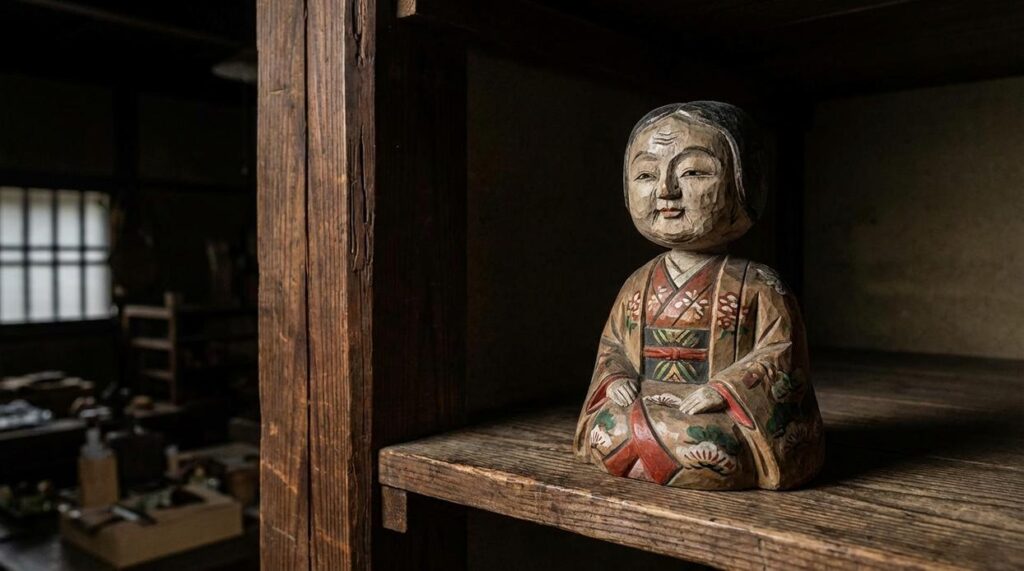
Here’s what I’ve learned after years of studying how people create homes with real character: handmade pieces change everything. Not because they’re trendy. Because they have a story.
I’ve spent months researching the artisan market and talking to makers who actually craft these pieces. I’ve looked at what separates decor that adds personality from stuff that just takes up space.
This guide will show you how to find handmade items that fit your style. I’ll walk you through different materials, what to look for in quality craftsmanship, and where to actually find these pieces (without getting overwhelmed).
We’ll cover concrete ideas you can use right away. Not vague advice about “adding character.”
You’ll learn how to spot the difference between something truly handmade and something pretending to be. And how to choose pieces that work together without looking like you tried too hard.
Your home can feel genuine. Let me show you how.
The Soul of a Home: Why Handmade Decor Matters
Walk into any big box store and you’ll see it.
Row after row of identical vases. The same prints in different sizes. Mass-produced pieces that show up in a million homes across the country.
Now picture something different.
A ceramic bowl with slight variations in the glaze. A woven wall hanging where you can see the maker’s hand in every knot. Pieces that feel alive.
That’s the difference between factory-made and handmade.
Mass-produced decor gives you consistency. Everything matches perfectly. No surprises. And if something breaks, you can replace it easily.
But here’s what you lose.
You lose the story. The connection. That feeling when you touch something and know a real person shaped it with their hands.
I started kayudapu because I believe in the power of craft. Not just in food, but in everything we bring into our spaces.
Handmade pieces carry weight that factory goods can’t touch.
Those small imperfections? They’re not flaws. They’re proof that someone cared enough to make something by hand. Each piece becomes one of a kind.
When you buy from independent creators, you’re doing more than decorating. You’re keeping traditional skills alive. Supporting someone’s ability to make a living from their craft.
The materials matter too.
Artisans typically use better quality supplies. They’re not cutting corners to hit a price point for shareholders. They’re choosing materials that’ll last.
Your home deserves pieces with soul.
Woven Wonders: Unique Textile Decor Ideas
Your walls don’t need another mass-produced print.
What they need is texture. Something you can actually feel when you walk past it.
I started noticing this shift a few years back. People were getting tired of the same flat art everyone else had. They wanted pieces that told a story.
Some designers say textiles are too busy for modern spaces. They argue that clean lines and minimal decor should always win. And sure, there’s a place for that aesthetic.
But here’s what they’re missing.
Textile decor adds warmth that paint and prints just can’t match. It softens hard edges and makes a room feel lived in without looking cluttered.
Let me show you what I mean.
1. Macramé wall hangings have come a long way from your grandmother’s plant hangers (though those are back too). The new pieces range from geometric statement walls to delicate corner accents. You get instant visual interest plus that handmade quality that makes guests ask where you found it.
2. Hand-dyed throw blankets and pillows give you patterns nobody else will have. Techniques like shibori or ice dyeing create colors that shift and blend in ways factories can’t replicate. Toss one over your couch and suddenly the whole room has a focal point.
3. Embroidered art isn’t your typical cross-stitch anymore. Artists are creating dimensional pieces in hoops that look more like paintings than craft projects. The best part? The texture catches light differently throughout the day.
4. Artisan rugs and tapestries anchor a space like nothing else can. A hand-woven piece grounds your furniture and pulls colors together while adding that tactile element underfoot.
At Kayudapu, I’ve learned that the best spaces mix textures the way good food mixes flavors.
You wouldn’t eat the same thing every day. Why look at the same flat surfaces?
Earth & Fire: Discovering One-of-a-Kind Ceramics

You walk into someone’s home and there’s this vase on the table.
Not just any vase. Something that makes you stop and actually look at it.
That’s what sculptural ceramics do. They don’t need flowers to justify their existence. They stand alone as art pieces that happen to hold water if you want them to.
Some people say handmade ceramics are overpriced. Why spend $60 on a mug when you can grab one for $8 at the store?
Fair point. But here’s what changes when you hold a hand-thrown piece.
The weight feels different in your hands. There’s a texture to the glaze that machine-made stuff just doesn’t have. And honestly, drinking coffee from a mug that someone actually shaped on a wheel? It turns your morning routine into something worth paying attention to.
I started noticing this with planters first. You can stick a pothos in any container and it’ll grow. But put it in a handmade ceramic planter and suddenly that basic houseplant becomes the focal point of your shelf.
Now, not all ceramics are created equal.
When you’re shopping (whether at a local market or checking Can I Take Food Kayudapu on a Plane for travel-friendly pieces), flip the piece over. Quality ceramics have some heft to them. The glaze should feel smooth but not plasticky. And look for a maker’s mark on the bottom.
That little stamp or signature tells you someone put their name on their work.
Which usually means they care about what they’re making.
Natural Forms: Decor from Wood, Metal, and Stone
Some people think natural materials are too rustic for modern spaces.
They see live-edge wood and imagine a cabin in the woods. Hand-forged metal feels too industrial. Stone seems cold and impersonal.
I disagree.
These materials bring something your home probably needs right now. Texture. Real texture you can feel.
Live-Edge Wood Pieces
A live-edge shelf keeps the natural curve of the tree. No two pieces look the same because no two trees grow the same way.
I use live-edge coasters in my kitchen at kayudapu. They’re conversation starters every time someone visits. The wood grain tells a story that machine-cut pieces just can’t match.
Small tables work great as side pieces. The organic edge softens the hard lines of your other furniture.
Hand-Forged Metalwork
Forged metal has character that factory-made stuff lacks. You can see the hammer marks. The slight variations in thickness.
Decorative hooks aren’t just functional. They become small sculptures on your wall. Candle holders catch light differently because the surface isn’t perfectly smooth.
That’s the point though. Perfection is boring.
Carved Stone Objects
Stone feels substantial. A marble bowl or soapstone tray has weight to it. It sits on your table like it belongs there.
Onyx bookends do their job while looking like art. The natural veining in the stone means each piece is one of a kind.
Yes, these materials cost more than mass-produced alternatives. But they last longer and they don’t look like everything else on the market.
How to Source and Commission Your Perfect Piece
You’ve decided you want something handmade for your kitchen or dining space.
Now what?
Finding the right artisan can feel overwhelming. There are thousands of makers out there, and honestly, not all of them are worth your time or money.
Let me walk you through how I actually find pieces worth buying.
Online Marketplaces
Start with Etsy. I know it’s obvious, but there’s a reason it works. Use specific search terms (think “hand-thrown serving bowl” instead of just “bowl”). Check seller reviews and look at how they handle questions in the comments.
Amazon Handmade is hit or miss. You’ll find some gems, but you need to dig deeper into maker profiles to separate true artisans from mass producers gaming the system.
Some people say online shopping for handmade goods is risky because you can’t touch anything first. Fair point. But most quality makers offer detailed photos and measurements that tell you what you need to know.
Local Craft Fairs
Nothing beats seeing a piece in person. You can feel the weight of a ceramic mug or check if that wooden cutting board sits flat on your counter.
Plus, you meet the person who made it. Ask them about their process. If they light up talking about their work, that’s usually a good sign.
Social Media Scouting
Instagram is where I find most emerging makers now. Search hashtags like #handmadeceramics or #woodturning. Look for makers who show their process, not just finished products (it tells you they actually know what they’re doing).
Pinterest works for discovery, but always trace back to the original maker before buying.
Commissioning Work
Want something specific? Reach out directly. Most artisans on kayudapu and similar platforms welcome custom requests.
Keep your initial message simple. Describe what you want, your timeline, and your budget range. Good makers will tell you if they can deliver or not.
Pro tip: Expect to pay 20-30% more for custom work and wait 4-8 weeks minimum.
After you get your piece, you’ll probably wonder how to care for it properly. Different materials need different treatment, and most makers include care instructions but don’t always explain the why behind them.
Curating a Home That Tells Your Story
You walked into another friend’s place and saw the same mass-produced art from that big box store.
The same throw pillows. The same everything.
Your home deserves better than that.
I’m going to show you how handmade decor changes everything. We’re talking textiles, ceramics, and natural materials that actually mean something.
These aren’t just objects you buy and forget about. Each piece carries a story and the mark of someone’s hands.
That generic feeling in your living space? It comes from choosing convenience over character. Handmade items fix that problem immediately.
When you bring these pieces into your home, you’re adding personality that can’t be replicated. You get quality that lasts and a space that feels like you.
Here’s what I want you to do: Pick one category that caught your attention while reading this. Maybe it’s hand-thrown pottery or woven wall hangings.
Start there.
kayudapu connects you with makers who put real craft into their work. Browse that category and find one piece that speaks to you.
Your home should tell your story, not someone else’s.
 Culinary Trends Analyst & Community Engagement Manager
Susan Isaacsiconsany has opinions about culinary buzz. Informed ones, backed by real experience — but opinions nonetheless, and they doesn't try to disguise them as neutral observation. They thinks a lot of what gets written about Culinary Buzz, Flavor Fusion Concepts, Ingredient Spotlight Ideas is either too cautious to be useful or too confident to be credible, and they's work tends to sit deliberately in the space between those two failure modes.
Reading Susan's pieces, you get the sense of someone who has thought about this stuff seriously and arrived at actual conclusions — not just collected a range of perspectives and declined to pick one. That can be uncomfortable when they lands on something you disagree with. It's also why the writing is worth engaging with. Susan isn't interested in telling people what they want to hear. They is interested in telling them what they actually thinks, with enough reasoning behind it that you can push back if you want to. That kind of intellectual honesty is rarer than it should be.
What Susan is best at is the moment when a familiar topic reveals something unexpected — when the conventional wisdom turns out to be slightly off, or when a small shift in framing changes everything. They finds those moments consistently, which is why they's work tends to generate real discussion rather than just passive agreement.
Culinary Trends Analyst & Community Engagement Manager
Susan Isaacsiconsany has opinions about culinary buzz. Informed ones, backed by real experience — but opinions nonetheless, and they doesn't try to disguise them as neutral observation. They thinks a lot of what gets written about Culinary Buzz, Flavor Fusion Concepts, Ingredient Spotlight Ideas is either too cautious to be useful or too confident to be credible, and they's work tends to sit deliberately in the space between those two failure modes.
Reading Susan's pieces, you get the sense of someone who has thought about this stuff seriously and arrived at actual conclusions — not just collected a range of perspectives and declined to pick one. That can be uncomfortable when they lands on something you disagree with. It's also why the writing is worth engaging with. Susan isn't interested in telling people what they want to hear. They is interested in telling them what they actually thinks, with enough reasoning behind it that you can push back if you want to. That kind of intellectual honesty is rarer than it should be.
What Susan is best at is the moment when a familiar topic reveals something unexpected — when the conventional wisdom turns out to be slightly off, or when a small shift in framing changes everything. They finds those moments consistently, which is why they's work tends to generate real discussion rather than just passive agreement.