The crackle of splitting wood. The slow dance of flames. The aroma of smoke weaving itself into every fiber of your food. Cooking over a live fire awakens something primal—something a stainless-steel gas grill simply can’t replicate. Modern outdoor cooking often favors convenience and control, delivering predictable results but stripping away the connection, instinct, and sensory magic of the process. This guide invites you into the open fire cooking revival, where flame becomes your tool and embers your canvas. We’ll move beyond basic grilling to explore the techniques, tools, and mindset needed to confidently harness real fire—and create deeper flavor, richer textures, and unforgettable meals.
The Irresistible Pull of the Flame: More Than Just Heat
There’s a reason food cooked over wood tastes different. It’s not nostalgia—it’s chemistry. When ingredients meet real flame, two key reactions happen: caramelization (the browning of natural sugars) and the Maillard reaction (a chemical reaction between amino acids and sugars that creates complex, savory flavors). Gas grills provide heat, yes—but they don’t deliver the same smoke compounds or radiant intensity that wood does (and your taste buds know it).
Unlocking Flavor Through Fire
To experience this yourself, start simple. Build a two-zone fire: one side with glowing embers for high heat, the other cooler for controlled cooking. Sear thick onion slices directly over flame until charred outside, then move them to indirect heat to soften. The outside blackens; the inside turns silky and sweet. The same method works beautifully for cabbage wedges and bell peppers.
Meanwhile, keep tools minimal—cast iron pans, steel grates, long tongs. No digital dashboards required. This back-to-basics mindset fuels the open fire cooking revival (and honestly, it feels a bit primal in the best way).
Beyond flavor, fire creates community. People naturally gather, talk, and tend the flames together—turning dinner into an event, not just a task. It’s why some of the best ideas rival even the boldest “social media food crazes that actually deserve the hype” (https://kayudapu.com/social-media-food-crazes-that-actually-deserve-the-hype/).
Gearing Up: Your Essential Open-Flame Toolkit
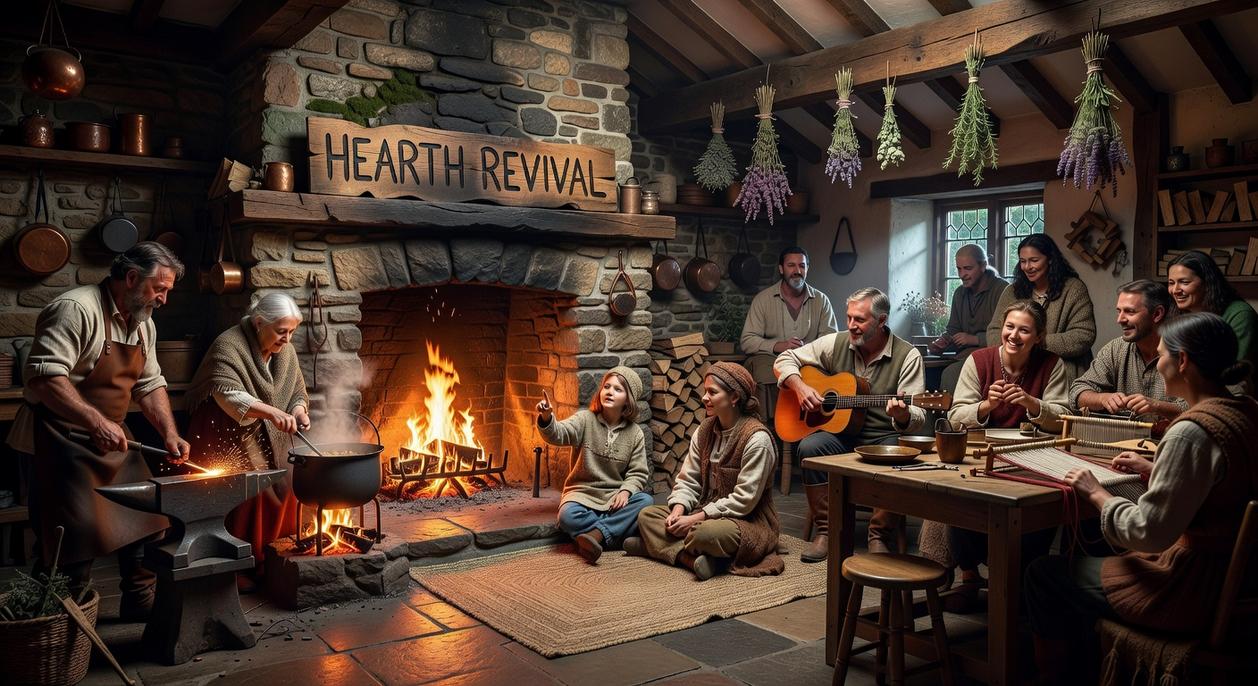
Open-fire cooking isn’t just nostalgia—it’s a craft. As one seasoned pitmaster told me, “Fire doesn’t forgive carelessness, but it rewards patience.” That’s the heart of the open fire cooking revival: intention over convenience.
1. The Heat Source
First, choose your base. In-ground fire pits offer stability and wind protection, but they’re permanent and require strict clearance (at least 10 feet from structures, per NFPA guidelines). Portable steel pits, on the other hand, provide flexibility and better airflow control—though they can tip if poorly placed. Either way, keep a water source or fire extinguisher nearby. “If you don’t have a bucket of water,” a park ranger once warned me, “you’re not ready to light the match.”
2. Core Cooking Vessels
Next comes versatility. A large cast-iron skillet handles everything from blistered vegetables to cornbread (yes, it’s basically the Swiss Army knife of camp cookware). A heavy-duty Dutch oven excels at braises and stews, thanks to its thick walls that retain steady heat. Finally, a freestanding grill grate lets you adjust height and manage flare-ups with precision.
3. Essential Handling Tools
Safety gear is non-negotiable: long-handled tongs for distance, heat-resistant gloves rated for high temps, and a small metal shovel to reposition coals. Pro tip: manage coals, not flames—embers cook more evenly.
4. Fueling the Fire
Hardwoods like oak or hickory burn longer and add flavor compounds (USDA notes hardwood density yields sustained heat). Lump charcoal offers more consistent, controlled heat. As one chef put it, “Wood is romance; charcoal is reliability.” Both have their place.
Three Foundational Fire-Cooking Methods to Master
Cooking over fire isn’t just technique—it’s choreography. Flames are the orchestra, and you’re the conductor (hopefully with fewer dramatic hand gestures). As the open fire cooking revival gains momentum, mastering three foundational methods turns chaos into craft.
1. Ember Roasting
Ember roasting is the oldest trick in the book—placing food directly into glowing coals. Think of the embers as a slow, insulating blanket of heat. Root vegetables like potatoes, onions, and beets thrive here, as does corn in the husk.
How to do it:
- Let your fire burn down to glowing embers (no active flames).
- Brush off excess ash.
- Nestle vegetables directly into the coals.
- Cover lightly with embers.
Cook 20–40 minutes depending on size. To test doneness, pierce with a knife; it should slide in like butter. Some argue wrapping food in foil is safer—and yes, it prevents charring. But direct contact creates a smoky crust you simply can’t fake (that’s flavor chemistry at work).
2. Direct Grilling Over Coals
Here, heat management is everything. Create dual heat zones—a hot zone (dense coals) for searing and a cooler zone (fewer coals) for finishing. It’s like having a stove with two burners.
Sear steaks, chops, or sturdy fish over high heat for a crust, then shift to the cooler side to cook through. Critics say this method risks burning. True—if you ignore the fire. Move food as needed; control beats courage every time.
3. Suspended Cooking
Suspended cooking uses a tripod to hang a Dutch oven or grate above flames. Unlike direct grilling, it relies on radiant heat—ambient warmth circulating evenly, like a convection oven without walls.
Ideal for stews, whole chickens, or large cuts, this method prevents scorching while encouraging slow tenderness. Adjust chain height to regulate heat (pro tip: small adjustments make big differences).
In the end, fire rewards attention. Treat it like a dance partner, not a wild animal, and it will cook beautifully.
As more people embrace the primal appeal of open-fire cooking, it’s the perfect opportunity to explore complementary flavors, like those found in side dishes that pair wonderfully with traditional dishes, such as the delightful recipes featured in ‘Do You Have Any Side Dishes With Poziukri‘.
Your Next Culinary Adventure Starts with a Spark
You came here ready to move beyond the limits of a conventional grill, and now you have the foundation to step confidently into the world of live flames. Cooking with fire isn’t just another technique—it’s an immersive skill that rewards patience, awareness, and intuition with flavors you simply can’t replicate indoors.
The beauty of the open fire cooking revival is that it brings you back to the basics while elevating every bite. The crackle of embers, the aroma of smoke, the caramelization that happens naturally over heat—this is where unforgettable meals begin.
If getting started feels intimidating, keep it simple. Prep foil packets of seasoned vegetables or marinate your meats ahead of time to remove the stress. Then try ember-roasting a few potatoes as your first step.
Don’t let another cookout feel ordinary. Start small, light the fire, and taste the difference for yourself tonight.
 Head of Culinary Content & Research
Adrianestor Beasley has opinions about culinary buzz. Informed ones, backed by real experience — but opinions nonetheless, and they doesn't try to disguise them as neutral observation. They thinks a lot of what gets written about Culinary Buzz, Flavor Fusion Concepts, Ingredient Spotlight Ideas is either too cautious to be useful or too confident to be credible, and they's work tends to sit deliberately in the space between those two failure modes.
Reading Adrianestor's pieces, you get the sense of someone who has thought about this stuff seriously and arrived at actual conclusions — not just collected a range of perspectives and declined to pick one. That can be uncomfortable when they lands on something you disagree with. It's also why the writing is worth engaging with. Adrianestor isn't interested in telling people what they want to hear. They is interested in telling them what they actually thinks, with enough reasoning behind it that you can push back if you want to. That kind of intellectual honesty is rarer than it should be.
What Adrianestor is best at is the moment when a familiar topic reveals something unexpected — when the conventional wisdom turns out to be slightly off, or when a small shift in framing changes everything. They finds those moments consistently, which is why they's work tends to generate real discussion rather than just passive agreement.
Head of Culinary Content & Research
Adrianestor Beasley has opinions about culinary buzz. Informed ones, backed by real experience — but opinions nonetheless, and they doesn't try to disguise them as neutral observation. They thinks a lot of what gets written about Culinary Buzz, Flavor Fusion Concepts, Ingredient Spotlight Ideas is either too cautious to be useful or too confident to be credible, and they's work tends to sit deliberately in the space between those two failure modes.
Reading Adrianestor's pieces, you get the sense of someone who has thought about this stuff seriously and arrived at actual conclusions — not just collected a range of perspectives and declined to pick one. That can be uncomfortable when they lands on something you disagree with. It's also why the writing is worth engaging with. Adrianestor isn't interested in telling people what they want to hear. They is interested in telling them what they actually thinks, with enough reasoning behind it that you can push back if you want to. That kind of intellectual honesty is rarer than it should be.
What Adrianestor is best at is the moment when a familiar topic reveals something unexpected — when the conventional wisdom turns out to be slightly off, or when a small shift in framing changes everything. They finds those moments consistently, which is why they's work tends to generate real discussion rather than just passive agreement.