If you’ve been searching for bold flavors that break the rules and still taste incredible, you’re in the right place. The rise of asian latin fusion recipes is redefining how home cooks and food lovers think about spice, texture, and balance. From umami-rich marinades with a citrusy kick to smoky heat layered with ginger and soy, this culinary crossover delivers complexity without unnecessary complication.
This article dives into the techniques, ingredients, and flavor pairings that make these dishes work. You’ll discover how fermentation deepens flavor, how staple pantry items can transform everyday meals, and how simple prep hacks can help you recreate restaurant-quality fusion at home.
Our insights are grounded in hands-on recipe testing, careful study of traditional cooking methods, and ongoing exploration of emerging culinary trends. Whether you’re experimenting with weeknight dinners or crafting a standout dish for guests, you’ll gain practical, trustworthy guidance to confidently explore this exciting flavor frontier.
The Delicious Crossroads of Soy and Cilantro
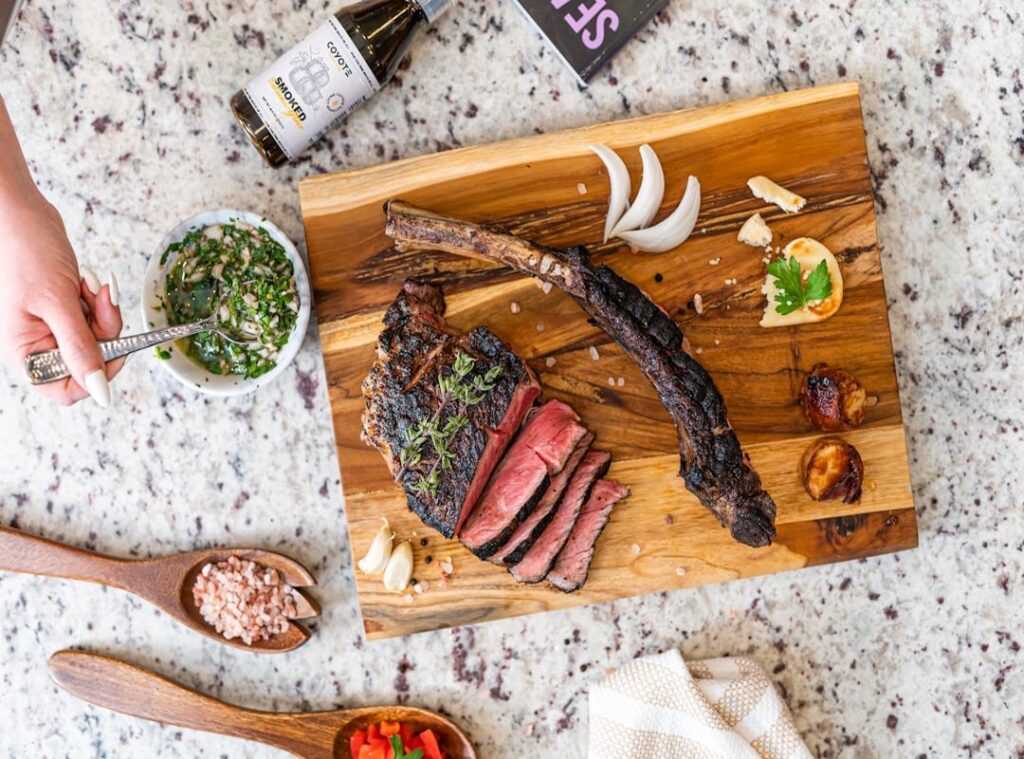
Soy sauce and cilantro sound like culinary opposites, yet together they create a spark I find addictive. This is where umami meets brightness. Umami— the savory depth found in fermented foods like soy— anchors dishes, while cilantro adds citrusy lift. Skeptics argue the flavors clash, that tacos and stir-fries should stay in their lanes. I disagree. Think bulgogi tacos or miso-lime ceviche (yes, really). The shared flavor DNA is salt, acid, and heat. Start with asian latin fusion recipes like soy-marinated carne asada with chimichurri. Pro tip: balance salt before adding spice. Experiment.
Building the Flavor Bridge: Why This Fusion Works
Shared principles matter. Both Asian and Latin cuisines obsess over balance—layering umami (the deep, savory taste found in fermented or aged foods), acidity, heat, and fresh herbs. In practice, that means soy sauce and lime juice play similar roles. Soy sauce, brewed through fermentation, amplifies savoriness, while lime cuts richness with brightness. Together, they deepen and lift—like turning up the bass and treble on the same track.
Meanwhile, spice builds personality. Aji amarillo brings fruity warmth; gochujang, a fermented chili paste, adds sweet, funky heat. Fresh cilantro, mint, and shiso sweep in with herbaceous lift, preventing flavors from feeling heavy.
Consider carnitas: slow-braised pork rich with fat and salt. Add kimchi’s fermented tang, and suddenly the dish snaps into focus—like the Ratatouille flashback moment, but with more fire. That’s the magic behind asian latin fusion recipes: contrast creating harmony. Perfect balance.
Your Fusion Pantry: Essential Ingredient Pairings
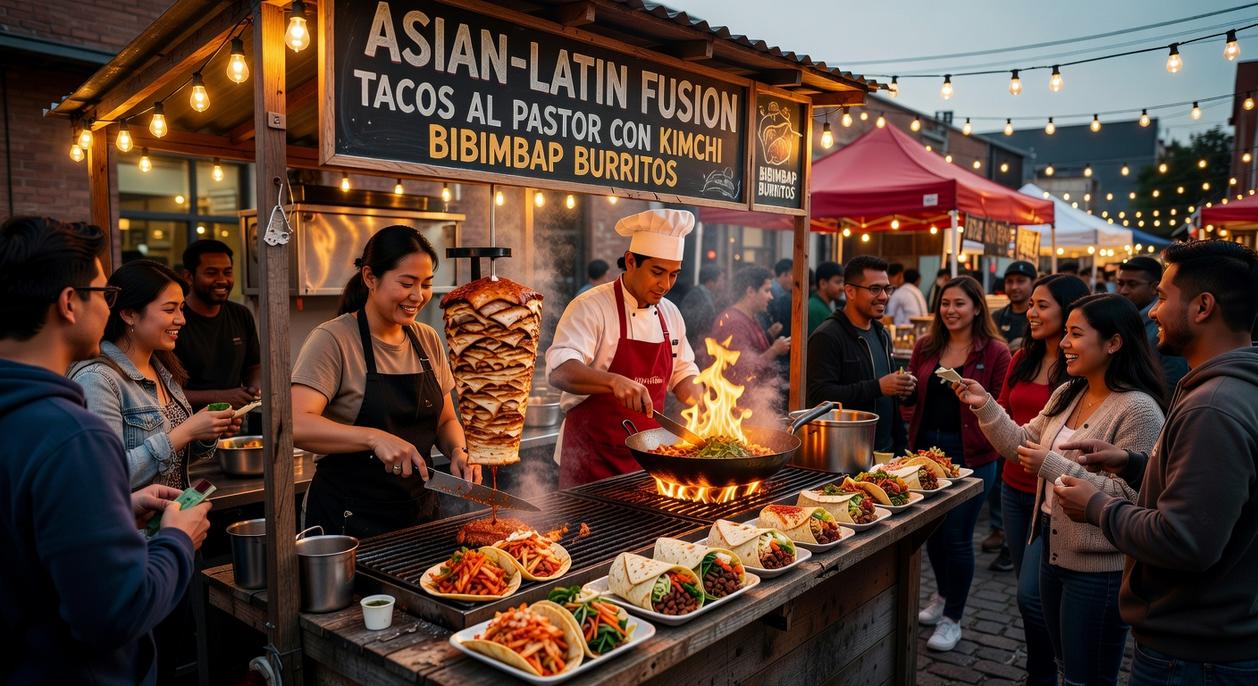
A well-built fusion pantry starts with understanding how ingredients talk to each other. In asian latin fusion recipes, balance is everything (too much of one voice and the band falls apart).
Sauces & Pastes
Gochujang (a Korean fermented chili paste) brings heat and sweetness that melts beautifully into smoky adobo sauce. Miso, a fermented soybean paste, deepens achiote marinades with savory richness. Try this:
- Whisk 1 tablespoon miso with 1 teaspoon soy sauce and orange juice.
- Rub onto chicken with achiote paste.
- Roast until caramelized.
Fish sauce plus chipotle creates an umami bomb—think of it as the backstage crew making flavors louder (quietly).
Acids & Fats
Rice vinegar and yuzu offer bright, sharp acidity, while lime and orange juice add tropical warmth. Sesame oil’s nuttiness contrasts beautifully with creamy avocado or even lard in tamales. Pro tip: Add acid last to control brightness.
Aromatics & Spices
Ginger, garlic, and scallions build a fragrant base. Layer in cumin, coriander, and oregano for earthy depth—like a culinary crossover episode that actually works.
Produce
Cilantro, mangoes, avocados, and chilies bridge both regions effortlessly. For more inspiration, explore unexpected sweet and savory pairings that actually work.
Three Must-Try Asian-Latin Fusion Recipes
Asian-Latin fusion isn’t just a trend—it’s a technique-driven approach that layers umami-rich depth with bright, punchy heat. At its core, fusion cooking blends culinary traditions to create something new while respecting foundational flavors. Think soy sauce meeting citrusy leche de tigre, or miso folding into smoky adobo. The result? Dishes that taste both familiar and thrillingly unexpected.
Below are three standout recipes that showcase how asian latin fusion recipes deliver bold flavor and practical versatility.
1. Miso-Glazed Carnitas Tacos
Carnitas, traditionally slow-braised pork, become even more complex with a white miso and orange zest glaze. Miso—a fermented soybean paste known for its savory umami—adds depth without overpowering the citrus and cumin.
First, braise pork shoulder with garlic, bay leaves, and a splash of rice vinegar. Then, reduce the cooking liquid with miso and brush it over shredded pork before crisping under high heat. The benefit? You get caramelized edges with layered savoriness in every bite. Top with pickled daikon and cilantro for crunch and acidity.
(Pro tip: Broil on a sheet pan rather than pan-frying; you’ll get crisp texture with less oil.)
2. Achiote Teriyaki Salmon with Coconut Rice
Next, consider salmon lacquered in a blend of achiote paste and teriyaki sauce. Achiote, made from annatto seeds, delivers earthy pepper notes and vibrant color. Combined with soy sauce, mirin, and brown sugar, it forms a glossy glaze that balances sweet, salty, and smoky.
Bake at high heat for a lightly charred exterior while keeping the center tender. Serve over coconut jasmine rice for subtle sweetness that tempers the glaze’s intensity. It’s weeknight-friendly yet dinner-party worthy (the kind of dish that disappears faster than you can say “umami”).
3. Kimchi Elote
Finally, street corn gets a fermented upgrade. Elote—grilled corn coated in crema and chili powder—pairs surprisingly well with chopped kimchi. Fermentation adds tang and probiotics, while cotija cheese keeps the dish grounded in Mexican tradition.
Grill corn until blistered, spread with lime crema, sprinkle with kimchi, cotija, and furikake. The payoff is textural contrast and a layered heat that builds gradually.
Some purists argue fusion muddies authenticity. However, thoughtful technique preserves cultural roots while expanding flavor possibilities. When done intentionally, fusion isn’t confusion—it’s culinary evolution on a plate.
Great fusion starts with structure. The Master Marinade formula—soy sauce, lime juice, grated ginger, cumin, and sesame oil—balances salt, acid, heat, and fat. That balance matters: research shows salt and acid together enhance perceived flavor intensity (Journal of Food Science, 2010). Use it on chicken, beef, or tofu for reliable results.
Meanwhile, fermented boosts like kimchi, miso, or quick-pickled jalapeños add glutamates, the compounds behind umami depth (Harvard T.H. Chan School of Public Health). Batch-cook adobo glaze or carnitas, then rotate through tacos, bowls, and sandwiches—exactly how asian latin fusion recipes streamline weekly meal prep. Pro tip: marinate overnight longer.
Flavor fusion works when you balance savory, sour, spicy, and fresh elements in every bite. Savory means deep, umami richness (think soy sauce or roasted meats), while fresh signals bright herbs and citrus that wake everything up. In other words, harmony beats heat for heat’s sake.
If you’ve felt intimidated, relax. You don’t need a passport or a culinary degree. Start with one of the asian latin fusion recipes this week. Then, once you’re comfortable, use the master marinade template to riff on your own creations. After all, your kitchen isn’t a lab—unless you want it to be. Pro tip.
Bring Bold Flavor to Your Kitchen Today
You came here looking for fresh inspiration—new ways to combine cultures, experiment with flavor, and elevate your everyday cooking. Now you’ve seen how creative techniques, smart ingredient pairings, and thoughtful preparation can transform simple meals into unforgettable experiences.
If you’ve ever felt stuck making the same dishes on repeat, or unsure how to confidently blend spices, sauces, and traditions, you’re not alone. Cooking should feel exciting, not repetitive. The beauty of asian latin fusion recipes is that they break the rules in the best way—balancing heat, acidity, umami, and freshness into something completely unique.
Now it’s your turn to put this into action. Start with one fusion technique this week. Experiment with a new marinade, try a fermentation twist, or build a meal prep plan around bold cross-cultural flavors.
Ready to stop cooking predictable meals and start creating unforgettable ones? Explore more flavor-forward ideas, test a new fusion dish tonight, and turn your kitchen into a playground of global taste. Your next signature dish is just one bold combination away.
 Head of Culinary Content & Research
Adrianestor Beasley has opinions about culinary buzz. Informed ones, backed by real experience — but opinions nonetheless, and they doesn't try to disguise them as neutral observation. They thinks a lot of what gets written about Culinary Buzz, Flavor Fusion Concepts, Ingredient Spotlight Ideas is either too cautious to be useful or too confident to be credible, and they's work tends to sit deliberately in the space between those two failure modes.
Reading Adrianestor's pieces, you get the sense of someone who has thought about this stuff seriously and arrived at actual conclusions — not just collected a range of perspectives and declined to pick one. That can be uncomfortable when they lands on something you disagree with. It's also why the writing is worth engaging with. Adrianestor isn't interested in telling people what they want to hear. They is interested in telling them what they actually thinks, with enough reasoning behind it that you can push back if you want to. That kind of intellectual honesty is rarer than it should be.
What Adrianestor is best at is the moment when a familiar topic reveals something unexpected — when the conventional wisdom turns out to be slightly off, or when a small shift in framing changes everything. They finds those moments consistently, which is why they's work tends to generate real discussion rather than just passive agreement.
Head of Culinary Content & Research
Adrianestor Beasley has opinions about culinary buzz. Informed ones, backed by real experience — but opinions nonetheless, and they doesn't try to disguise them as neutral observation. They thinks a lot of what gets written about Culinary Buzz, Flavor Fusion Concepts, Ingredient Spotlight Ideas is either too cautious to be useful or too confident to be credible, and they's work tends to sit deliberately in the space between those two failure modes.
Reading Adrianestor's pieces, you get the sense of someone who has thought about this stuff seriously and arrived at actual conclusions — not just collected a range of perspectives and declined to pick one. That can be uncomfortable when they lands on something you disagree with. It's also why the writing is worth engaging with. Adrianestor isn't interested in telling people what they want to hear. They is interested in telling them what they actually thinks, with enough reasoning behind it that you can push back if you want to. That kind of intellectual honesty is rarer than it should be.
What Adrianestor is best at is the moment when a familiar topic reveals something unexpected — when the conventional wisdom turns out to be slightly off, or when a small shift in framing changes everything. They finds those moments consistently, which is why they's work tends to generate real discussion rather than just passive agreement.