
Craving fresh ideas that bring bold flavor to your kitchen? This article dives into the culinary buzz shaping today’s plates — from inventive flavor fusion concepts and standout ingredient spotlights to hands-on fermentation techniques and practical meal prep hacks you can actually use. Whether you’re experimenting at home or drawing inspiration from urban street food culture, you’ll find insights that turn everyday cooking into something memorable.
We’ve analyzed emerging food trends, tested flavor pairings, and explored time-honored preservation methods to give you guidance that’s both creative and reliable. Instead of vague inspiration, you’ll get clear explanations, real-world applications, and ideas rooted in culinary research and practical kitchen experience.
If you’re looking to understand what’s trending, why certain flavors work together, and how to elevate your meals without overcomplicating the process, this guide delivers exactly that — actionable, flavor-forward knowledge you can put to work right away.
Ingredient Spotlight – The Meat
At the heart of a perfect taco al pastor is pork shoulder—specifically, well-marbled cuts that can withstand high heat without drying out. Pork shoulder contains enough intramuscular fat to baste itself as it cooks, which research from the National Pork Board shows helps maintain tenderness during extended roasting. Traditionally stacked onto a vertical rotisserie known as a trompo (Spanish for “spinning top”), the meat rotates slowly, self-basting while caramelizing on the outside. That signature char isn’t cosmetic; it’s the Maillard reaction in action, a chemical process that intensifies savory flavor when proteins and sugars meet heat.
Flavor Deconstruction – The Marinade
Equally critical is the adobo marinade. Guajillo and ancho chiles provide layered heat—guajillo for brightness, ancho for depth. Pineapple and vinegar introduce acidity, which food science confirms helps denature proteins, tenderizing the pork before it ever hits the flame. Achiote contributes earthy color and mild bitterness, while cumin anchors the spice profile. Some argue pineapple makes it too sweet. However, sensory studies show balanced sweet-acid contrast heightens perceived savoriness, not sugariness.
The Finishing Touches
Then come the garnishes: diced onion, cilantro, lime, and that iconic pineapple sliver. These aren’t decorative. Fresh acidity and crunch counterbalance the pork’s richness, creating contrast—a principle chefs rely on across cuisines. Remove them, and the taco tastes flat (like muting the treble on your favorite song).
Technique in Action
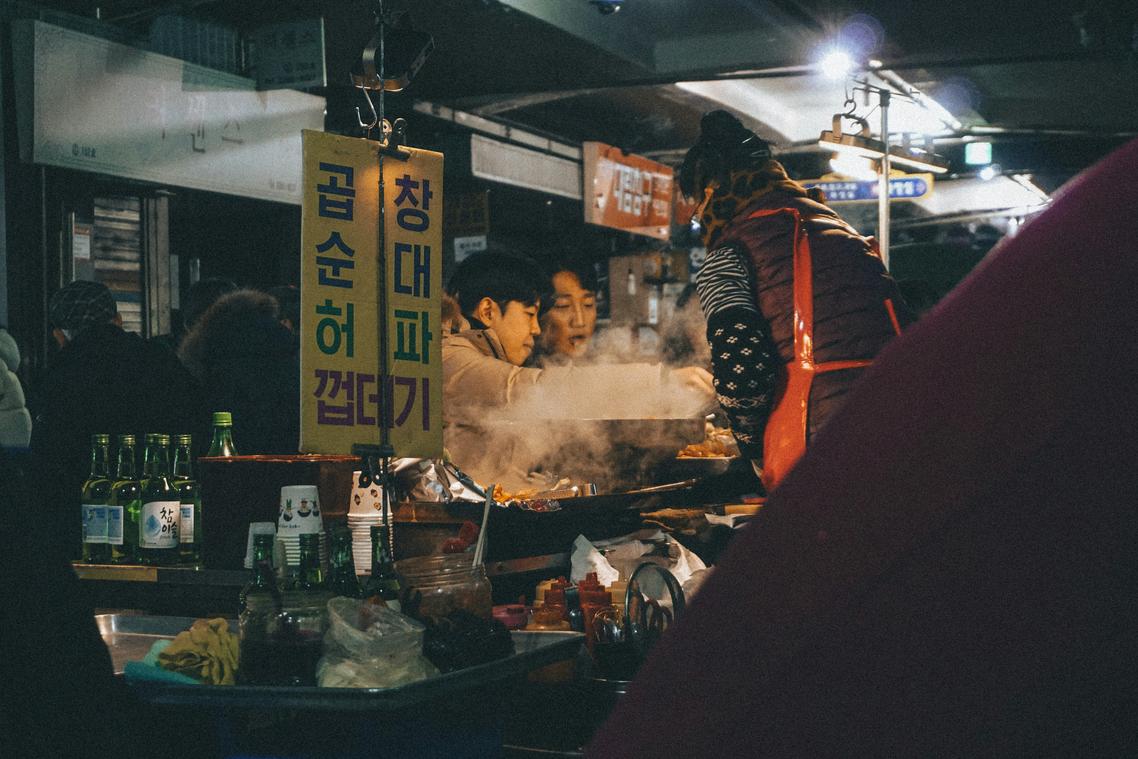
For contrast, consider Japanese takoyaki. Batter viscosity determines texture; too thin, and it collapses, too thick, and it turns dense. Like al pastor’s trompo, its specialized pan ensures even cooking. Different cultures, same truth: technique shapes flavor.
The Crossroads of Cuisine: How Flavor Fusion is Redefining the Street
Flavor fusion, in the context of street food, isn’t culinary chaos. It’s the deliberate blending of distinct culinary traditions to create something cohesive and craveable. Instead of tossing ingredients together and hoping for the best, thoughtful fusion respects technique, balance, and cultural roots. The payoff for you? Bigger, bolder flavors—and a deeper appreciation for how global cuisines can complement each other.
Take kimchi fries. At first glance, Korean fermented cabbage on top of French fries sounds like a late-night dare. However, the fermented tang and heat of kimchi cut through the richness of fried potatoes, while creamy gochujang aioli (a chili paste–based sauce) smooths everything out. The result is balanced—salty, sour, spicy, creamy—and wildly addictive. You get comfort food with complexity (basically fries that went to culinary grad school).
Then there’s the naan-taco. Vendors swap tortillas for soft, blistered naan and fill them with tandoori chicken or paneer. Structurally, it mirrors a taco. Flavor-wise, it leans South Asian. This format-meets-flavor crossover thrives in urban street food culture because it’s portable, familiar, and exciting at the same time. For you, that means less guesswork and more delicious risk-taking.
So how can you spot successful fusions?
- Balanced flavor profiles (sweet, sour, salty, savory, heat)
- Complementary textures (crunchy + creamy, soft + crisp)
- Clear culinary intention, not gimmicks
- Respect for core techniques from each cuisine
Pro tip: If every ingredient serves a purpose, you’re likely tasting fusion done right. And when it works, you don’t just eat—you experience something entirely new.
The Power of the Pickle: Fermentation as a Street Food Superpower
Ever bite into a street taco or sandwich and think, “Why does this taste flat?” Nine times out of ten, it’s missing acid. It’s missing crunch. It’s missing fermentation.
Fermentation—a natural process where microbes like bacteria and yeast convert sugars into acids—does more than preserve food. For vendors working tight margins, it’s a low-cost flavor bomb. A jar of pickled vegetables can transform rice, bread, or grilled meat into something craveable (and memorable).
Look around global stalls and you’ll see it everywhere:
- Pickled daikon and carrots cutting through rich pâté in a Vietnamese bánh mì
- Sour cabbage piled onto a bratwurst roll in Germany
- Spicy curtido brightening Salvadoran pupusas
In urban street food culture, fermentation is the quiet hero. It delivers acidity and umami (that deep, savory taste often linked to aged or fermented foods) without expensive ingredients.
Some argue fermentation is just trendy wellness hype. Sure, not every pickle is probiotic. But traditionally fermented foods can support gut health, aligning with modern interest in the rise of plant forward menus in contemporary cuisine (Harvard Health, 2021).
The real magic? Balance. Fatty meats, fried dough, creamy sauces—they beg for a sharp counterpoint. A spoonful of something sour can elevate an entire dish from heavy to addictive. And once you notice it, you can’t un-taste it.
Street Smarts for the Home Kitchen: Meal Prep Hacks from the Pros
Pros swear by mise en place—a French term meaning “everything in its place.” In urban street food culture, vendors prep proteins, chop vegetables, and mix sauces separately for lightning-fast assembly. At home, compare Option A: cooking one recipe nightly (time drain) vs. Option B: batch-grilling chicken, roasting veggies, and portioning grains on Sunday (weeknight win). The difference is stress vs. flow.
Next, build a universal crema: 1 cup yogurt or mayo, 1 tbsp lime juice, pinch salt. Then customize—add herbs, smoked paprika, or chili oil.
Finally, create a garnish station—scallions, toasted nuts, pickles—for instant texture upgrades.
Where Flavor Meets Your Next Move
You came here to explore the culinary buzz, discover bold flavor fusions, and better understand the techniques shaping today’s kitchens — and now you have the insights to make it happen. From smarter meal prep hacks to fermentation techniques that elevate depth and complexity, you’re equipped to turn inspiration into something tangible on your plate.
The real frustration isn’t a lack of ideas. It’s cooking the same safe meals, missing out on exciting combinations, and feeling disconnected from the energy driving urban street food culture. When your food feels routine, your creativity stalls.
Now is the time to experiment. Try one new fusion concept this week. Test a fermentation method you’ve been curious about. Upgrade your ingredient game and build meals that actually excite you.
If you’re ready to break out of bland and cook with confidence, dive deeper into our flavor guides and meal prep strategies. Join thousands of food lovers who trust our insights to level up their kitchen game — and start creating dishes that taste as bold as your ambition.
 Founder & Culinary Innovation Director
Ask Syldric Rendall how they got into meal prep hacks and you'll probably get a longer answer than you expected. The short version: Syldric started doing it, got genuinely hooked, and at some point realized they had accumulated enough hard-won knowledge that it would be a waste not to share it. So they started writing.
What makes Syldric worth reading is that they skips the obvious stuff. Nobody needs another surface-level take on Meal Prep Hacks, Flavor Fusion Concepts, Culinary Buzz. What readers actually want is the nuance — the part that only becomes clear after you've made a few mistakes and figured out why. That's the territory Syldric operates in. The writing is direct, occasionally blunt, and always built around what's actually true rather than what sounds good in an article. They has little patience for filler, which means they's pieces tend to be denser with real information than the average post on the same subject.
Syldric doesn't write to impress anyone. They writes because they has things to say that they genuinely thinks people should hear. That motivation — basic as it sounds — produces something noticeably different from content written for clicks or word count. Readers pick up on it. The comments on Syldric's work tend to reflect that.
Founder & Culinary Innovation Director
Ask Syldric Rendall how they got into meal prep hacks and you'll probably get a longer answer than you expected. The short version: Syldric started doing it, got genuinely hooked, and at some point realized they had accumulated enough hard-won knowledge that it would be a waste not to share it. So they started writing.
What makes Syldric worth reading is that they skips the obvious stuff. Nobody needs another surface-level take on Meal Prep Hacks, Flavor Fusion Concepts, Culinary Buzz. What readers actually want is the nuance — the part that only becomes clear after you've made a few mistakes and figured out why. That's the territory Syldric operates in. The writing is direct, occasionally blunt, and always built around what's actually true rather than what sounds good in an article. They has little patience for filler, which means they's pieces tend to be denser with real information than the average post on the same subject.
Syldric doesn't write to impress anyone. They writes because they has things to say that they genuinely thinks people should hear. That motivation — basic as it sounds — produces something noticeably different from content written for clicks or word count. Readers pick up on it. The comments on Syldric's work tend to reflect that.