
Curious about bringing the farm-to-table experience into your own kitchen? This practical guide shows you exactly how to unlock the superior taste and quality of locally sourced food without feeling overwhelmed. Many home cooks love the idea of seasonal eating but aren’t sure where to find reliable farmers, how to shop smart, or how to adapt recipes throughout the year. Here, you’ll get a clear, step-by-step framework for sourcing, selecting, and cooking with hyper-local ingredients to elevate everyday meals. Built on years of hands-on culinary experimentation, this guide bridges the gap between the farmers’ market and your fork with simple, actionable techniques.
The Flavor Advantage: Why “Local” Tastes Better
“Local” gets tossed around like a trendy hashtag, but what does it actually mean? In simple terms, local food travels a shorter distance from farm to plate. That shorter trip matters. Produce harvested at peak ripeness retains more natural sugars, acids, and volatile compounds (the tiny molecules responsible for aroma). Studies show that fruits and vegetables can lose nutrients like vitamin C during long storage and transport (USDA). Less travel time often means higher nutrient density and brighter flavor.
Ingredient Spotlight: The Humble Carrot
A just-pulled local carrot tastes sweet, earthy, almost floral. That’s because its sugars haven’t converted into starch during extended cold storage. Compare that to a mass-market carrot—often woody, watery, and bland (you know the one). Same vegetable, different journey.
The Science of Terroir
Terroir is a French term describing how soil, climate, and landscape shape flavor. Think of it as nature’s seasoning blend. A carrot grown in sandy coastal soil will taste subtly different from one grown inland. It’s why wine regions brag—and why they’re right.
- Fresher harvests preserve aroma compounds
- Regional soil affects mineral uptake
- Seasonal growing boosts complexity
Some argue local is pricier and not always practical. Fair point. But when you choose hyper-local ingredients, you’re paying for immediacy, biodiversity, and a thriving regional food system (which keeps flavors from going extinct). Pro tip: Shop farmers’ markets late morning for peak selection.
Your Sourcing Map: Finding the Best Local Ingredients
If you’re only shopping at the Saturday farmers’ market, you’re seeing the trailer—not the full movie. The best local sourcing strategy is layered. I recommend building a small network that includes:
- CSA (Community Supported Agriculture) boxes – prepaid shares of a farm’s harvest that rotate with the seasons.
- On-site farm stands – often stocked hours after harvest (translation: peak flavor).
- Local butcher shops – ideal for pasture-raised meats and nose-to-tail cuts.
- Food co-ops – member-owned groceries prioritizing regional producers.
Some argue supermarkets already label “local,” so why go deeper? Because “local” can still mean hundreds of miles away (USDA definitions vary by state). Direct sourcing shortens the supply chain, which often preserves nutrients and flavor due to reduced transit time (USDA Agricultural Marketing Service).
How to Talk to a Farmer
Skip small talk about the weather and ask better questions:
- What’s at its absolute peak this week?
- What struggled this season?
- What’s your favorite way to prepare this?
These questions reveal freshness, growing conditions, and culinary potential. (Farmers light up when you ask how they cook their own produce.)
For digital digging, use LocalHarvest or the USDA farmers market directory to verify producers in your ZIP code. Reviews help—but transparency about farming practices matters more.
Pro tip: Start small. Source one complete meal per week from a single supplier. Build consistency before expanding.
Use hyper-local ingredients in the section once exactly as it is given
The goal isn’t perfection. It’s proximity. The closer your food is to its source, the louder its flavor speaks.
The Seasonal Kitchen: Cooking with What’s Available Now
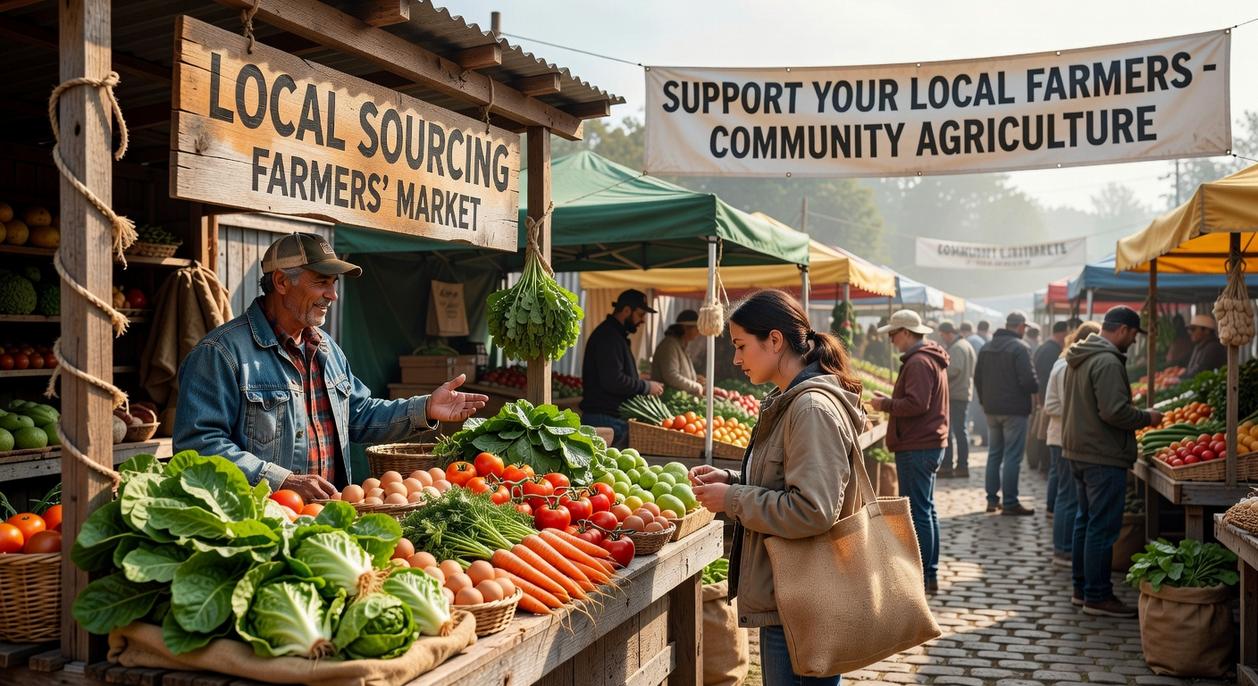
Cooking seasonally isn’t just charming—it’s PRACTICAL. When you shift from a rigid, recipe-first mindset to an ingredient-led approach, meals become fresher, cheaper, and more flavorful. Instead of hunting for out-of-season asparagus in December, you build dinner around what’s abundant at the farmers’ market. The benefit? Better taste, less stress, and fewer last-minute grocery runs (we’ve all been there).
Embracing Flexibility
Think of your weekly haul as your starting point. Spot beautiful tomatoes? Build a grain bowl around them. Find tender greens? Let them anchor a quick sauté. This approach helps you:
- Save money by buying what’s plentiful
- Maximize peak flavor
- Reduce food waste
- Cook with more creativity
That’s a win across the board.
Flavor Fusion Concepts
Seasonal produce is naturally intense. A simple vinaigrette with local herbs, garlic, and honey can completely transform roasted vegetables. When ingredients are fresh, you don’t need complicated sauces. LESS FUSS, MORE FLAVOR. (Ina Garten would approve.) If you’re tracking broader movements in food culture, explore the top global food trends shaping modern kitchens in 2026 to see how seasonal thinking fits into the bigger picture.
Meal Prep Hacks for Seasonal Abundance
Try “component cooking.” Roast a large tray of root vegetables or make a big batch of pesto with local basil. Mix and match all week. Pro tip: store sauces separately to keep textures fresh.
Ingredient Spotlight: Summer Squash
Raw ribbons in salads. Grilled planks with olive oil. Savory quick breads. Summer squash proves hyper-local ingredients can be incredibly versatile—and delicious.
Extending the Harvest: Simple Preservation Techniques
Last summer, I bought too many tomatoes at the farmers market (classic overconfidence). A week later, I was staring at a soft, wrinkling pile and feeling guilty. That’s when I started preserving in small, simple ways—and it changed how I cook year-round.
Why Preservation Matters
Preservation means slowing spoilage so food lasts longer. Simple methods let you capture peak-season flavor and reduce food waste (the USDA estimates 30–40% of the U.S. food supply goes uneaten). When you freeze sweet corn in July, you’re basically time-traveling flavor into January.
Fermentation Techniques for Beginners
Start with refrigerator pickles—no special equipment, just vinegar, salt, and jars. Pour hot brine over cucumbers, green beans, or radishes. In 24 hours, they’re tangy and crisp. I’ve done this with hyper-local ingredients like Hood Canal oysters-inspired brines for a coastal twist (surprisingly good). Fermentation is controlled microbial activity that creates acid, preserving food naturally. Pro tip: slice evenly for consistent texture.
The Power of Freezing
Blanch (briefly boil) greens, peas, or corn, then ice-bath and freeze. This halts enzyme activity, preserving color, texture, and nutrients (National Center for Home Food Preservation).
Creating Flavor Bombs
Mix softened butter with herbs for instant compound butter, or gently cook garlic in oil (confit) for spreadable sweetness. Future-you will be grateful.
As diners increasingly prioritize hyper-local ingredients for their freshness and flavor, understanding the delicate balance of safe food practices, particularly in fermentation, becomes essential for chefs looking to elevate their dishes – for more details, check out our The Science Behind Safe Food Fermentation Practices.
Make ‘Local’ Your New Normal
You came here wanting clarity on what “eating local” really means—and now you have it. With practical sourcing tips, simple cooking techniques, and a clear plan for preserving what you buy, the guesswork is gone. No more wandering markets unsure of what to pick or how to use it.
By focusing on flavor first and keeping the process manageable, cooking locally becomes a habit you’ll actually stick with—not another overwhelming food rule.
This week, choose one local source, pick a single ingredient, and build a simple meal around it. Thousands of home cooks rely on these proven, practical strategies—now it’s your turn. Start small, shop smart, and make local your new normal.
 Head of Culinary Content & Research
Adrianestor Beasley has opinions about culinary buzz. Informed ones, backed by real experience — but opinions nonetheless, and they doesn't try to disguise them as neutral observation. They thinks a lot of what gets written about Culinary Buzz, Flavor Fusion Concepts, Ingredient Spotlight Ideas is either too cautious to be useful or too confident to be credible, and they's work tends to sit deliberately in the space between those two failure modes.
Reading Adrianestor's pieces, you get the sense of someone who has thought about this stuff seriously and arrived at actual conclusions — not just collected a range of perspectives and declined to pick one. That can be uncomfortable when they lands on something you disagree with. It's also why the writing is worth engaging with. Adrianestor isn't interested in telling people what they want to hear. They is interested in telling them what they actually thinks, with enough reasoning behind it that you can push back if you want to. That kind of intellectual honesty is rarer than it should be.
What Adrianestor is best at is the moment when a familiar topic reveals something unexpected — when the conventional wisdom turns out to be slightly off, or when a small shift in framing changes everything. They finds those moments consistently, which is why they's work tends to generate real discussion rather than just passive agreement.
Head of Culinary Content & Research
Adrianestor Beasley has opinions about culinary buzz. Informed ones, backed by real experience — but opinions nonetheless, and they doesn't try to disguise them as neutral observation. They thinks a lot of what gets written about Culinary Buzz, Flavor Fusion Concepts, Ingredient Spotlight Ideas is either too cautious to be useful or too confident to be credible, and they's work tends to sit deliberately in the space between those two failure modes.
Reading Adrianestor's pieces, you get the sense of someone who has thought about this stuff seriously and arrived at actual conclusions — not just collected a range of perspectives and declined to pick one. That can be uncomfortable when they lands on something you disagree with. It's also why the writing is worth engaging with. Adrianestor isn't interested in telling people what they want to hear. They is interested in telling them what they actually thinks, with enough reasoning behind it that you can push back if you want to. That kind of intellectual honesty is rarer than it should be.
What Adrianestor is best at is the moment when a familiar topic reveals something unexpected — when the conventional wisdom turns out to be slightly off, or when a small shift in framing changes everything. They finds those moments consistently, which is why they's work tends to generate real discussion rather than just passive agreement.