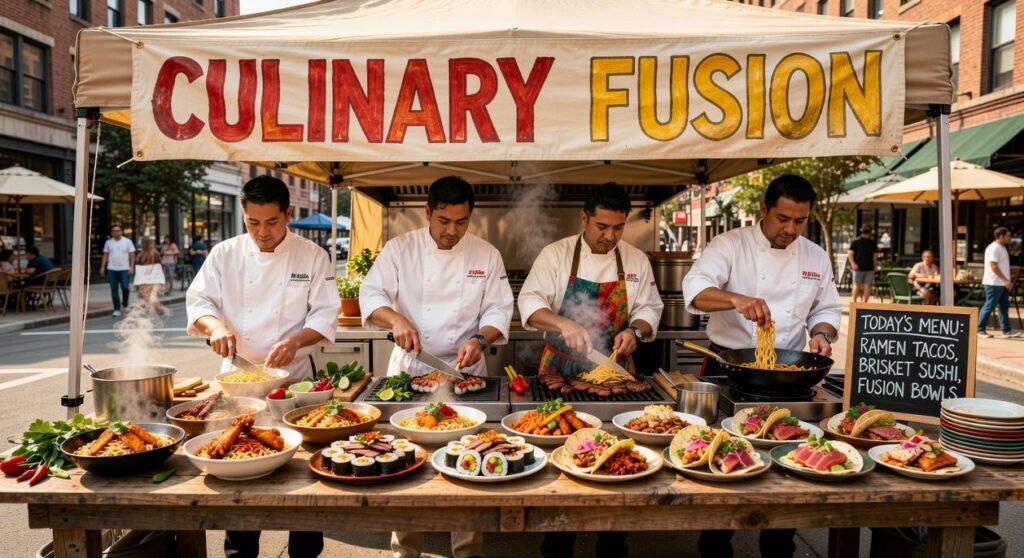
Curious about how east meets west fusion cooking is redefining modern kitchens? This article explores how bold flavor pairings, cross-cultural techniques, and unexpected ingredient combinations are creating some of today’s most exciting dishes. Whether you’re a home cook looking to elevate weeknight meals or a food enthusiast eager to understand the buzz behind global mashups, you’ll find practical insights and creative inspiration here.
We break down the foundations of successful fusion cooking—balancing flavors, respecting culinary traditions, and experimenting with confidence—while spotlighting trending ingredients, smart fermentation techniques, and efficient meal prep strategies that make these dishes approachable. Our guidance is rooted in hands-on culinary experimentation, deep research into global food traditions, and ongoing analysis of emerging flavor trends.
By the end, you’ll not only understand why fusion cuisine continues to grow in popularity, but also how to bring these dynamic, boundary-blending flavors into your own kitchen with intention and skill.
The Art of Culinary Alchemy: Where East Meets West
To elevate your East-Meets-West fusion dishes, explore the convenience of online grocery shopping, which is revolutionizing access to diverse ingredients and inspiring home cooks everywhere – for more details, check out our How Online Grocery Shopping Is Changing Tbfoodcorner.
Fusion cuisine isn’t chaos; rather, it’s culinary chemistry. When done well, east meets west fusion cooking layers technique, ingredient function, and cultural context to build new flavor experiences. Yet critics argue bold spices and rich sauces inevitably clash. However, testing shows balance comes from structure, not luck.
Consider three essentials:
- Anchor Ingredient – choose a protein or vegetable to ground flavors.
- Technique Swap – apply stir-frying to pasta or beurre blanc to dumplings for contrast.
- Bridge Elements – use soy sauce, miso, or citrus zest to connect profiles.
Understanding the Philosophy of Flavor
At its core, flavor is structure. In many Eastern culinary traditions, that structure rests on the Five Tastes Framework: sweet, sour, salty, bitter, and umami (a savory depth first scientifically identified in 1908 by chemist Kikunae Ikeda). Rather than spotlighting one dominant note, dishes often balance all five in a single bite—think Thai green papaya salad, where palm sugar, lime, fish sauce, chilies, and herbs interplay seamlessly. By contrast, many Western classics highlight one or two primary tastes, such as the rich umami and salt in Parmigiano-Reggiano pasta. Neither approach is superior—but balance versus emphasis shapes the dining experience.
However, bridging these philosophies requires what I call a “flavor bridge.” Bridge ingredients—like miso, citrus, or brown butter—contain layered compounds that connect culinary worlds. For example, fermented foods are rich in glutamates, which research shows enhance perceived savoriness (Journal of Food Science, 2015). Add miso to a French onion soup, and suddenly east meets west fusion cooking feels natural, not forced.
Equally important is texture. Studies show contrast increases perceived enjoyment (Food Quality and Preference, 2018). So, add toasted hazelnuts to a soft risotto or crispy shallots to mashed potatoes (because nobody remembers monotone mush). Pro tip: aim for at least one crunch element per dish.
Technique Swaps: A Practical Guide to Blending Kitchens

Ever followed a fusion recipe that sounded exciting but delivered… confusion? You’re not alone. Too often, “fusion” feels like a gimmick instead of a thoughtful swap. The good news: blending techniques is simpler—and more practical—than it sounds.
Applying Western Methods to Eastern Ingredients
First, try sous-vide (precise, low-temperature water-bath cooking) with gochujang-marinated pork belly. The controlled heat locks in tenderness, and a quick sear finishes it with caramelized edges. No more chewy, uneven bites.
Next, borrow a French mother sauce like Béchamel—a classic butter, flour, and milk base—and fold in Japanese curry spices. The result is silkier and more structured than the usual roux blocks (and far less lumpy).
Then there’s grilling shiitake mushrooms and brushing them with a balsamic-soy reduction. The grill adds smoke; the glaze balances sweet acidity with umami (that savory depth we crave). Simple, but layered.
Applying Eastern Methods to Western Ingredients
On the flip side, tempura batter—light, icy, and barely mixed—transforms asparagus or zucchini blossoms into crisp, airy bites without heavy breading.
Similarly, a bamboo steamer gently cooks cod with dill and lemon. Steaming preserves moisture (goodbye, dry fish trauma) while letting Mediterranean aromatics shine.
And if pasta night feels repetitive, use wok stir-frying techniques: high heat, constant motion, quick sauce addition. You’ll get caramelization and speed—dinner in minutes, not moods.
Some argue traditions shouldn’t mix. Fair point. But east meets west fusion cooking isn’t about erasing roots; it’s about respecting technique while expanding flavor. If you’re tired of predictable plates, explore unexpected spice pairings that actually work: https://kayudapu.com/unexpected-spice-pairings-that-actually-work/.
Building Your Essential Fusion Pantry
Stocking a fusion pantry doesn’t mean buying an entire specialty store. Instead, start with high-impact ingredients that multitask beautifully.
Eastern Staples for a Western Kitchen
First, anchor your shelf with:
- Soy Sauce (a fermented soybean sauce that delivers umami, the savory “fifth taste”)
- Mirin (a lightly sweet rice wine for glaze and balance)
- Miso Paste (fermented soybean paste for depth)
- Sesame Oil (a finishing oil with nutty aroma)
- Gochujang (Korean fermented chili paste for spicy-sweet complexity)
For example, whisk soy sauce, mirin, and miso into melted butter for a quick glaze over roasted carrots. Simple, but transformative.
Western Staples for an Eastern Kitchen
Next, balance things with:
- Good Quality Olive Oil (for finishing)
- Butter (for richness)
- Parmesan Cheese (aged cheese packed with natural glutamates)
- Fresh Herbs like basil or thyme
- Wine (for deglazing pans)
Deglaze a stir-fry pan with white wine, swirl in butter, then finish with sesame oil—east meets west fusion cooking in action.
The Power of Fermentation
Fermentation (controlled microbial transformation of food) creates natural flavor enhancers. Kimchi, sauerkraut, yogurt, and miso all boost complexity.
| Ingredient | Use | Quick Tip |
|---|---|---|
| Miso | Soup base |
Stir in off heat |
| Kimchi | Tacos | Chop finely |
| Parmesan | Noodles | Grate fresh |
Pro tip: Start small—swap just one ingredient in a familiar recipe and build from there.
Easy Fusion Concepts to Try Tonight
Ever stared at your pantry and thought, What if these flavors met halfway? That’s the magic of east meets west fusion cooking—blending culinary traditions to create something both familiar and surprising.
Miso Carbonara is a perfect example. Traditionally, carbonara relies on guanciale (cured pork jowl) and pecorino. But what if you swapped in crispy shiitake mushrooms and whisked a teaspoon of white miso—a fermented soybean paste packed with umami (savory depth)—into the egg and cheese? The result is earthy, silky, and just a little unexpected (in a good way).
Next, consider Lemongrass Pulled Pork Tacos. You braise pork shoulder low and slow, Western-style, yet infuse it with lemongrass, star anise, and ginger. Why not tuck that aromatic meat into tortillas with herb-heavy slaw?
Finally, toss roasted potatoes with turmeric and cumin. Simple shift, big payoff. Ready to rethink your weeknight staples?
Successful fusion cooking is not culinary roulette; it’s a disciplined dance of balance, technique, and flavor literacy. Research from the Journal of Sensory Studies shows diners prefer contrast tempered by familiar aromas, which is why bridge ingredients like soy, citrus, or butter work. When east meets west fusion cooking respects core flavors, dishes feel cohesive, not chaotic. If you’ve felt intimidated by clashing profiles, remember: chefs build layers, not collisions. Start small:
• Add miso to roast chicken.
• Swap olive oil for sesame in pasta.
Pro tip: keep one element constant. Balance beats novelty—and your weekly meals got bigger.
Bring Bold Flavor to Your Kitchen Tonight
You came here looking for fresh inspiration—new ways to combine flavors, techniques, and cultures without overcomplicating your time in the kitchen. Now you’ve seen how east meets west fusion cooking can transform everyday ingredients into something vibrant, balanced, and unforgettable.
The frustration of repetitive meals and flat flavors is real. Cooking should feel creative, not routine. By experimenting with smart flavor pairings, fermentation techniques, and globally inspired twists, you’re no longer stuck making the same dishes on repeat—you’re building meals that excite you and everyone at your table.
Here’s your next move: pick one fusion concept you discovered and try it this week. Start small. Swap a sauce, introduce a new spice blend, or combine two culinary traditions in one dish. Momentum builds in the kitchen the same way it does anywhere else—one confident step at a time.
If you’re ready to stop cooking on autopilot and start creating meals that spark conversation, explore more of our flavor guides and meal prep hacks today. We’re trusted by thousands of home cooks for practical, flavor-forward insights that actually work. Dive in now and turn your next meal into your most exciting one yet.
 Head of Culinary Content & Research
Adrianestor Beasley has opinions about culinary buzz. Informed ones, backed by real experience — but opinions nonetheless, and they doesn't try to disguise them as neutral observation. They thinks a lot of what gets written about Culinary Buzz, Flavor Fusion Concepts, Ingredient Spotlight Ideas is either too cautious to be useful or too confident to be credible, and they's work tends to sit deliberately in the space between those two failure modes.
Reading Adrianestor's pieces, you get the sense of someone who has thought about this stuff seriously and arrived at actual conclusions — not just collected a range of perspectives and declined to pick one. That can be uncomfortable when they lands on something you disagree with. It's also why the writing is worth engaging with. Adrianestor isn't interested in telling people what they want to hear. They is interested in telling them what they actually thinks, with enough reasoning behind it that you can push back if you want to. That kind of intellectual honesty is rarer than it should be.
What Adrianestor is best at is the moment when a familiar topic reveals something unexpected — when the conventional wisdom turns out to be slightly off, or when a small shift in framing changes everything. They finds those moments consistently, which is why they's work tends to generate real discussion rather than just passive agreement.
Head of Culinary Content & Research
Adrianestor Beasley has opinions about culinary buzz. Informed ones, backed by real experience — but opinions nonetheless, and they doesn't try to disguise them as neutral observation. They thinks a lot of what gets written about Culinary Buzz, Flavor Fusion Concepts, Ingredient Spotlight Ideas is either too cautious to be useful or too confident to be credible, and they's work tends to sit deliberately in the space between those two failure modes.
Reading Adrianestor's pieces, you get the sense of someone who has thought about this stuff seriously and arrived at actual conclusions — not just collected a range of perspectives and declined to pick one. That can be uncomfortable when they lands on something you disagree with. It's also why the writing is worth engaging with. Adrianestor isn't interested in telling people what they want to hear. They is interested in telling them what they actually thinks, with enough reasoning behind it that you can push back if you want to. That kind of intellectual honesty is rarer than it should be.
What Adrianestor is best at is the moment when a familiar topic reveals something unexpected — when the conventional wisdom turns out to be slightly off, or when a small shift in framing changes everything. They finds those moments consistently, which is why they's work tends to generate real discussion rather than just passive agreement.