If you’re searching for fresh culinary inspiration, smarter meal prep strategies, or deeper insight into today’s most exciting flavor trends, you’re in the right place. This article explores the ideas shaping modern kitchens right now—from inventive flavor fusion concepts to practical fermentation techniques that elevate everyday cooking. Whether you want to experiment with global ingredients or refine your approach to balancing flavor profiles, you’ll find clear, actionable guidance designed to improve both creativity and consistency in your dishes.
We’ve analyzed emerging food trends, tested ingredient pairings, and studied time‑honored preservation methods to separate passing fads from techniques that truly enhance taste and efficiency. The result is a focused guide that helps you understand not just what works, but why it works.
By the end, you’ll have practical tools to upgrade your cooking routine, streamline meal prep, and confidently combine flavors in ways that feel bold, intentional, and delicious.
You followed the recipe exactly—measured the salt, timed the simmer—yet the dish tastes flat. Sound familiar? That “missing something” isn’t magic; it’s flavor chemistry. In simple terms, taste is how your tongue detects sweet, salty, sour, bitter, and umami (savory depth). The leap from good to unforgettable comes from understanding how these tastes interact. For example, a squeeze of lemon brightens soup because acid sharpens existing flavors. Meanwhile, a pinch of salt can reduce bitterness. This guide breaks down balancing flavor profiles into practical steps, so you can diagnose bland food and adjust confidently—like turning up the contrast on a photo.
The Five Pillars of Flavor: Your Culinary Toolkit
As you explore the art of balancing sweet, sour, salty, and umami flavors in your dishes, don’t forget that a solid foundation of homemade stock can elevate your cooking game, making it the perfect companion to our article on creating restaurant-quality stocks at home – for more details, check out our A Complete Guide to Making Restaurant-Quality Stocks at Home.
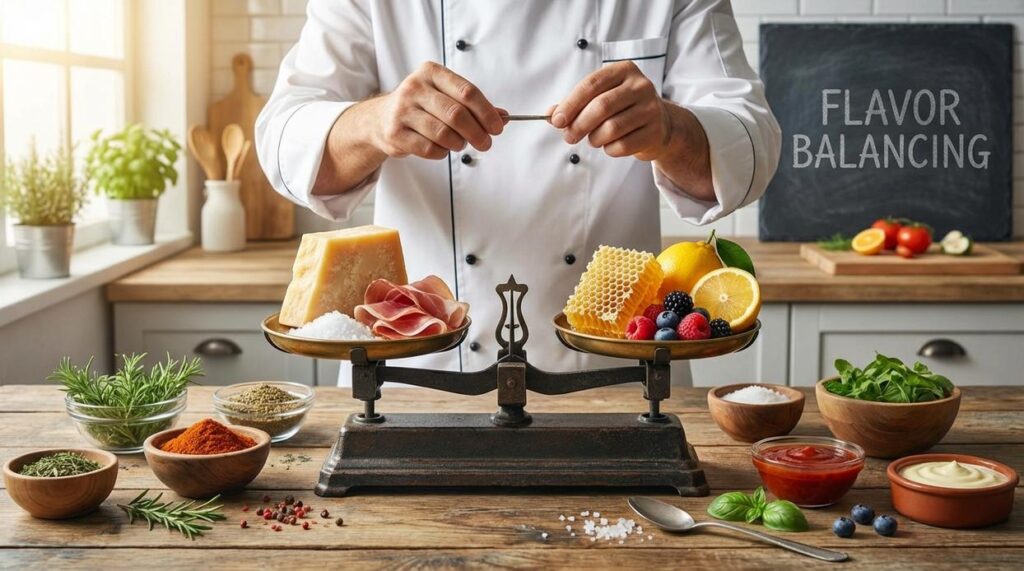
At its core, every memorable dish relies on five basic tastes: salty, sweet, sour, bitter, and umami. Think of them as primary colors for your palate—combine them well, and you can create almost anything.
Salty
Salt isn’t just about making food taste salty. It’s a flavor enhancer, meaning it amplifies other tastes. Soy sauce, feta cheese, olives, and even anchovies deliver salt along with depth. If your soup tastes flat, a small pinch of salt (or a splash of soy sauce) can wake it up instantly.
Sweet
Sweetness softens sharp edges. Honey in a vinaigrette or maple syrup on roasted carrots balances bitterness and acidity. Roasting vegetables naturally draws out sugars, which is why roasted Brussels sprouts taste milder than steamed ones.
Sour
Sour ingredients brighten heavy dishes and cut through richness. A squeeze of lemon over fried food or a spoonful of yogurt in spicy curry adds lift. Vinegar-based dressings are especially useful for balancing flavor profiles.
Bitter
Bitter flavors add sophistication. Dark chocolate, coffee, and arugula provide contrast that keeps dishes from tasting one-note (think of it as the plot twist in your meal).
Umami
Umami is the savory, mouth-filling taste found in mushrooms, tomatoes, miso, and kimchi. It makes dishes feel hearty and satisfying. Pro tip: sauté mushrooms until deeply browned to intensify their umami punch.
The Art of the Counterpoint: How to Balance and Enhance Tastes
Think of flavor like a conversation at the dinner table. If one guest dominates, the meal falls flat. As one chef once told me, “Great cooking is a system of checks and balances.” In other words, balancing flavor profiles is less about adding more and more—and more about knowing what to add next.
First, fat needs acid. Rich, fatty foods—like braised short ribs or creamy Alfredo—can feel heavy. Then someone squeezes a lemon wedge and suddenly everything brightens. “It tastes lighter,” a friend said after I added a splash of sherry vinegar to her stew. That’s because acid cuts through fat, literally stimulating saliva production and sharpening perception (Harold McGee, On Food and Cooking).
Meanwhile, bitterness needs sweetness or fat. Black coffee can taste harsh, but add sugar or cream and it softens. The same goes for arugula salad with a touch of honey in the dressing. Sugar masks bitter compounds, and fat coats the tongue, smoothing sharp edges.
On the flip side, salt enhances sweetness. Ever notice salted caramel tastes more caramel-y? A pinch of salt suppresses bitterness and heightens sweet signals (National Institutes of Health). Even fruit benefits—try salting watermelon.
Finally, umami—that savory depth in mushrooms or Parmesan—often needs salt or sour to shine. “Add a splash of soy or a squeeze of lime,” a cook once insisted. He was right; it wakes everything up.
Contrast creates memory. One-note dishes are forgettable (sorry, plain oatmeal). Counterpoints? That’s where flavor sings.
Beyond the Tongue: Aroma, Texture, and Spice
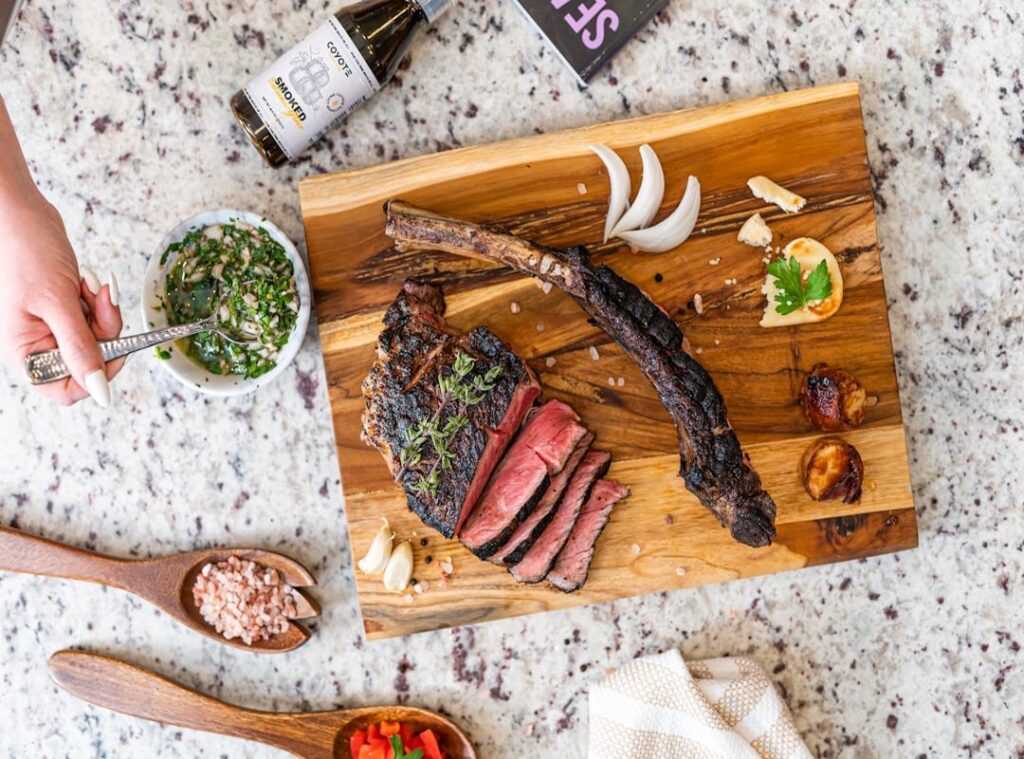
When people say something “tastes amazing,” I’d argue they’re usually praising aroma more than taste itself. In fact, research shows that up to 80% of flavor perception comes from smell (Harvard Health Publishing). That’s why fresh parsley tossed over pasta or spices bloomed in hot oil feel transformative. Searing a steak doesn’t just cook it; it triggers the Maillard reaction, creating complex aromas that scream savory satisfaction. (It’s basically the culinary equivalent of turning the volume up.)
Then there’s texture—the unsung hero. I firmly believe a dish without contrast is forgettable. Think about it:
- Creamy soups topped with crunchy croutons
- Silky yogurt paired with toasted nuts
- Tender noodles finished with crisp vegetables
That contrast keeps every bite interesting.
And let’s talk about heat. Piquancy from chiles or black pepper doesn’t just burn; it heightens other flavors by stimulating pain receptors that release endorphins (National Institutes of Health). A swirl of chili oil can wake up an otherwise mellow bowl.
Take a simple tomato soup. Add crunchy croutons (texture), fresh parsley (aroma), and chili oil (heat), and suddenly you’re balancing flavor profiles like a pro. If you want more inspiration, explore these creative sauce combinations to elevate everyday meals. Pro tip: toast spices briefly before adding liquid to maximize their aromatic punch.
A Practical Guide: Fixing a Dish That’s “Missing Something”

You take a bite. It looks vibrant, steam curling upward, but the flavor lands with a dull thud. Before adding random spices (we’ve all panic-shaken garlic powder), pause and diagnose.
Ask: Is it flat? Too rich? Just… boring?
If it tastes flat—like soup that smells amazing but fades on your tongue—add salt or acid. A pinch of flaky salt or a squeeze of lemon can make flavors snap into focus. Some argue salt is unhealthy, but in proper amounts it enhances, not overwhelms (and science backs its role in flavor perception; see NIH data).
If it’s too rich or heavy—coating your mouth with butter or cream—add acid. Vinegar or citrus cuts through fat, brightening each bite.
If it’s one-note, add umami or bitterness. Soy sauce, parmesan, or fresh herbs build complexity and help in balancing flavor profiles.
Meal Prep Hack: Revive leftovers the same way. Cold pasta tasting sleepy? Warm it, taste, adjust. Trust your senses.
Your Next Steps to Culinary Confidence
You don’t need another recipe. You need awareness. The truth? Blindly following instructions is overrated. Real progress comes from tasting, thinking, and adjusting. That nagging “not quite right” feeling isn’t a mystery—it’s a clue. Most dishes fail because we ignore balancing flavor profiles and hope for the best.
Here’s the contrarian take: great cooking isn’t talent; it’s diagnosis.
- Taste first, tweak second
- Add acid when it’s flat
- Add texture or aroma when it’s dull
This week, choose one dish. Taste it consciously. Then add one contrasting element. Watch what happens.
Elevate Every Dish with Intention
You came here to sharpen your skills, explore flavor fusion, and better understand how smart techniques can transform everyday meals. Now you have the tools to experiment confidently, layer ingredients with purpose, and master balancing flavor profiles in a way that makes every bite memorable.
The real frustration in the kitchen isn’t lack of effort — it’s when dishes fall flat despite your time and energy. When flavors clash or taste one-dimensional, it can make cooking feel discouraging. But with the right insights, fermentation tips, ingredient pairings, and prep strategies, you’re no longer guessing. You’re creating with clarity.
Now it’s time to put this into action. Choose one new fusion idea, test one fermentation method, or upgrade your weekly meal prep with intentional seasoning adjustments. Small, focused changes create dramatic improvements.
If you’re ready to stop serving average meals and start crafting bold, balanced dishes with confidence, dive into more expert-backed culinary insights today. Join thousands of food enthusiasts who trust our proven techniques to transform their kitchens — and start creating flavors worth remembering.
 Founder & Culinary Innovation Director
Ask Syldric Rendall how they got into meal prep hacks and you'll probably get a longer answer than you expected. The short version: Syldric started doing it, got genuinely hooked, and at some point realized they had accumulated enough hard-won knowledge that it would be a waste not to share it. So they started writing.
What makes Syldric worth reading is that they skips the obvious stuff. Nobody needs another surface-level take on Meal Prep Hacks, Flavor Fusion Concepts, Culinary Buzz. What readers actually want is the nuance — the part that only becomes clear after you've made a few mistakes and figured out why. That's the territory Syldric operates in. The writing is direct, occasionally blunt, and always built around what's actually true rather than what sounds good in an article. They has little patience for filler, which means they's pieces tend to be denser with real information than the average post on the same subject.
Syldric doesn't write to impress anyone. They writes because they has things to say that they genuinely thinks people should hear. That motivation — basic as it sounds — produces something noticeably different from content written for clicks or word count. Readers pick up on it. The comments on Syldric's work tend to reflect that.
Founder & Culinary Innovation Director
Ask Syldric Rendall how they got into meal prep hacks and you'll probably get a longer answer than you expected. The short version: Syldric started doing it, got genuinely hooked, and at some point realized they had accumulated enough hard-won knowledge that it would be a waste not to share it. So they started writing.
What makes Syldric worth reading is that they skips the obvious stuff. Nobody needs another surface-level take on Meal Prep Hacks, Flavor Fusion Concepts, Culinary Buzz. What readers actually want is the nuance — the part that only becomes clear after you've made a few mistakes and figured out why. That's the territory Syldric operates in. The writing is direct, occasionally blunt, and always built around what's actually true rather than what sounds good in an article. They has little patience for filler, which means they's pieces tend to be denser with real information than the average post on the same subject.
Syldric doesn't write to impress anyone. They writes because they has things to say that they genuinely thinks people should hear. That motivation — basic as it sounds — produces something noticeably different from content written for clicks or word count. Readers pick up on it. The comments on Syldric's work tend to reflect that.