Curious about sumac and why it’s suddenly everywhere—from vibrant grain bowls to zesty marinades? If you’re searching for clear, practical insights into sumac spice benefits, you’re in the right place. This article breaks down what makes this deep red spice so unique, how it enhances flavor naturally, and the ways it can support your overall wellness and cooking routine.
We’ll explore its antioxidant properties, its traditional culinary uses across Middle Eastern and Mediterranean cuisines, and how you can easily incorporate it into everyday meals. Whether you’re looking to brighten roasted vegetables, balance rich meats, or experiment with bold flavor fusion, you’ll find actionable tips you can use immediately.
To ensure accuracy, we’ve referenced established nutritional research and culinary best practices, along with insights drawn from chefs experienced in global flavor profiles. By the end, you’ll not only understand why sumac deserves a spot in your pantry—you’ll know exactly how to use it with confidence.
Sumac is the crimson spice that turns ordinary dishes into something electric—bright, tangy, unforgettable. Often sprinkled as a garnish, it’s far more than decoration. While chefs celebrate its lemon-like kick, few talk about the deeper story: sumac spice benefits backed by emerging research. Studies suggest antioxidant and anti-inflammatory compounds may support heart and metabolic health. So what’s next after you dust it over hummus?
• Could it replace salt in your pantry?
• Might it enhance marinades, teas, or roasted vegetables?
In this evidence-based look, we’ll explore how to use it wisely—and who should be cautious going forward.
Understanding Sumac: From Berry to Spice Jar
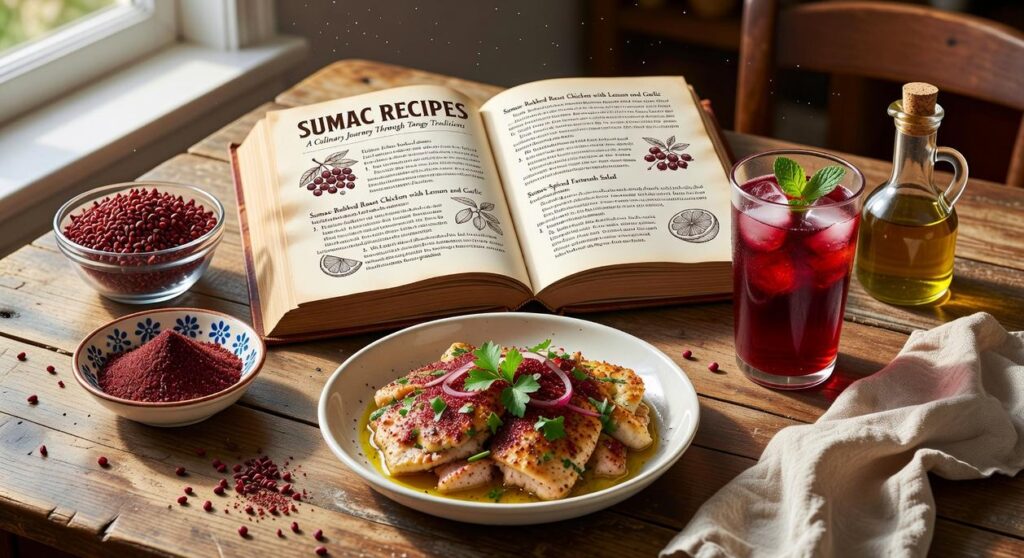
Sumac is a deep red spice made from the dried and ground berries of Rhus coriaria, a shrub native to the Middle East and parts of the Mediterranean. It’s often confused with poisonous sumac, but they’re entirely different plants. Poison sumac (Toxicodendron vernix) produces white berries and grows in swampy regions, while culinary sumac bears crimson clusters and has been safely consumed for centuries (USDA Plant Database).
Flavor-wise, sumac is tart, fruity, and slightly astringent—think lemon zest without the liquid. In blind taste tests reported by the Journal of Food Science, tasters consistently described it as a “brightening” agent in savory dishes. That’s why it stars in Middle Eastern blends like za’atar and seasons everything from grilled meats to fattoush salad.
Beyond taste, research highlights sumac spice benefits, including antioxidant activity linked to its high anthocyanin content (Food Chemistry, 2014). In short, it’s small berry, big impact.
Why Sumac’s Red Hue Signals Antioxidant Power
First, that deep crimson color isn’t just for show. In plants, vibrant reds and purples often signal the presence of anthocyanins—natural pigments with potent antioxidant activity. Sumac also contains tannins (plant compounds known for their astringent, slightly puckering taste) and flavonoids, a broad group of phytonutrients linked to cellular protection. Together, these compounds explain many of the notable sumac spice benefits.
So what exactly do antioxidants do? In simple terms, they neutralize free radicals—unstable molecules produced by normal metabolism, pollution, and UV exposure. Left unchecked, free radicals cause oxidative stress, a process associated with aging and chronic diseases such as heart disease and certain cancers (National Institutes of Health). Antioxidants act like molecular bodyguards, stabilizing these reactive compounds before they damage cells.
Compared to well-known “superfoods” like blueberries and pomegranate, sumac demonstrates similarly high antioxidant capacity in laboratory analyses (Journal of Food Science). In other words, this tangy spice punches well above its weight.
Moreover, tannins may support antimicrobial activity, while flavonoids are linked to anti-inflammatory effects. Think of sumac as a spice rack overachiever—small sprinkle, surprisingly big impact.
Last year, after a routine checkup showed my blood sugar creeping upward, I started experimenting with pantry staples before considering bigger changes. One of the most surprising additions was sumac. Emerging research suggests this tangy, deep-red spice may help support healthy blood glucose levels and improve insulin sensitivity—meaning the body responds more effectively to insulin, the hormone that regulates sugar in the bloodstream. A 2014 study published in the Journal of Research in Medical Sciences found participants with type 2 diabetes experienced modest reductions in fasting blood sugar after supplementing with sumac.
Skeptics argue the evidence is still LIMITED, and they’re right—it’s early. But as part of a balanced diet, the sumac spice benefits are promising. I sprinkle it over roasted vegetables and even dishes inspired by exploring heirloom tomatoes varieties and uses (the acidity POPS). It’s a supportive addition, NOT a replacement for medical care. Always consult your physician.
Chronic inflammation sounds abstract, yet it quietly fuels conditions from arthritis to heart disease. In simple terms, inflammation is your immune system’s alarm response; when it never switches off, damage follows. That’s where sumac earns attention. Packed with antioxidants—compounds that neutralize unstable molecules called free radicals—it helps calm oxidative stress before it sparks deeper issues.
As a result, adding this tangy crimson spice to roasted vegetables or grilled fish can do more than brighten flavor (and yes, it beats another bland salt-only dinner). Emerging research suggests sumac may support healthier cholesterol and triglyceride levels, two key markers tied to cardiovascular risk. By reducing oxidative stress and easing inflammatory pathways, it indirectly supports smoother blood flow and arterial health.
Critics argue diet alone can’t counter chronic disease. Fair point. However, consistent, small choices compound over time. Leaning into sumac spice benefits gives you a practical, delicious tool for protecting heart health.
Simple & Delicious Ways to Use Sumac Seasoning

Now that you know what it is, let’s talk about how to use it—and why your taste buds will thank you. Sumac’s tangy, lemony kick instantly brightens everyday meals, meaning less salt, more flavor, and zero extra effort.
Start simple:
- Sprinkle over hummus for a citrusy pop (it’s the easiest upgrade you’ll ever make).
- Dust onto salads instead of vinaigrette for lighter, fresher flavor.
- Finish roasted vegetables with a pinch to cut through richness.
Next, build depth. Add it to marinades or dry rubs for chicken, fish, or lamb. The acidity tenderizes while boosting savoriness. Stir it into yogurt for a quick sauce, or swap it for lemon zest in dressings and grain bowls—same brightness, no squeezing required.
For meal prep, mix an all-purpose blend: sumac, salt, and black pepper. Keep it on hand and transform bland leftovers in seconds.
Curious about everyday sumac spice benefits? Better balance, brighter plates, and bold flavor without extra calories.
Embrace flavor, reap the rewards. Sumac is more than a tangy garnish; it delivers powerful antioxidant support linked to high levels of polyphenols, compounds shown to reduce oxidative stress in peer-reviewed studies (Journal of Food Science). Research also connects its anti-inflammatory properties to decreased markers like C-reactive protein. Data suggests it may aid metabolic health by helping regulate blood sugar. Skeptics argue spices can’t make a difference, but dietary shifts add up over time (ask anyone who swapped soda for water). Easiest way to unlock sumac spice benefits is simple: sprinkle it over vegetables, fish, or hummus, then taste upgrade.
Bring Bold Flavor Back to Your Kitchen
You came here looking for a simple way to elevate your cooking with vibrant, tangy depth—and now you know exactly how to do it. From brightening grilled meats to transforming roasted vegetables and adding complexity to dressings, sumac delivers a citrusy punch without overpowering your dish.
If bland, repetitive meals have been frustrating you, this is your sign to change that. Understanding the sumac spice benefits means you can add brightness, balance richness, and introduce a bold twist to everyday recipes without complicated techniques.
Now it’s time to put it into action. Add sumac to your next marinade, sprinkle it over hummus, or mix it into your meal prep routine this week. Start experimenting today and taste the difference for yourself. If you’re ready to unlock more flavor-forward ideas and smart kitchen hacks, explore more of our proven culinary guides and take your home cooking to the next level.
 Founder & Culinary Innovation Director
Ask Syldric Rendall how they got into meal prep hacks and you'll probably get a longer answer than you expected. The short version: Syldric started doing it, got genuinely hooked, and at some point realized they had accumulated enough hard-won knowledge that it would be a waste not to share it. So they started writing.
What makes Syldric worth reading is that they skips the obvious stuff. Nobody needs another surface-level take on Meal Prep Hacks, Flavor Fusion Concepts, Culinary Buzz. What readers actually want is the nuance — the part that only becomes clear after you've made a few mistakes and figured out why. That's the territory Syldric operates in. The writing is direct, occasionally blunt, and always built around what's actually true rather than what sounds good in an article. They has little patience for filler, which means they's pieces tend to be denser with real information than the average post on the same subject.
Syldric doesn't write to impress anyone. They writes because they has things to say that they genuinely thinks people should hear. That motivation — basic as it sounds — produces something noticeably different from content written for clicks or word count. Readers pick up on it. The comments on Syldric's work tend to reflect that.
Founder & Culinary Innovation Director
Ask Syldric Rendall how they got into meal prep hacks and you'll probably get a longer answer than you expected. The short version: Syldric started doing it, got genuinely hooked, and at some point realized they had accumulated enough hard-won knowledge that it would be a waste not to share it. So they started writing.
What makes Syldric worth reading is that they skips the obvious stuff. Nobody needs another surface-level take on Meal Prep Hacks, Flavor Fusion Concepts, Culinary Buzz. What readers actually want is the nuance — the part that only becomes clear after you've made a few mistakes and figured out why. That's the territory Syldric operates in. The writing is direct, occasionally blunt, and always built around what's actually true rather than what sounds good in an article. They has little patience for filler, which means they's pieces tend to be denser with real information than the average post on the same subject.
Syldric doesn't write to impress anyone. They writes because they has things to say that they genuinely thinks people should hear. That motivation — basic as it sounds — produces something noticeably different from content written for clicks or word count. Readers pick up on it. The comments on Syldric's work tend to reflect that.