
If you’ve been searching for fresh inspiration in the kitchen—whether it’s mastering bold flavor pairings, experimenting with fermentation, or making the most of seasonal produce—you’re in the right place. This article dives into the culinary buzz shaping modern home cooking, from inventive flavor fusion concepts to smart meal prep hacks that actually save time without sacrificing taste.
We break down trending ingredients, spotlight standouts like heirloom tomato varieties, and explore techniques that elevate everyday dishes into memorable meals. You’ll also discover how fermentation can deepen flavor, reduce waste, and expand your culinary confidence with simple, approachable methods.
Our insights are grounded in hands-on kitchen experimentation, careful ingredient research, and analysis of emerging food trends across global cuisines. The goal? To give you practical, reliable guidance you can trust—and recipes and techniques you’ll actually use. Let’s turn curiosity into creativity, one flavorful step at a time.
Supermarket tomatoes are bred for travel, not taste; studies show commercial varieties prioritize durability and yield over flavor compounds (University of Florida IFAS). In contrast, heirlooms burst with sugars and acids that create complexity. However, with hundreds available, choosing can feel paralyzing. Therefore, this guide simplifies heirloom tomato varieties by flavor profile, growth habit, and best culinary use. For example, Brandywine consistently ranks high in taste trials, while San Marzano excels in sauce density (UC Davis). From seed selection to harvest timing, you’ll learn how evidence-based growing and cooking techniques maximize flavor. The result is garden-to-table intensity. Backed by research.
What exactly makes a tomato heirloom? An heirloom tomato is an open-pollinated variety that has been saved and passed down for at least 50 years, meaning its seeds grow true to type. In farmers’ markets from Sonoma to Savannah, growers prize that genetic consistency because it preserves flavor memory and regional character. By contrast, hybrid tomatoes are deliberately crossbred for uniform size, thicker skins, and disease resistance traits that ship well but can dilute nuance. Think supermarket perfect versus backyard charisma. However, some gardeners argue hybrids are simply more reliable, especially in humid Southern summers. Fair point yet reliability is not the same as complexity. Heirloom tomato varieties offer layered sweetness, bright acidity, and savory depth chefs call umami. Their colors streak purple, gold, and green, and their lobed, imperfect shapes signal individuality. Moreover, saving seeds supports agricultural biodiversity, a quiet act of preservation that home cooks can taste daily.
The Best Heirlooms for Slicing, Salads, and Sandwiches
As you explore the vibrant world of heirloom tomatoes, not only can their unique flavors elevate your culinary creations, but they also lend themselves beautifully to fermentation, making them a perfect ingredient for pickling, as discussed in our Beginner’s Guide to Homemade Vegetable Fermentation – for more details, check out our Beginner’s Guide to Homemade Vegetable Fermentation.
When it comes to heirloom tomato varieties, large, meaty beefsteaks often steal the show. Some gardeners argue that hybrids outperform them in uniformity and disease resistance—and that’s fair. However, if flavor is your north star (and for most of us, it is), beefsteaks deliver a depth that supermarket tomatoes rarely match.
Brandywine
First, there’s Brandywine—the legend. Known for its rich, sweet flavor and distinctive potato-leaf foliage (a leaf shape that’s smooth-edged rather than serrated), it produces hefty fruits that taste like summer distilled into a slice. Critics say it’s fussy, and they’re not wrong. It requires strong staking because the vines grow tall and the fruit gets heavy. Yet that extra effort pays off. Thick slices on a BLT or simply sprinkled with flaky salt? That’s peak tomato.
Cherokee Purple
Meanwhile, Cherokee Purple brings drama to the plate with its dusky rose color and complex, smoky-sweet taste. Some prefer bright red tomatoes for caprese, claiming visual appeal matters. Still, one bite of Cherokee Purple often changes minds. Be aware: inconsistent watering can cause cracking (when fruit splits due to rapid moisture swings). Keep irrigation steady. In caprese salads, its flavor easily outshines the mozzarella.
Mortgage Lifter
Then there’s Mortgage Lifter, famous for producing huge fruits that supposedly helped pay off a farmer’s debt during the Great Depression (University of Kentucky archives). It’s productive and beginner-friendly. While skeptics claim size sacrifices taste, this variety proves otherwise. Thick slabs make unbeatable burger toppers.
Pro tip: Salt slices 10 minutes before serving to intensify flavor.
For more ingredient inspiration, explore the versatility of chickpeas in modern meals.
Top Choices for Rich, Flavorful Pastes and Sauces
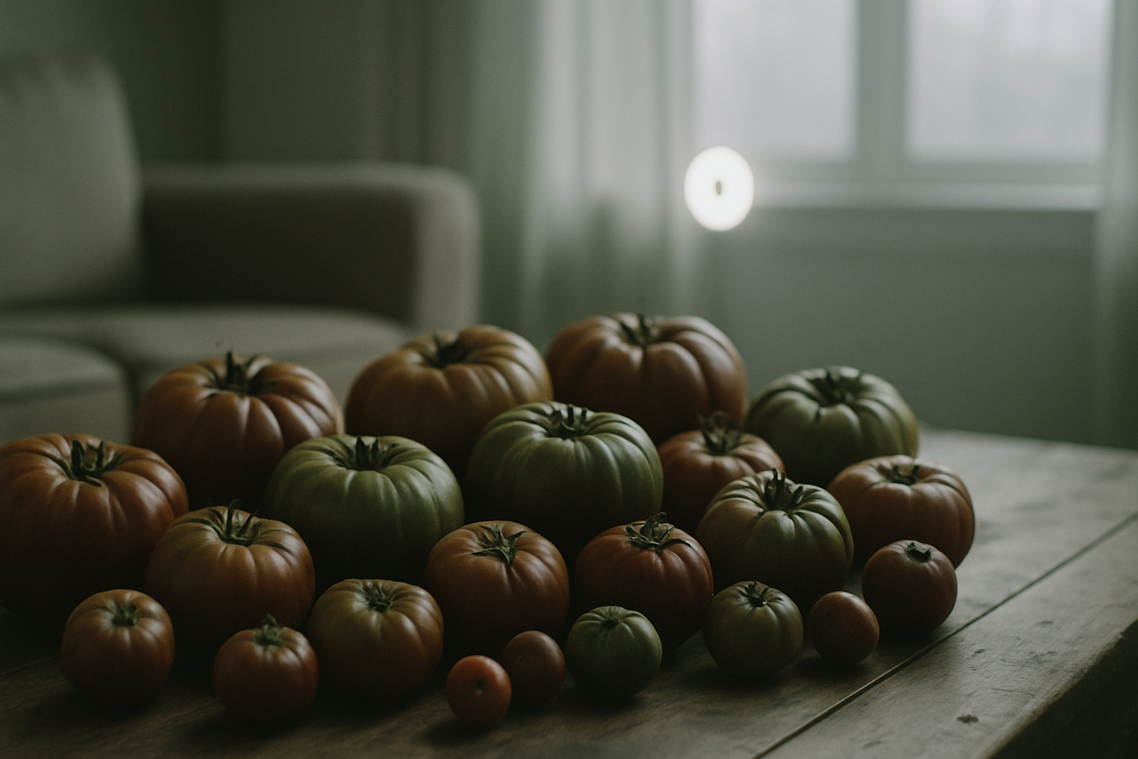
When people talk about a “sauce tomato,” they don’t just mean any tomato that lands in a pot. They mean a fruit specifically suited for slow simmering into something THICK, RICH, and deeply flavored. A good sauce tomato has three defining traits:
- Meaty flesh – More solid interior means more body in your sauce.
- Low water content – Less simmering time to cook off excess liquid.
- Fewer seeds – A smoother texture without bitterness.
If you’ve ever wondered why some sauces taste watery, this is usually the reason (it’s not your cooking skills).
San Marzano
The Italian classic. San Marzano tomatoes are prized for balanced sweetness and naturally low acidity, meaning they taste bright without being sharp. Think of them as the gold standard for authentic pasta sauce—NONNA-APPROVED. Look for indeterminate varieties, which keep producing fruit throughout the season for a longer harvest. Many heirloom tomato varieties try to compete, but San Marzano remains iconic.
Amish Paste
Recognizable by its heart shape, Amish Paste offers a richer, sweeter flavor than a typical Roma. The vines are famously productive, making them a gardener’s favorite. In the kitchen, they shine in canning and create a thick, concentrated tomato paste worthy of a Sunday gravy simmer.
Small Wonders: Heirlooms for Snacking and Roasting
Big tomatoes get the glory—thick slices on burgers, dramatic heirloom platters—but small-fruited varieties often deliver more flavor per bite. Yes, really. Because flavor compounds concentrate as sugars and acids balance in smaller fruits, each pop can feel amplified (think espresso versus drip coffee).
Take Black Cherry. Its deep purple skin signals high anthocyanin content, the same antioxidant pigment found in blueberries (USDA). The flavor? Complex, smoky-sweet, reminiscent of larger black tomatoes but distilled into a two-bite experience. Some gardeners argue sprawling vines are a nuisance. I disagree. Vigorous growth usually means higher yields if you give them space and sturdy support. Roast them with garlic and herbs, and they collapse into jammy intensity—proof that size doesn’t dictate depth.
Then there’s Yellow Pear. Often dismissed as “just cute,” its distinctive pear shape hides a mild, low-acid sweetness that appeals to sensitive palates. Critics say mild equals bland. Not quite. Lower acidity simply shifts the balance, making it ideal for kids or raw snacking. It’s incredibly prolific and forgiving (a beginner’s dream). Pro tip: pickle them whole—their shape holds texture beautifully.
Sometimes the smallest tomatoes make the boldest statement.
Choosing tomatoes shouldn’t feel like decoding a seed catalog. The real problem is simple: too many beautiful options, not enough clarity. Instead of guessing, group heirloom tomato varieties by how you’ll use them. Slicers are large, juicy tomatoes ideal for sandwiches; paste types are meatier, meaning they contain less water and cook down into rich sauces; cherry and grape tomatoes are small, snackable fruits perfect for salads. When you select based on flavor purpose, success follows naturally. Why gamble on random picks? Start small—grow one or two that match your favorite dishes and your garden space this season ahead now.
Bring Bold Flavor Back to Your Kitchen
You came here looking for fresh inspiration, smarter techniques, and new ways to elevate your meals—and now you have them. From experimenting with fermentation to exploring bold pairings and heirloom tomato varieties, you’ve seen how small, intentional changes can completely transform your cooking.
The real frustration isn’t a lack of recipes. It’s the feeling that your food has become predictable. Flat flavors. Repetitive meals. Missed opportunities to create something memorable.
The solution is simple: apply what you’ve learned. Start with one new technique this week. Test one unexpected flavor fusion. Prep smarter so you can cook with confidence even on your busiest days. Action creates momentum.
If you’re ready to stop cooking on autopilot and start creating meals that actually excite you, now’s the time to dive deeper. Explore more expert-backed techniques, trending ingredient insights, and flavor-forward ideas trusted by thousands of passionate home cooks.
Don’t settle for ordinary meals. Elevate your kitchen game today—discover your next breakthrough recipe and start cooking with bold confidence now.
 Founder & Culinary Innovation Director
Ask Syldric Rendall how they got into meal prep hacks and you'll probably get a longer answer than you expected. The short version: Syldric started doing it, got genuinely hooked, and at some point realized they had accumulated enough hard-won knowledge that it would be a waste not to share it. So they started writing.
What makes Syldric worth reading is that they skips the obvious stuff. Nobody needs another surface-level take on Meal Prep Hacks, Flavor Fusion Concepts, Culinary Buzz. What readers actually want is the nuance — the part that only becomes clear after you've made a few mistakes and figured out why. That's the territory Syldric operates in. The writing is direct, occasionally blunt, and always built around what's actually true rather than what sounds good in an article. They has little patience for filler, which means they's pieces tend to be denser with real information than the average post on the same subject.
Syldric doesn't write to impress anyone. They writes because they has things to say that they genuinely thinks people should hear. That motivation — basic as it sounds — produces something noticeably different from content written for clicks or word count. Readers pick up on it. The comments on Syldric's work tend to reflect that.
Founder & Culinary Innovation Director
Ask Syldric Rendall how they got into meal prep hacks and you'll probably get a longer answer than you expected. The short version: Syldric started doing it, got genuinely hooked, and at some point realized they had accumulated enough hard-won knowledge that it would be a waste not to share it. So they started writing.
What makes Syldric worth reading is that they skips the obvious stuff. Nobody needs another surface-level take on Meal Prep Hacks, Flavor Fusion Concepts, Culinary Buzz. What readers actually want is the nuance — the part that only becomes clear after you've made a few mistakes and figured out why. That's the territory Syldric operates in. The writing is direct, occasionally blunt, and always built around what's actually true rather than what sounds good in an article. They has little patience for filler, which means they's pieces tend to be denser with real information than the average post on the same subject.
Syldric doesn't write to impress anyone. They writes because they has things to say that they genuinely thinks people should hear. That motivation — basic as it sounds — produces something noticeably different from content written for clicks or word count. Readers pick up on it. The comments on Syldric's work tend to reflect that.