
Food trends move faster than ever, and if you’re here, you’re probably trying to keep up with what’s actually worth tasting, testing, and sharing. From viral flavor mashups to small-batch fermentation experiments, today’s culinary landscape is shaped by bold creativity and powerful social media food influence that can turn a simple ingredient into a global sensation overnight.
This article dives into the latest culinary buzz, breaking down the flavor fusion concepts, standout ingredients, and smart meal prep hacks that are driving real conversations in kitchens and online. Instead of chasing every passing trend, we focus on what’s practical, innovative, and rooted in solid technique—especially when it comes to fermentation and building balanced flavor.
Our insights are grounded in hands-on experimentation, ongoing trend analysis, and a deep understanding of how digital food culture shapes what ends up on your plate. You’ll walk away with clear, actionable ideas you can actually use—whether you’re cooking for fun, for followers, or for flavor.
Back in 2021, baked feta pasta exploded on TikTok, and within weeks grocery stores reported feta sales jumping 200% (Washington Post, 2021). That’s not a slow burn; that’s culinary whiplash. The same thing happened in 2023 with the “sleepy girl mocktail,” tart cherry juice vanishing overnight.
What’s changed is scale. social media food influence now compresses trend cycles into days, not seasons. Consumers chase novelty; brands scramble to restock.
Some argue this is hype—remember cronuts in 2013? Fair. But today’s algorithms amplify repetition at lightning speed.
- Viral visuals
- Influencer endorsements
- Frictionless shopping links
Blink and dinner changes.
The Anatomy of a Viral Food Trend: From Niche Post to Global Phenomenon
Every viral dish starts small. Usually, it begins with what we can call the Ingredient Spotlight Phase—a moment when one overlooked ingredient suddenly takes center stage. Think chili crisp before it lined supermarket shelves, or gochujang before it became a pantry staple. In this phase, creators isolate a single component and build a narrative around it: its origin, flavor profile, and versatility. By defining its value clearly—Is it smoky? Funky? Umami-rich (that savory, mouth-filling taste)?—they make it less intimidating and more intriguing. If you’re hoping to spot the next big thing, pay attention to ingredients repeatedly framed as “underrated” or “game-changing.”
From Complex to Clickable
Next comes the Simplification & Accessibility Phase. Complex culinary traditions are translated into easy, visually appealing recipes. A fermented paste becomes a three-ingredient pasta sauce. A slow-cooked dish turns into a 15-minute meal prep hack. This step matters because lowering the barrier to entry invites participation. When a recipe looks doable on a weeknight, people try it (and post about it).
Finally, the Amplification Loop Phase kicks in. Platform tools—like TikTok Duets or Instagram Remixes—encourage users to recreate, react, and riff on the original post. This participatory cycle fuels social media food influence and transforms a single upload into a movement. If you want to join early, create your own variation rather than a carbon copy. Trends don’t just spread—they evolve.
The Psychology of Persuasion: Why We Trust Influencers with Our Taste Buds
Cultivating “Authentic” Cravings
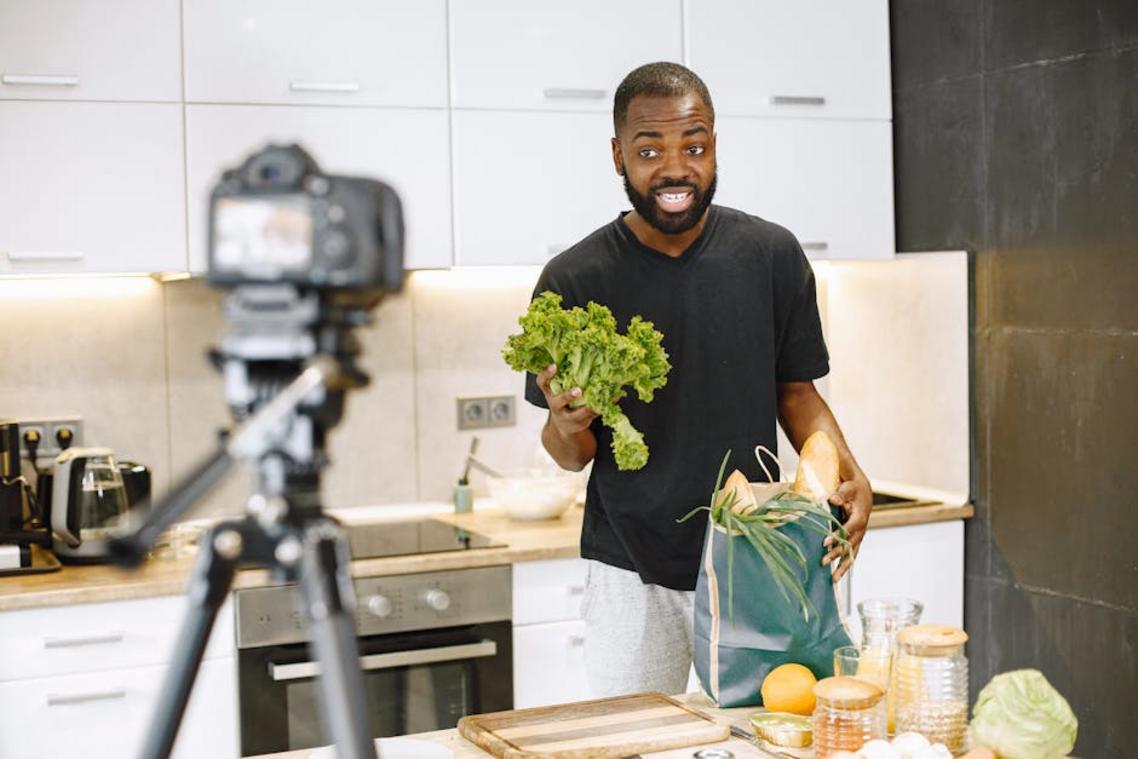
“I swear, I’d buy this even if they weren’t paying me,” a friend once said while watching her favorite creator whip up spicy ramen in a dimly lit kitchen. That’s the point. Influencers use informal language, lo-fi production, and personal storytelling to simulate a close-friend recommendation rather than a polished ad.
This strategy hinges on parasocial relationships—one-sided bonds where viewers feel genuine intimacy with someone they’ve never met (Horton & Wohl, 1956). Critics argue audiences are savvy enough to spot sponsorships. And yes, disclosure rules from the FTC require transparency. But research shows authenticity cues—casual speech, kitchen messes, “oops” moments—still increase trust and purchase intent (Audrezet et al., 2020).
Aspirational Eating
Food isn’t framed as fuel. It’s framed as identity. A protein smoothie becomes “my 5 a.m. CEO ritual.” A sourdough starter signals patience and craft. In social media food influence, products double as lifestyle badges—wellness, convenience, culinary authority.
Skeptics say, “It’s just bread.” True. But behavioral science suggests otherwise. According to Harvard professor Gerald Zaltman, 95% of purchasing decisions happen subconsciously. We’re buying narratives (even when we pretend we’re just buying snacks).
The Power of Visual Cues
“Listen to that crunch,” an influencer whispers as a knife breaks through caramelized sugar. That’s engineered sensory marketing. ASMR-triggering sounds, slow-motion pours, dramatic cheese pulls—they activate mirror neurons, helping viewers feel the experience (Rizzolatti et al., 1996).
Some claim visuals alone can’t drive impulse purchases. Yet neuromarketing studies show multisensory cues significantly increase desire and recall. (Pro tip: if it makes you pause mid-scroll, it’s working.)
Want proof of how presentation reshapes perception? See street food to fine dining the rise of casual gourmet.
Case Studies: How Influencers Redefined Mainstream Flavors
The Fermentation Revolution
Not long ago, kimchi, kombucha, and kefir lived in the back corner of health food stores, whispered about like a secret wellness hack. Fermentation—an ancient preservation method that uses beneficial microbes to transform food—was niche. Then influencers began spotlighting gut health, a term referring to the balance of bacteria in your digestive system linked to immunity and mood (Harvard Health, 2023). Suddenly, cloudy bottles of kombucha were as common as cold brew. Much like sourdough starters during early lockdown days, these foods became cultural currency. Critics argue it’s just a fad dressed in mason jars. However, sales data shows fermented food demand steadily rising year over year (Statista, 2024), suggesting this shift has staying power.
The “Swicy” Takeover
Meanwhile, “swicy”—the sweet and spicy flavor mashup—exploded onto feeds everywhere. Think hot honey drizzled over pepperoni pizza or even vanilla ice cream. It sounds chaotic, yet it works (like pairing pineapple on pizza—controversial but persistent). Influencers showcased bold contrasts, turning flavor fusion into entertainment. Detractors say it’s gimmicky, but consumer trend reports from Datassential highlight swicy as a top-growing flavor profile in recent menus. In other words, it’s not just hype; it’s demand meeting creativity.
The Single-Brand Catapult
Then there’s the single-brand surge. A niche chili crisp or signature spice blend goes viral through targeted creator partnerships, sells out overnight, and becomes a pantry badge of honor. This is social media food influence at full throttle. Some call it manufactured buzz. Yet when restocks vanish in minutes, it’s clear audiences aren’t just watching—they’re tasting.
The power to define what’s delicious has shifted. Once, glossy magazines and corporate test kitchens decided what landed on your plate. Now, independent creators with cameras and curiosity set the agenda. This transfer of authority means you benefit first: faster access to inventive recipes, niche techniques that used to stay locked in professional circles.
More importantly, this isn’t a parade of fleeting fads. Crowd-driven demand reshapes supply chains, accelerates product development, and redefines culinary buzz in real time. When millions save a chili oil hack, manufacturers notice. When home cooks obsess over fermentation, retailers expand their cultures section. That feedback loop creates options for you.
Admittedly, some critics argue trends burn out quickly or prioritize aesthetics over flavor. Fair point. Yet the transparency and accountability baked into social media food influence reward creators who deliver.
Looking ahead, expect hyper-niche experts—sous-vide obsessives, dry-aging DIYers—and clearer disclosure on sponsored bites trust matters
Bring Bold Flavor Into Your Everyday Cooking
You came here looking for fresh culinary inspiration—and now you have it. From flavor fusion ideas to smart fermentation techniques and practical meal prep hacks, you’re equipped to break out of boring routines and create dishes that actually excite you.
The frustration of repetitive meals and bland flavors is real. It drains your creativity and makes cooking feel like a chore instead of a craft. But with the right ingredient pairings, a little experimentation, and awareness of social media food influence, you can turn everyday meals into something worth sharing—and savoring.
Now it’s time to act. Pick one new technique, one bold ingredient, or one fusion concept and try it this week. Don’t just scroll past inspiration—plate it up.
If you’re ready to transform your kitchen game with proven flavor strategies and trend-forward ideas trusted by a growing community of passionate home cooks, start exploring more tips today and put them into practice. Your next unforgettable meal starts now.