Curious about what’s driving today’s biggest culinary trends? From unexpected flavor pairings to the rise of fermentation in everyday cooking, the food world is evolving fast—and staying ahead means understanding not just what’s popular, but why it matters.
This article explores the latest culinary buzz, diving into bold flavor fusion concepts, standout ingredient spotlights, innovative fermentation techniques, and practical meal prep hacks you can actually use. Whether you’re a passionate home cook or simply want to elevate your weekly meals, you’ll find clear, actionable insights grounded in real kitchen experience and tested techniques.
We’ve analyzed emerging dining patterns, chef-driven innovations, and the growing street food influence on fine dining to give you a well-rounded, trustworthy look at where food culture is heading. By the end, you’ll not only understand the trends shaping modern cuisine—you’ll know exactly how to bring them into your own kitchen with confidence.
From food trucks to tasting menus, the migration is obvious. Yet many critics insist fine dining merely “borrows” ideas before refining them. I disagree. This is not trickle-up inspiration; it’s a STRUCTURAL shift. Chefs now build menus around techniques once dismissed as humble: open-flame grilling, live fermentation, hand-pressed tortillas. That’s street food influence on fine dining reshaping hierarchy.
Consider the $40 skewered lamb course finished with chili crisp—once night-market fare.
- BOLD flavors over subtle sauces
- SPECIALIZED techniques over silver cloches
Skeptics argue luxury loses mystique. But diners crave STORY and smoke, not starched linens. The curb isn’t beneath the cloth.
The “High-Low” Philosophy: Why Chefs Are Looking to the Streets
Luxury used to mean white tablecloths, hushed dining rooms, and sauces with French names you needed Google to pronounce. However, diners today are craving something different: authenticity. In food terms, authenticity means meals rooted in culture, memory, and lived experience—not just technical perfection. As a result, chefs are rethinking what “premium” really means.
First, there’s flavor. Many high-end kitchens have mastered classic European techniques—think sous vide (precision cooking in temperature-controlled water) or emulsified sauces. But eventually, innovation hits a ceiling. Street vendors, on the other hand, work with bold spice layering, fermentation, smoke, and preservation methods refined over generations. That untapped library of taste offers chefs new creative fuel (and gives diners something they can’t make at home).
Then there’s efficiency. Street food stalls often focus on one dish—ramen, tacos, satay—and perfect it. This single-focus model reduces waste, streamlines prep, and sharpens brand identity. Fine dining kitchens adopting this mindset see tighter menus, lower food costs, and clearer storytelling. In short, everyone wins.
Meanwhile, the Instagram effect can’t be ignored. Vibrant colors, open flames, hand-pulled noodles—these visuals travel fast online. The street food influence on fine dining creates dishes that photograph beautifully and carry cultural narratives, turning every plate into built-in marketing.
Ultimately, the benefit for diners is clear: more flavor, more story, and more connection—without sacrificing craft.
Technique Spotlight: Fermentation, Fire, and Fusion
The Fermentation Bridge
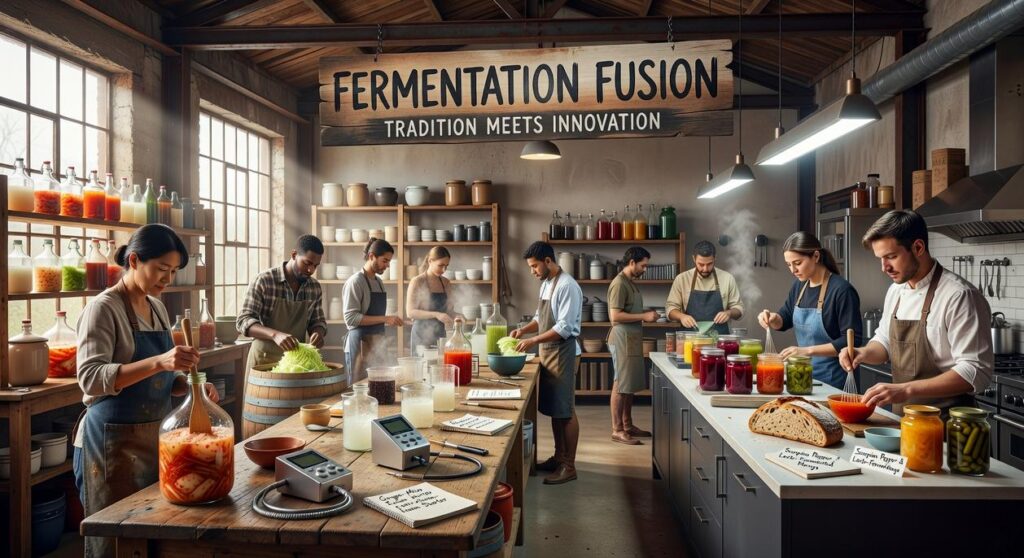
Fermentation—the controlled transformation of food by beneficial microbes—has moved from crocks in home kitchens to the heart of tasting menus. Kimchi, kombucha, and kefir introduced diners to lactic acid tang, gentle effervescence, and that elusive “funk” chefs call depth. In fine dining, fermented chili pastes enrich butter sauces, koji (a mold used to break down starches) tenderizes proteins, and house-made kombucha replaces wine pairings. The benefit? Layered flavor without heavier fats or excess salt (your palate—and blood pressure—notice). Research shows fermentation can enhance nutrient bioavailability and gut-friendly bacteria (Harvard T.H. Chan School of Public Health).
Mastering Open-Flame Cooking
Open-flame cooking harnesses direct heat to trigger the Maillard reaction—the browning process that creates complex savory notes. Techniques inspired by yakitori, satay, and barbacoa prioritize:
- Precise charcoal selection for controlled smoke intensity
- Skewer spacing for even caramelization
- Resting proteins to retain juices
The result is charred edges, smoky aroma, and concentrated sweetness. It’s the street food influence on fine dining in its purest, fire-kissed form.
Ingredient Spotlight – From Humble to Haute
Fresh masa from nixtamalized corn (treated with alkaline solution) delivers superior aroma and pliability compared to industrial cornmeal. Specialty chiles add measured heat and fruit notes, while fermented bean pastes contribute umami richness. These upgrades turn pantry staples into signature elements (proof that “humble” is often a marketing myth).
The Art of the Hand-Held
Tacos, bao, and arepas offer structured, multi-bite pacing. Chefs refine dough hydration, filling ratios, and temperature contrast for interactive dining. For more on evolving comfort trends, see the rise of plant based comfort foods in 2026.
Case Studies: Street Food Icons Reimagined
Fine dining’s latest obsession isn’t caviar towers or gold leaf—it’s the curbside classics we grew up loving. The real innovation lies in translation, not transformation: elevating technique and ingredients while preserving soul.
The Elevated Taco
A taco’s architecture—tortilla, protein, acid, heat—functions like culinary engineering. Swap carne asada for A5 Wagyu or fold in uni with salsa macha (a chile oil condiment studded with seeds and nuts), and you amplify fat and umami without collapsing structure. Some critics argue luxury ingredients erase the taco’s working-class roots. Fair. But when balance remains intact—corn’s sweetness, lime’s snap, chile’s hum—the result honors tradition rather than cosplays it. Pro tip: warm heirloom corn tortillas to release volatile aromatics before plating; aroma shapes perceived flavor (Spence, 2015).
Gourmet Ramen Broths
Chefs are borrowing French consommé clarification—using egg whites to trap impurities—to refine tonkotsu and shio. The payoff? Depth with translucence. Detractors say ramen should be cloudy and unapologetic. Yet clarity doesn’t mean dilution; it means precision. Think of it as Criterion Collection ramen (same story, sharper frame).
Deconstructed Banh Mi
By separating pâté mousse, pickled daikon-carrot relish, herb salad, and chile gel, chefs spotlight contrast—fat, acid, crunch, heat. Deconstruction, when thoughtful, becomes education on balance rather than Instagram theater.
Global Skewers
From anticuchos to tsukune, skewers concentrate flavor through proximity to flame. The street food influence on fine dining thrives here:
- Layered marinades for staged seasoning
- Textural contrast in a single bite
- Controlled char for bitterness balance
What others miss is restraint. Elevation works best when memory still leads the palate.
Formality used to mean white tablecloths and whispered conversations. Now, diners are tired of the stiffness (no one misses the judgmental glare for using the wrong fork). The casual, communal energy of street food influence on fine dining has cracked the door open. In other words, accessibility is the new luxury.
At the same time, educated palates—meaning globally informed taste preferences—demand bold, authentic heat, funk, and fermentation. Diners binge shows like Chef’s Table and expect depth everywhere. Yet frustration bubbles up when a $25 taco feels like hype over real substance. Value today hinges on story, sourcing, and skill—not plating.
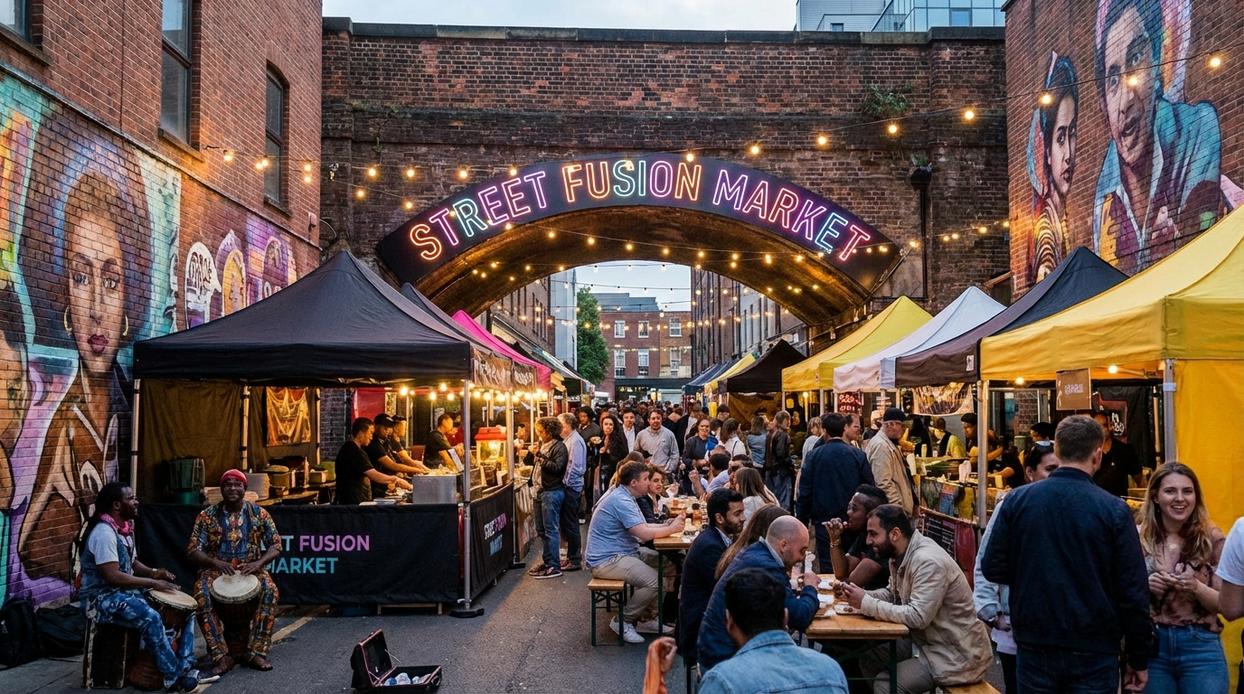
The future of flavor is on the pavement. For years, critics argued that white-tablecloth restaurants set the rules, while street vendors merely followed. However, that hierarchy has flipped. What chefs once dismissed as casual fare now fuels serious innovation. Street food—defined as ready-to-eat dishes sold in public spaces—prioritizes speed, bold seasoning, and resourcefulness (because rent is real). Skeptics say borrowing these ideas cheapens haute cuisine. Yet the opposite feels true. By channeling street food influence on fine dining, tasting menus—curated, multi-course samplers—gain urgency and soul. Think of it as Ratatouille in reverse: refinement learning grit. The exchange runs both ways.
Elevate Your Kitchen With Bold Flavor Moves
You came here looking for fresh culinary inspiration—new flavor fusions, smarter prep strategies, and techniques that actually make your cooking stand out. Now you have a clearer path forward.
From fermentation techniques that build depth to ingredient spotlights that spark creativity, you’ve seen how small shifts can create unforgettable meals. The rise of street food influence on fine dining proves that bold, globally inspired flavors aren’t trends—they’re the future of memorable cooking.
If you’re tired of repetitive meals or flavors that fall flat, the solution isn’t more recipes—it’s better strategy. Experiment with one new fermentation method this week. Swap a familiar ingredient for something unexpected. Build layers of flavor instead of relying on shortcuts.
Ready to transform everyday meals into buzz-worthy dishes? Join thousands of flavor-driven home cooks who trust our #1-rated culinary insights for practical, trend-forward guidance. Start exploring, start experimenting, and turn your kitchen into the most exciting spot in the house today.