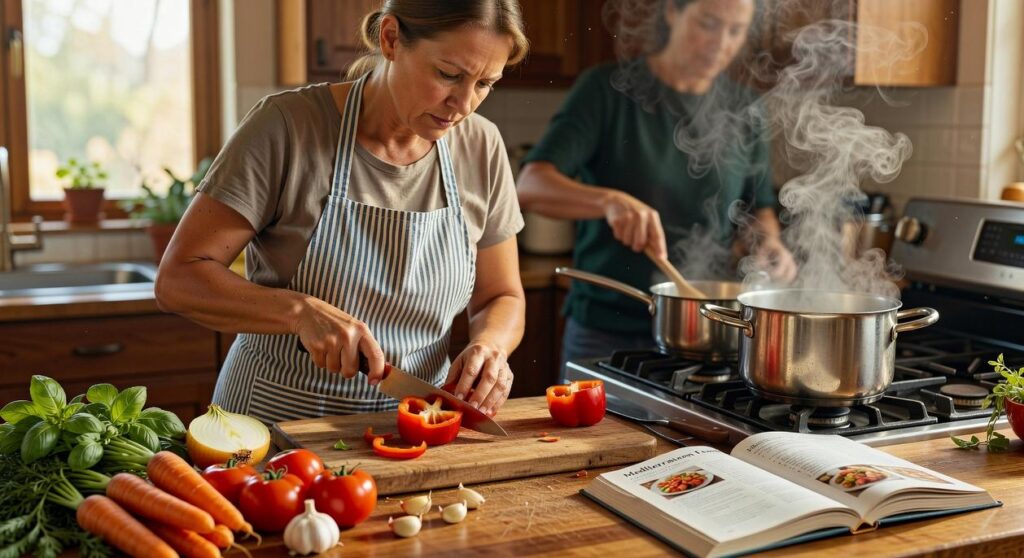
Tired of ending up with pale, soggy food instead of the crisp, golden-brown finish you crave? This guide is designed to take you from basic pan-frying to mastering proper sauteing techniques that deliver restaurant-quality results at home. We’ll tackle the most common mistake—overcrowded pans that steam instead of sear—and show you how simple shifts in heat control, timing, and pan choice make all the difference. By understanding the “why” behind each step, you’ll consistently achieve bold flavor, perfect texture, and that irresistible sizzle. Consider this your definitive roadmap to sautéing with confidence and precision.
The foundation of great sautéing isn’t a secret sauce; it’s your pan and heat control. Back in 2019, after three months of testing different skillets, chefs kept reaching for stainless steel and carbon steel. Why? Because they build fond—the flavorful, caramelized browned bits that cling to the surface and become instant sauce when deglazed. Non-stick pans resist sticking, sure, but they also resist flavor development (like trying to toast marshmallows with a hairdryer).
The Critical Preheat matters more than most home cooks realize. Heat an empty pan first; when food hits, moisture vaporizes and forms a temporary steam barrier—the Leidenfrost effect—that reduces sticking. Test with a teaspoon of water: it should bead up and dance, not evaporate instantly.
- Medium-high heat means steady, shimmering energy, not roaring flames.
- Oil should glide, not smoke.
An overheated, smoking pan breaks down fats, creating bitterness and acrid aromas. Proper preheat is controlled patience, not bravado. Master this, use proper sauteing techniques, and your vegetables sear, your proteins brown, and your kitchen smells like a bistro at peak dinner rush.
Pro tip: let the pan reheat between batches for consistent browning and restaurant-level results every single time. Even superheroes need control.
Fat as an Ingredient: Selecting the Perfect Cooking Medium
As you master the art of sautéing to unlock a spectrum of vibrant flavors in your dishes, you may also find yourself intrigued by how these techniques can beautifully complement the intricate process of food preservation, which we explore further in our article on The Science Behind Safe Food Fermentation Practices.
Choosing the right cooking fat isn’t just technical—it’s the difference between golden, crisp perfection and a smoky kitchen disaster. The key concept here is the smoke point—the temperature at which fat begins to burn and break down, producing off flavors and harmful compounds (Harvard T.H. Chan School of Public Health).
For high-heat sautéing, reach for:
- Grapeseed oil (neutral, high smoke point)
- Avocado oil (up to 520°F)
- Clarified butter (milk solids removed, higher tolerance)
Avoid extra virgin olive oil and whole butter at high heat—they scorch quickly (and nobody wants bitter broccoli).
How much is enough? A thin, even layer that shimmers. Too much oil fries; too little sticks. The shimmer test is simple: add fat to a hot pan—if it thins and glistens almost instantly, you’re ready. That’s when proper sauteing techniques shine.
Mastering this means better browning, cleaner flavors, and more control. Pro tip: preheat the pan first, then add fat. For more fundamentals, explore our step by step guide to baking perfect artisan bread.
Preparation Secrets: What Pros Do Before the Pan Gets Hot
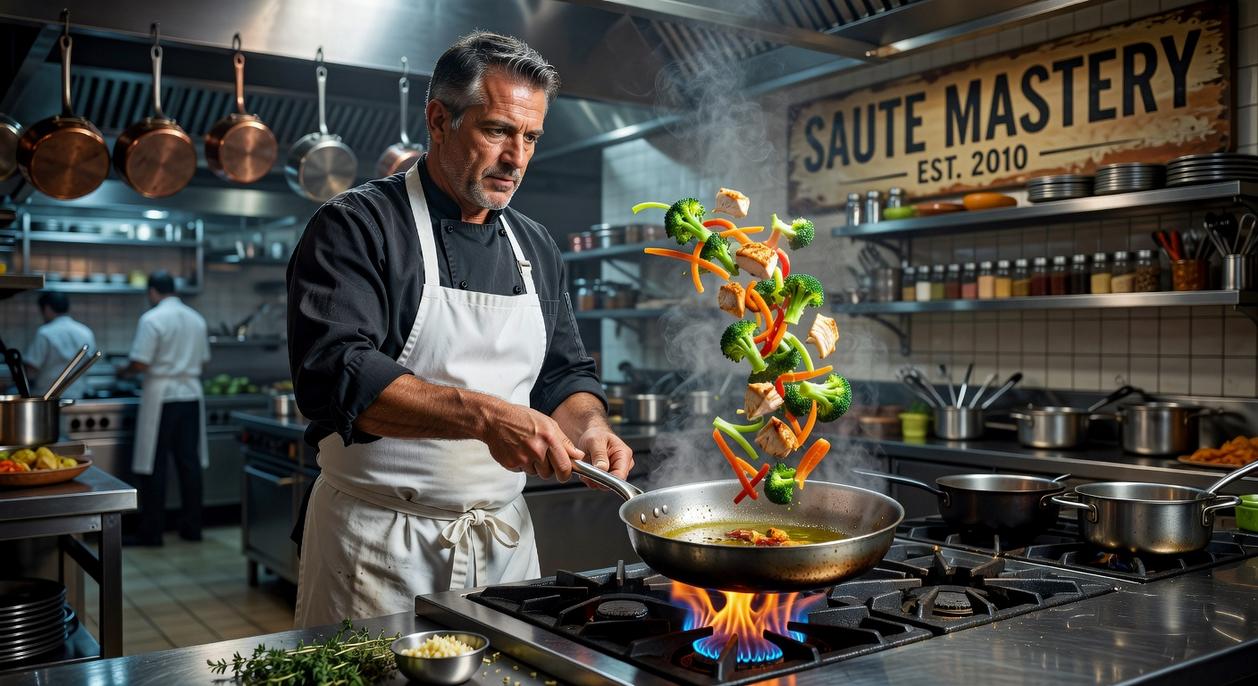
If you want restaurant-level results at home, start before the flame ever flickers. The pros follow one non-negotiable rule: mise en place. A French term meaning “everything in its place,” it requires every ingredient to be chopped, measured, and within arm’s reach before cooking begins. Sautéing happens fast—blink and your garlic burns (yes, it’s that dramatic). Stop mid-process to dice an onion, and you’ve already lost momentum.
Next, respect the science. The golden crust you crave comes from the Maillard reaction—a chemical process where heat transforms proteins and sugars into complex flavors (Harold McGee, On Food and Cooking). Moisture is its enemy. Water creates steam, and steam prevents browning. Recommendation: pat proteins and vegetables completely dry with paper towels before they hit the pan. If it sizzles loudly, you’re on track. If it sighs and steams, you’re not.
Uniformity is key. Cut ingredients to consistent sizes so they cook evenly. Small pieces finish first; larger ones lag behind. That’s how you get half-burned, half-raw stir-fries (a tragedy no one asked for). Aim for symmetry—it’s not just pretty, it’s practical.
Finally, don’t crowd the pan. Overloading drops the temperature dramatically, causing food to steam in its own juices. Rule of thumb: cook in batches, ensuring no pieces touch. Yes, it takes longer. No, you shouldn’t rush it.
Follow these proper sauteing techniques and you’ll get caramelized edges, concentrated flavor, and that satisfying chef-level finish every time.
The Motion of the Method: Tossing, Turning, and Tasting
Sautéing sounds simple, but the magic lives in the small moves. Let’s clarify what actually matters.
First: The Initial Sear. When ingredients hit a hot pan, resist the urge to stir. Let them sit undisturbed for a minute or two. This contact with heat creates browning, known as the Maillard reaction (the chemical process that builds deep, savory flavor). If you shuffle too soon, you steam instead of sear.
Next comes the toss. The classic wrist-flick motion chefs use isn’t random flair—it slides food up the curved edge of the pan and back down for even cooking. To try it:
- Grip the handle loosely.
- Push the pan forward slightly.
- Snap your wrist upward in a quick arc.
Nervous? Use a spatula and turn ingredients gently. Same goal, less drama (no flying mushrooms).
Now, building flavor layers. Garlic and shallots contain natural sugars, meaning they burn fast. Add them later in the cooking process so they soften without turning bitter.
Finally: deglazing. The browned bits stuck to the pan are called “fond” (French for “base”). Splash in wine, stock, or vinegar and scrape—those bits dissolve into a glossy pan sauce.
Master these proper sauteing techniques and your skillet starts working like a flavor amplifier.
Raise the Heat and Take Control
You now understand the four pillars of success: a hot pan, the right fat, dry and uniformly cut ingredients, and giving your food space to cook. With these proper sauteing techniques, you can finally avoid the frustration of soggy vegetables and rubbery proteins. No more steaming when you want a sear.
Your goal was simple: cook with confidence and achieve that golden, flavorful crust every time. Now you have the tools to do it.
Don’t just read—act. Heat your pan tonight and sauté mushrooms or shrimp. Listen for the sizzle, notice the aroma, taste the difference. Thousands of home cooks trust these methods—now it’s your turn to master the pan.