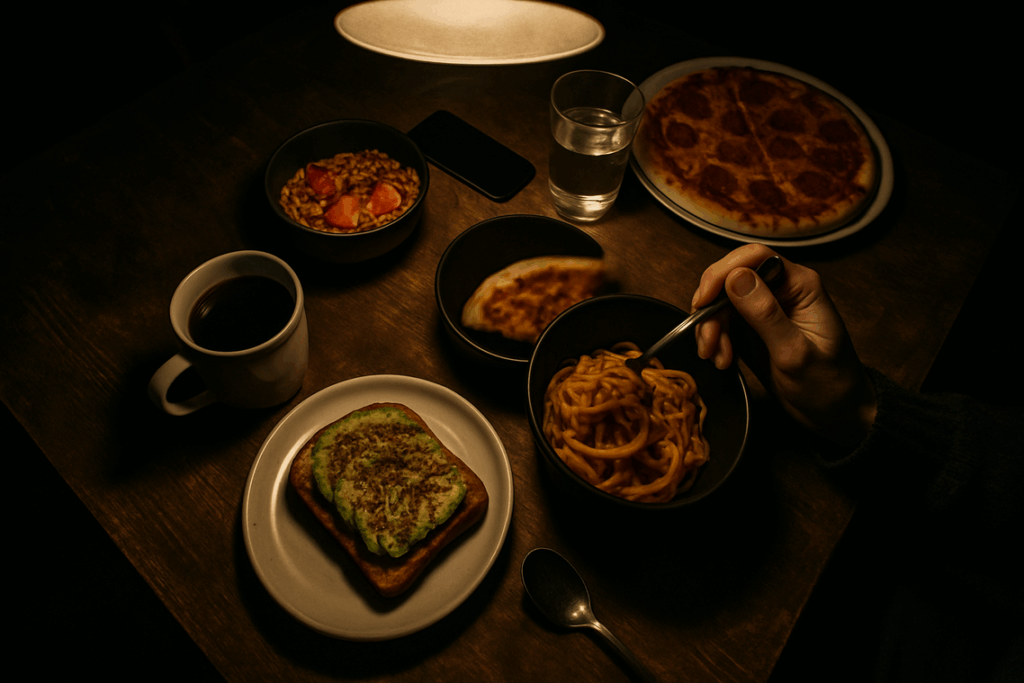
Food trends move fast—one week it’s all about whipped creations and the next it’s a global spice blend taking over home kitchens. If you’re searching for a clear breakdown of what’s actually shaping today’s culinary scene (and what’s just social media noise), you’re in the right place.
This article delivers a focused viral food trends analysis rooted in real-world kitchen application. We explore the flavor fusion concepts gaining traction, the fermentation techniques redefining depth and complexity, and the standout ingredients turning everyday meals into conversation starters. More importantly, we explain why these trends matter and how you can use them in practical, approachable ways.
Our insights are grounded in hands-on experimentation, continuous trend tracking, and close observation of emerging culinary conversations across digital and professional food spaces. Whether you’re a passionate home cook or simply trend-curious, you’ll walk away with clarity, context, and actionable ideas—not just hype.
Remember the cottage cheese and mustard plate that hijacked TikTok feeds overnight? Or the pastel ‘sleepy girl mocktail’ promising better rest in a mason jar? Moments like these spark cravings—but they also create confusion.
For consumers and brands alike, the real challenge is separating a fleeting fad from a lasting behavioral shift.
So how do you tell the difference? This viral food trends analysis breaks it down:
- Track repetition, not just reach.
- Watch grocery data and menu adoption.
- Identify emotional triggers driving shares.
Ultimately, understanding the culinary zeitgeist turns scrolls into smart choices. And shapes dining habits.
The “Swicy” Revolution: How Sweet Heat Conquered the Digital Palate
First, let’s define it. “Swicy”—a mashup of sweet and spicy—describes a flavor profile that balances sugar-driven comfort with capsaicin-fueled heat. Think gochujang-glazed wings, hot honey drizzled over pepperoni pizza, or chili crisp folded into maple-roasted nuts. The sweetness rounds out the burn; the heat keeps sugar from feeling cloying (nobody wants dessert masquerading as dinner).
Why It Thrives Online
Scroll TikTok or Reels and you’ll see it instantly: glistening sauces cascading over crispy chicken, slow-motion honey ribbons catching the light, the crackle of chili oil in ASMR-style close-ups. Short-form video rewards contrast—color, texture, and sound—and swicy delivers all three. Challenge formats (“add hot honey to everything”) and recipe duets amplify reach, turning one creator’s idea into thousands of riffs within days. This is viral food trends analysis in action: high sensory payoff plus low barrier to entry equals explosive replication.
So what does that mean for you? Start experimenting:
- Layer, don’t dump: Add heat gradually to a sweet base (e.g., honey + red pepper flakes).
- Use fermented heat: Gochujang or chili crisp adds depth, not just fire.
- Finish, don’t cook: Drizzle hot honey after baking for brighter flavor.
Meanwhile, grocery shelves reflect the buzz—swicy marinades, snack mixes, and dipping sauces now crowd condiment aisles. Fast-casual chains upsell it as a premium add-on for wings, grain bowls, even cocktails.
In short, swicy isn’t just a flavor. It’s a formula—visually striking, algorithm-friendly, and surprisingly easy to recreate at home.
Beyond Fusion: Third-Culture Cuisine in Action
Third-culture cuisine isn’t just fusion with better branding. Fusion often blends flavors from different places, sometimes superficially. Third-culture cuisine, by contrast, reflects the lived experience of chefs who grew up between cultures. Think kimchi quesadillas made by a Korean-Mexican cook drawing from family dinners—not a trend-chasing mashup. The food tells a story, and diners taste that authenticity.
This is why it thrives in long-form spaces. Unlike swicy, which pops on short feeds, third-culture creators win through narrative. YouTube deep dives, blog essays, and thoughtful newsletters build emotional investment. Viewers return for heritage, migration stories, and technique breakdowns (food with a backstory just hits differently). In viral food trends analysis, narrative depth consistently drives longer watch times and higher saves, signaling loyalty over curiosity.
Consumers are shifting from ordering “Thai” or “Italian” to following specific chefs. That loyalty translates into reservations at tiny pop-ups and sold-out specialty ingredients mentioned in recipes. Want to participate? Start by researching a chef’s background, then cook one signature dish at home. Source the exact chili paste or fermented bean they recommend, and note how technique shapes flavor. Pro tip: Ask your local grocer to stock those ingredients; demand often follows curiosity. Third-culture cuisine rewards attention—and tells you exactly where to look. It’s less melting pot, more memoir on a plate. And diners notice. Quickly.
The Fermentation Fixation: When Gut Health Becomes a Culinary Movement
The fermentation boom didn’t start in restaurant kitchens; it started in the gut. As conversations around gut health—the balance of bacteria and microorganisms in the digestive system—entered mainstream wellness culture, everyday cooks began turning to probiotic-rich foods like kimchi, kombucha, sourdough, and kefir. Probiotics, or live beneficial bacteria, are linked to digestive and immune support (Harvard Health Publishing). Naturally, food became both medicine and hobby.
At the same time, online engagement exploded. Process-driven videos—think bubbling sourdough starters or step-by-step kimchi tutorials—consistently rack up views because they blend education with transformation (before-and-after fermentation is oddly satisfying). “What I eat in a day for gut health” clips reinforce the idea that meals can be functional as well as flavorful. This viral food trends analysis reveals a clear pattern: audiences crave content that teaches skills while promising tangible wellness benefits.
However, skeptics argue that fermented foods are overhyped and that benefits vary by individual microbiome. That’s fair. Not every jar of kombucha is a cure-all. Yet consumer behavior tells a compelling story. According to Grand View Research, the global probiotic market continues steady growth, reflecting sustained demand.
Consequently, miso, tempeh, and kefir have shifted from specialty-store finds to meal prep staples. Miso-glazed salmon and tempeh stir-fries now anchor weekly menus. For a broader context, explore top global food trends shaping modern kitchens—fermentation is clearly more than a fad; it’s a flavorful strategy for modern living.
The Anatomy of a Digital Food Trend

If you’ve ever rushed to buy an ingredient only to find it SOLD OUT, you’ve felt the power of the modern food cycle. Platforms like Instagram and TikTok are visual-first ecosystems, meaning “camera-ready” dishes—think glossy glazes, molten cheese pulls, neon ube swirls—win the algorithm. (Yes, your beige casserole never stood a chance.) This is where viral food trends analysis becomes essential to understanding why certain dishes explode overnight.
But here’s the real hook: participation. The biggest hits don’t just get views; they spark copycats. “I tried the viral feta pasta” isn’t passive watching—it’s a challenge. And that loop drives real-world sales.
The frustration? Trends now sprint from discovery to saturation in days. Blink, and you’ve missed it. Remember when food fads lasted years?
What’s Next on the Global Menu?
The power shift is clear: food trends now rise from feeds, not food critics. Flavor mashups, authentic storytelling, and wellness goals collide online before landing on plates. Through viral food trends analysis, we see which conversations spark real behavior change.
Watch the edge where:
- sustainability meets smart kitchen tech
- global flavor exploration meets everyday meal prep
That’s where tomorrow’s staples quietly begin. The next breakout dish is already simmering online. Pay attention early.
Turn Flavor Curiosity Into Kitchen Confidence
You came here to stay ahead of what’s hot in the food world—and now you’re equipped with practical insights, smarter prep strategies, and a sharper understanding of viral food trends analysis. Instead of feeling overwhelmed by fleeting fads or confusing flavor mashups, you can confidently experiment, adapt trends to your taste, and make every meal more intentional.
The real challenge isn’t finding inspiration—it’s knowing which trends are worth your time, ingredients, and effort. With the right perspective, you stop wasting money on gimmicks and start creating dishes that actually deliver on flavor and efficiency.
Now it’s your move: put one new fusion idea to the test this week, try a fermentation technique you’ve been curious about, or upgrade your meal prep with a smarter system. If you want reliable, flavor-forward insights trusted by a growing community of food enthusiasts, keep exploring and put these ideas into action today. Your next standout dish starts now.