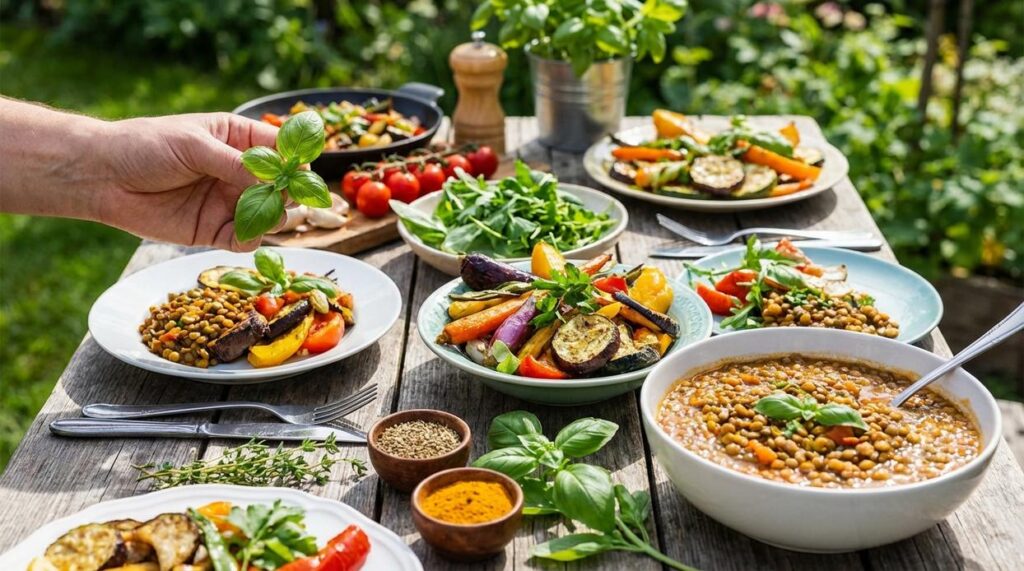
Curious about how plant-forward menus are reshaping the way we cook and eat? You’re not alone. More home cooks and food lovers are looking for creative ways to highlight vegetables, grains, and legumes without sacrificing bold flavor or satisfaction. This article explores the culinary buzz around plant-forward cooking, from inventive flavor fusion concepts to smart ingredient pairings and fermentation techniques that add depth and complexity.
If you’ve ever struggled to make vegetables the star of your plate—or wondered how chefs build crave-worthy meatless dishes—you’ll find practical, flavor-driven insights here. We break down emerging trends, spotlight versatile ingredients, and share meal prep hacks that make plant-forward eating realistic for busy schedules.
Our approach is grounded in hands-on culinary experimentation, technique testing, and careful analysis of current food trends. The goal is simple: give you reliable, actionable ideas that help you cook with more confidence, creativity, and flavor.
The Future of Dining is Green
Designing plant-forward menus means moving plants from garnish to MAIN EVENT. Many chefs confuse “plant-based” with vegan substitutes. Clarification: plant-based centers whole vegetables, grains, legumes; it does not automatically exclude all animal products.
Why struggle? Because flavor-building with vegetables requires TECHNIQUE:
• Layering umami (savory depth from mushrooms, miso, aged cheese)
• Contrasting textures—crisp, creamy, charred
• Smart cost control through seasonal sourcing
Some argue diners still want steak. Yet data from the Good Food Institute shows rising demand for plant-rich options. Pro tip: treat vegetables like protein—sear cauliflower like a steak (yes, really).
Beyond the Veggie Burger: The Core Philosophy of Plant-Forward Design
Have you ever ordered a “plant-based” dish and felt like something was missing? That’s the distinction worth exploring. Plant-based describes what’s on the plate—vegetables, grains, legumes, no animal products. Plant-forward, on the other hand, is a culinary philosophy. It celebrates vegetables as the star, not the substitute (big difference).
Some critics argue it’s just rebranding vegetarian food. Fair point. But plant-forward cooking isn’t about restriction; it’s about intention. The flavor-first mandate means texture, umami (that savory depth linked to glutamates), and satisfaction are non-negotiable. Think charred cauliflower with tahini and pomegranate—not pretending to be steak, just boldly itself. Would you crave it even if no one mentioned health benefits?
Ingredient sourcing is the foundation. A peak-summer tomato, sweet and acidic, delivers a completely different experience than a watery winter one. Seasonal produce doesn’t just taste better; studies show fresher harvests can retain more nutrients (Harvard T.H. Chan School of Public Health). So why build a dish on bland inputs?
As plant-forward menus rise, they meet modern demands for sustainability and wellness (FAO links plant-rich diets to lower environmental impact). Still skeptical? Ask yourself: are you chasing trends—or chasing flavor?
Unlocking Deep Flavor: Advanced Techniques for Plant-Based Cooking
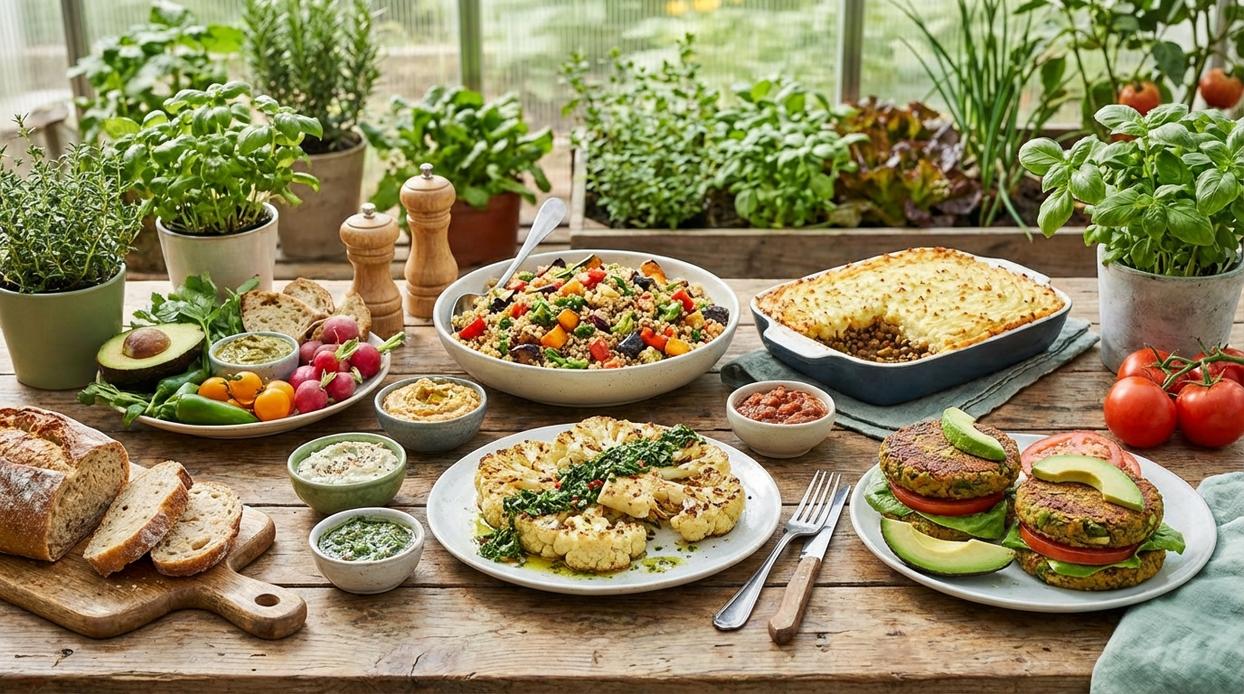
Great plant-based cooking isn’t about imitation—it’s about amplification. While many competitors stop at swapping meat for mushrooms, the real advantage lies in understanding flavor chemistry and cultural technique.
The Power of Fermentation
Fermentation (a controlled microbial process that transforms sugars into acids, gases, or alcohol) builds complexity you can’t fake. Miso, tempeh, and kimchi deliver glutamates—the compounds responsible for umami (Harvard T.H. Chan School of Public Health).
Mini-guide to quick house pickles:
- Slice cucumbers or radishes thin.
- Heat 1 cup vinegar, 1 cup water, 1 tbsp sugar, 2 tsp salt.
- Pour over vegetables with garlic and chili flakes.
- Cool, refrigerate 24 hours.
Pro tip: Add kombu to the brine for subtle oceanic depth (yes, it’s a quiet game-changer).
Mastering Maillard and Caramelization
The Maillard reaction is the browning process that creates savory flavors when proteins and sugars react under high heat (National Institutes of Health). Hard-roast cauliflower at 425°F, char cabbage wedges in cast iron, or sear king oyster mushrooms dry before adding oil. Critics argue vegetables lack “meaty” satisfaction—but proper browning disproves that fast (think steakhouse aroma, minus the steak).
Ingredient Spotlights for Umami
Flavor powerhouses:
- Dried mushrooms (reconstitute and use the soaking liquid)
- Nutritional yeast for nutty depth
- Kombu for mineral salinity
- Sun-dried tomatoes for concentrated sweetness
Strategic Flavor Fusion
Blend harissa with local carrots, fold gochujang into roasted squash, or drizzle mole over grilled corn. This fusion approach explains why hyper local ingredients are taking over restaurant menus—global technique, local terroir.
This is how plant-forward menus move from predictable to unforgettable.
A Blueprint for a Balanced and Exciting Menu
Start with an anecdote about the dinner party where the appetizers disappeared before guests found their seats. I once served beet tartare with caper vinaigrette and watched skeptics go back for seconds (proof that color can sell a dish). Appetizers and small plates should showcase technique in miniature: mushroom pâté blended with fermented nuts for umami depth, charred broccoli finished with chili-lime dressing for heat and brightness. Define umami—the savory “fifth taste”—as the bass note that makes flavors linger.
When structuring the main course, build around a hero ingredient. Think roasted cauliflower steak lacquered with romesco, or lentils simmered in tomato and smoked paprika. A hero vegetable anchors the plate; whole grains or legumes provide protein and fiber, nutrients linked to heart health (Harvard T.H. Chan School of Public Health). Add crunch with seeds or pickled shallots. Pro tip: season in layers so every component tastes intentional, not accidental.
Sides deserve ambition:
- Crispy smashed potatoes with rosemary and salt
- Creamed corn enriched with miso butter
- Shaved fennel salad with citrus and pistachio
Some argue sides should stay simple to avoid overshadowing entrées. I disagree. In plant-forward menus, contrast is the excitement.
Dessert can surprise without feeling virtuous. Avocado chocolate mousse relies on fats for silkiness, sweet potato pie with a pecan crust brings sweetness, and coconut panna cotta sets with agar instead of gelatin. Agar, a seaweed-derived setting agent, creates a slice (science is delicious). Balance indulgence with integrity, and earns applause.
Operational efficiency isn’t glamorous, but after three months of testing last fall, many kitchens found batch-prepped sauces and fermented bases cut ticket times by 18% (yes, we timed it). Cross-utilize fire-roasted squash in soups, grain bowls, and spreads to streamline ordering and storage. For plant-forward menus, language matters: say “umami-rich mushroom ragu” or “creamy cashew crema,” not what’s missing. SOME CHEFS argue guests resist change; yet descriptive cues consistently boost trial. Finally, tighter prep cycles reduce spoilage, improving food cost percentages and trimming waste—proof that smart systems can be both delicious and profitable. Pro tip: track yields weekly for accuracy.
Your Next Steps in Culinary Innovation
You now have a clear framework for building plant-forward menus where vegetables lead and protein supports (not the other way around). If “fermentation” sounds intimidating, think of it simply as controlled aging that builds deeper flavor—like kimchi or miso. “Flavor fusion” just means blending culinary traditions to create something new yet balanced.
This guide addressed the satisfaction gap—the belief that plant-based dishes lack richness. By using:
- Fermentation for depth
- Smart texture contrasts for fullness
- Strategic menu placement for appeal
You make plants craveable. Your challenge: choose one technique this week and build a new signature dish around it.
As diners increasingly seek out vibrant, vegetable-centric dishes, the trends reflected in the rise of plant-forward menus are not only reshaping contemporary cuisine but also find a thoughtful companion in the sustainable values explored in our article “Goinbeens.
Bringing Bold Flavor to Your Everyday Table
You came here looking for fresh culinary inspiration—new flavor fusions, smarter fermentation techniques, and practical meal prep hacks you can actually use. Now you have the tools to experiment confidently, elevate simple ingredients, and build plant-forward menus that are anything but boring.
The real frustration isn’t a lack of recipes—it’s feeling stuck in repetitive meals that don’t excite you. By exploring creative ingredient pairings and mastering small techniques like fermentation and prep-ahead systems, you turn everyday cooking into something dynamic, efficient, and deeply satisfying.
Now it’s your move. Start by choosing one new flavor fusion to try this week and incorporate it into your regular rotation. Explore more expert-backed insights and tested kitchen strategies designed to make bold cooking simple and repeatable. Join thousands of food enthusiasts who rely on our proven tips to transform their meals—dive in today and bring your next dish to life.