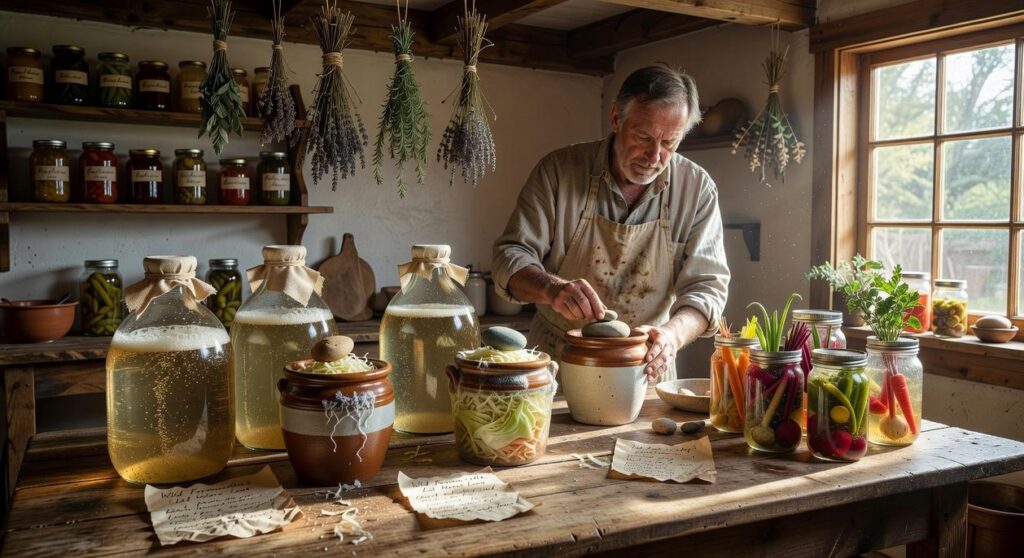
Curious about how modern kitchens are transforming everyday ingredients into bold, unforgettable dishes? This article explores the culinary buzz around flavor fusion concepts, ingredient spotlights, fermentation techniques, and smarter meal prep strategies—so you can bring restaurant-level creativity into your own home.
Whether you’re looking to experiment with global flavor pairings, understand the science behind wild fermentation methods, or simply streamline your weekly cooking routine, you’ll find practical, actionable insights here. We break down emerging food trends, explain why certain techniques work, and show you how to apply them with confidence.
Our approach blends hands-on kitchen experience with research-backed food science, drawing from tested techniques and real-world experimentation to ensure accuracy and flavor success. By the end, you’ll not only understand what’s trending in the culinary world—you’ll know exactly how to use it to elevate your next meal.
Start with Nature, Not Packets
Natural fermentation sounds mystical, but it simply means using microbes already present on food and in your kitchen. Fermentation is the process where bacteria or yeast convert sugars into acids, gases, or alcohol (think sourdough or kombucha).
Many guides obsess over lab precision. Here’s what they miss: flavor depth comes from managing environment, not buying starters. With wild fermentation methods, you focus on salt ratios, airflow, and time.
- Pro tip: Keep vegetables submerged to prevent mold.
Worried about safety? Proper salinity (2–3%) inhibits harmful bacteria, according to USDA research, while beneficial lactobacillus thrives naturally.
Harnessing Nature’s Microbes: The Science of Wild Fermentation
As we delve into the nuances of wild fermentation and natural starters, it’s fascinating to see how these traditional techniques are being embraced in contemporary cuisine, reflecting a broader trend towards plant-forward menus that celebrate bold, living flavors – for more details, check out our The Rise of Plant-Forward Menus in Contemporary Cuisine.
Wild fermentation (also called natural fermentation) is the process of using the yeasts and bacteria already present on your food and in the air to preserve and transform ingredients. No lab packets required. In contrast, controlled fermentation depends on added starter cultures—like commercial baker’s yeast—to produce predictable results.
The real heroes here are Lactic Acid Bacteria (LAB). These microbes convert sugars into lactic acid, lowering pH and creating that signature tangy flavor. Research published in Frontiers in Microbiology shows LAB can reduce pH below 4.6—the safety threshold that inhibits many harmful pathogens (FDA Food Code).
Some skeptics argue natural methods are risky or inconsistent. Fair point—nobody wants surprise mold. But evidence from centuries of sauerkraut, kimchi, and sourdough production demonstrates that properly salted environments reliably favor beneficial microbes.
• Salt suppresses spoilage organisms
• LAB thrive in low-oxygen conditions
• Acid production preserves texture and nutrients
The key takeaway? Natural fermentation is self-regulating. By creating the right conditions, wild fermentation methods allow good microbes to outcompete the bad (nature’s original quality control system).
Method 1: Lacto-Fermentation with Salt and Brine
This is the cornerstone method for most fermented vegetables, from sauerkraut to crunchy deli pickles. At its core, lacto-fermentation uses beneficial lactic acid bacteria (microbes that convert sugars into lactic acid) to preserve food and develop tangy flavor—no vinegar required.
Sub-Method A: Dry Salting (Best for Cabbage)
Ideal for high-water vegetables like cabbage.
- Shred cabbage finely.
- Weigh it, then add 2% non-iodized salt by weight (20g salt per 1kg cabbage).
- Massage thoroughly until liquid releases and forms brine.
- Pack tightly into a jar, pressing down until cabbage is submerged in its own brine.
As the salt draws out moisture through osmosis (water moving across cell membranes), it creates an anaerobic, or oxygen-free, environment—exactly what beneficial bacteria prefer. Pro tip: If brine doesn’t cover the cabbage within 24 hours, add a small 2% saltwater solution.
Sub-Method B: Brining (For Firmer Vegetables)
Perfect for carrots, cucumbers, or garlic.
- Prepare vegetables (wash and trim).
- Make brine using a 3% ratio (30g salt per 1 liter chlorine-free water).
- Pour over vegetables in a jar.
- Add a weight to keep everything submerged.
This method ensures consistent salt distribution, especially for dense produce.
Crucial Tips for Success
First and foremost, always use chlorine-free water—chlorine can inhibit beneficial bacteria (CDC confirms chlorine’s antimicrobial properties). Additionally, keep all solids below the brine to prevent mold. Ideal fermentation temperature ranges from 65–75°F (18–24°C), balancing safety and flavor development. While some debate wild fermentation methods versus starter cultures, salt-based fermentation remains reliably effective (and beautifully simple).
Method 2: Capturing Wild Yeast for Bubbly Beverages
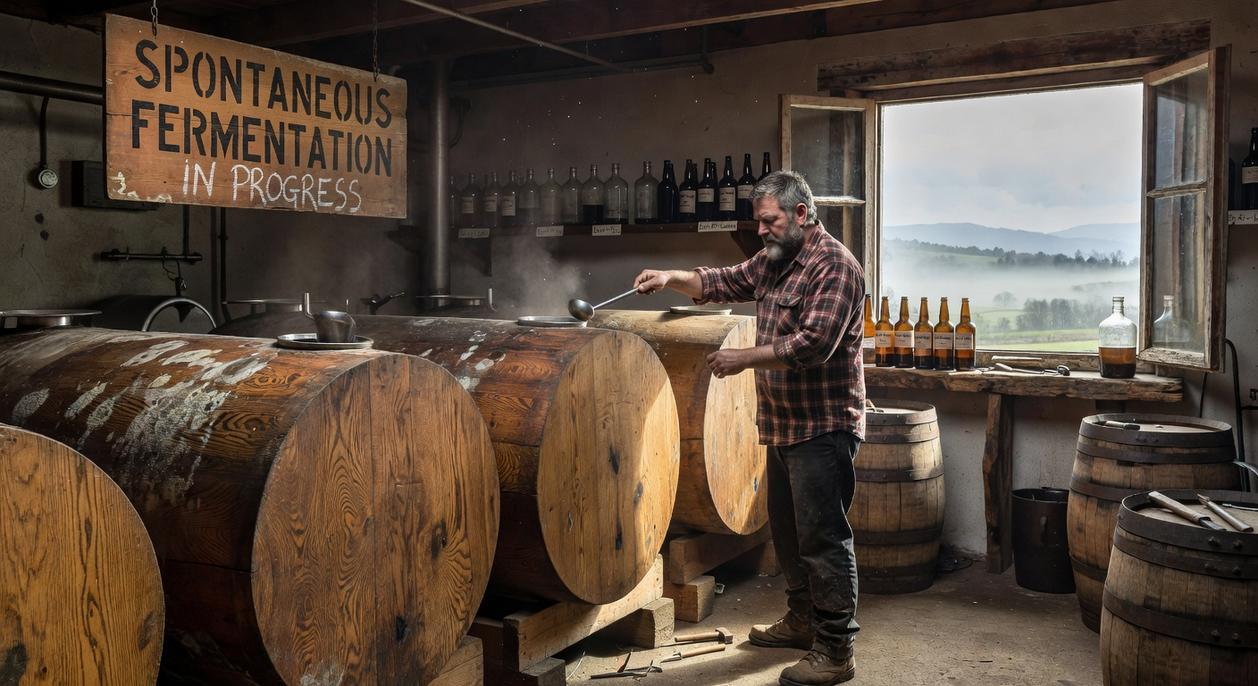
Most people assume carbonation requires commercial yeast or pricey equipment. Not quite. With wild fermentation methods, you can capture naturally occurring yeasts from your kitchen and turn them into lively, probiotic-rich sodas (yes, like a tiny science experiment on your counter).
The Ginger Bug Starter
A ginger bug is a simple culture of fresh ginger, sugar, and water that attracts wild yeast and beneficial bacteria.
- Combine 1 cup water, 1 tablespoon grated ginger, and 1 tablespoon sugar in a jar.
- Stir daily and “feed” with the same amounts for 3–5 days.
- When it smells lightly yeasty and bubbles form after stirring, it’s active.
Contrary to popular belief, you don’t need organic ginger. While some argue non-organic lacks microbes, ambient yeasts in your environment do much of the work anyway.
Turning It Into Soda
Strain a few tablespoons of active starter into sweetened herbal tea or fruit juice. Bottle tightly and ferment 1–3 days until fizzy. Ginger ale and raspberry fizz are reliable first batches. For deeper fermentation skills, explore how to ferment chili paste for deep complex flavor.
Troubleshooting
A thin white film? Likely Kahm yeast, harmless but skim it off. Fuzzy green or black spots? That’s mold—discard immediately. When in doubt, trust your nose (funky-good beats funky-bad every time).
Method 3: Working with Symbiotic Cultures (SCOBYs)
A SCOBY—short for Symbiotic Culture of Bacteria and Yeast—is essentially a self-contained fermentation ecosystem. Think of it as a living factory: yeast convert sugars into alcohol, and bacteria transform that alcohol into organic acids. The result? Tangy, probiotic-rich drinks backed by research showing fermented foods can support gut microbiota diversity (Frontiers in Microbiology, 2019).
Example A: Kombucha. To begin, sweetened black or green tea is cooled and combined with a kombucha SCOBY (also called a pellicle). During the first fermentation (7–14 days), microbes metabolize sugar, lowering pH and creating the base kombucha. In the second fermentation, the liquid is bottled with fruit or herbs; trapped carbon dioxide builds natural fizz (yes, that satisfying pop). Studies have identified Lactobacillus species and acetic acid bacteria as dominant strains (Food Microbiology, 2014).
Example B: Water Kefir. Unlike kombucha, water kefir “grains” ferment sugar water in as little as 24–48 hours. It’s dairy-free, fast, and ideal for probiotic sodas. Pro tip: Use wild fermentation methods carefully—clean jars matter.
Sourcing and Care. Acquire SCOBYs from trusted friends or fermentation communities. Keep them fed with fresh sugar solutions, avoid chlorinated water, and maintain room temperature for continuous batches.
Your fermentation journey starts in your kitchen. You now understand the three primary pathways to natural fermentation: using salt to transform vegetables, capturing wild yeast for bubbly drinks, and partnering with a SCOBY to brew tangy tea. These wild fermentation methods rely on real microbes, not packets, which means deeper flavor and diverse probiotics (the good bacteria linked to gut health, per Harvard Health).
Why it matters:
- Greater flavor complexity
- Living nutrients
- Creative control
Choose one simple project—a jar of sauerkraut or a ginger bug—and begin. Hands-on practice is the best teacher. Embrace the flavorful results fully.
Bring Bold Flavor Back to Your Kitchen
You came here looking for fresh culinary inspiration, smarter meal prep strategies, and deeper insight into flavor innovation. Now you have the tools to experiment confidently, explore wild fermentation methods, and rethink how ingredients work together on your plate.
If you’ve been stuck making the same meals on repeat or struggling to create dishes with real depth and character, you’re not alone. The difference between flat and unforgettable often comes down to technique, timing, and understanding how flavors evolve.
Now it’s your move.
Start applying one new fusion concept this week. Experiment with a fermentation project. Upgrade your prep routine so your kitchen works for you—not against you.
For more chef-level insights, trending flavor ideas, and practical hacks trusted by thousands of passionate home cooks, explore our latest guides and join our growing community today. Your next signature dish starts now.