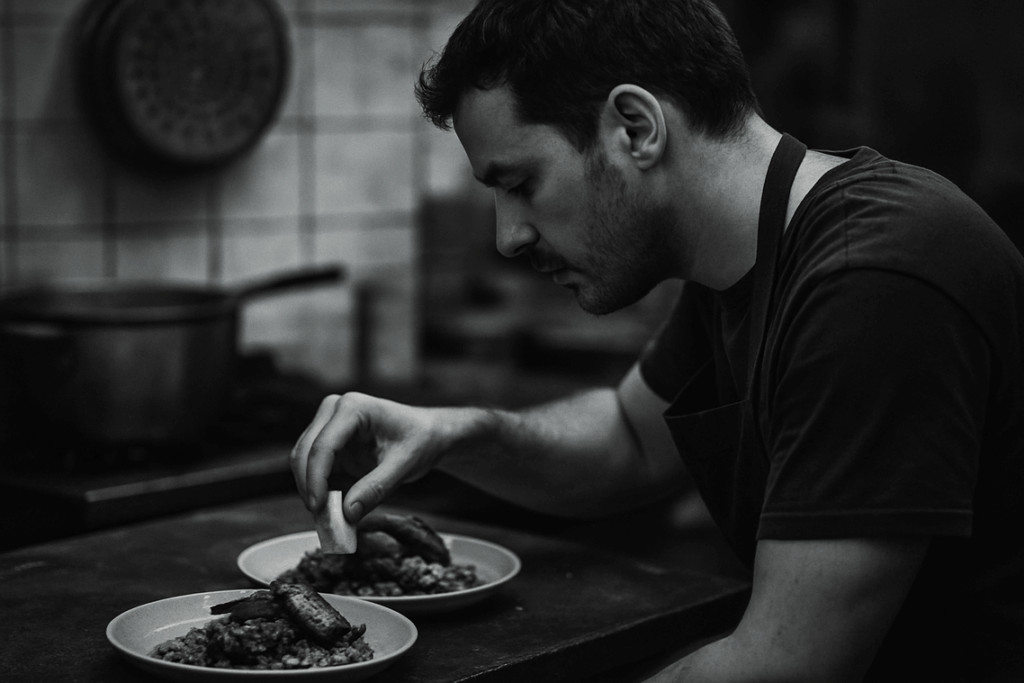
If you’re searching for fresh inspiration in the kitchen, you’re likely looking for more than just recipes—you want to understand the ideas, techniques, and flavor trends shaping what’s on the plate right now. This article dives into today’s biggest culinary buzz, from creative flavor fusion concepts to smart fermentation techniques and practical meal prep hacks that actually make cooking easier.
We break down how sweet savory flavor pairings are redefining modern dishes, spotlight standout ingredients worth experimenting with, and explain how small technique shifts can dramatically elevate everyday meals. Whether you’re a curious home cook or a flavor enthusiast eager to push boundaries, you’ll find clear, experience-backed insights grounded in hands-on testing, research into global food trends, and real-world kitchen application.
By the end, you’ll not only know what’s trending—you’ll understand why it works and how to use it confidently in your own cooking.
Unlock a World of Flavor: The Simple Science of Pairing Tastes
Picture Thai green curry: creamy coconut, fiery chili, bright lime, fresh basil. Each bite feels complete—nothing missing, nothing overpowering. That balance isn’t magic; it’s method.
Many home cooks default to salt and fat. Safe? Yes. Memorable? Not quite (and your taste buds know it).
Here’s the shift: contrast vs harmony.
- A: Tomato + basil = familiar harmony
- B: Mango + chili = bold contrast
Both work. The difference is intention.
Understanding sweet savory flavor pairings lets you compare options side-by-side and choose impact over routine. In this guide, you’ll learn core complementary taste principles so you can experiment confidently—and finally escape bland repetition.
The Five Pillars: Understanding Your Flavor Toolkit
Every memorable dish rests on five basic tastes: sweet, sour, salty, bitter, and umami. Think of them as primary colors for your palate. Master them, and you can fix almost any bland meal (yes, even that rushed weeknight soup).
- Sweet (honey, fruit) softens sharp edges. It balances bitterness in dark chocolate and tames acidity in tomato sauce. If your chili tastes harsh, a drizzle of honey can round it out.
- Sour (citrus, vinegar) brings brightness. It cuts through richness and fat—like squeezing lemon over fried fish to keep it from feeling heavy.
- Salty (sea salt, soy sauce) enhances and deepens other flavors. Proper salting doesn’t make food taste salty; it makes it taste more like itself.
- Bitter (coffee, dark greens) adds complexity and cleanses the palate. A little bitterness in arugula salad keeps sweetness from becoming cloying.
- Umami (mushrooms, aged cheese) is the savory depth often described as “meaty.” It increases satisfaction and fullness (see research from the National Institutes of Health: https://www.ncbi.nlm.nih.gov/books/NBK459455/).
Understanding these pillars helps you experiment confidently with sweet savory flavor pairings and adjust dishes on the fly. If something tastes flat, ask: which pillar is missing? Add it strategically, taste again, and repeat until balanced.
The Art of the Perfect Pair: How to Balance and Contrast Flavors
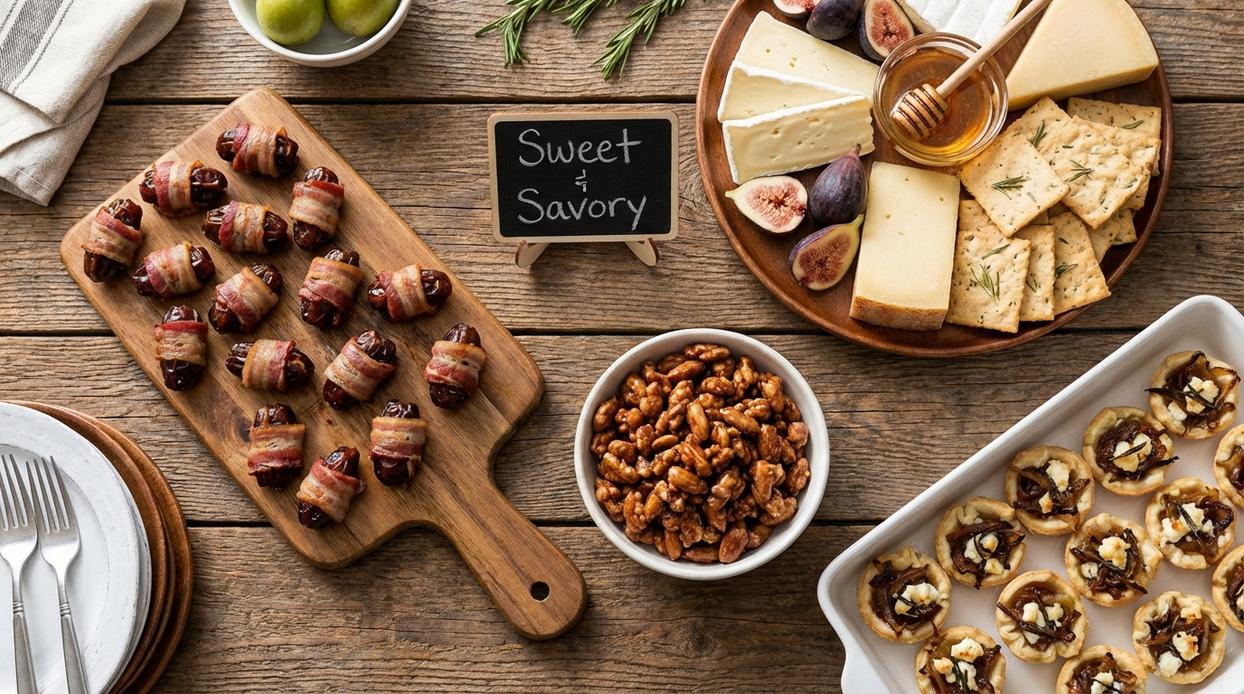
Flavor pairing is about balance, not just adding more ingredients. Focus on two main strategies: complementing and contrasting.
Complementary Pairing (Harmony) means building on similarity. Earthy mushrooms with thyme feel grounded and savory. Sweet tomato with basil tastes like summer. I love this approach because it feels safe but deeply satisfying. Some critics argue harmony is boring, that excitement requires shock. I disagree. When done well, similarity amplifies aroma compounds that already overlap, a phenomenon food scientists call flavor synergy (Ahn et al., 2011).
Contrasting Pairing (Dynamic Tension) is where dishes become memorable. This is the heart of sweet savory flavor pairings. Sweet + Salty: salted caramel, prosciutto and melon, because salt intensifies sweetness by suppressing bitterness (Breslin & Beauchamp, 1997). Sour + Fat: lemon vinaigrette on a rich salad, lime over tacos, since acid cuts richness and resets the palate. Bitter + Sweet: dark chocolate with raspberries or a sweet dressing on bitter greens. I find contrast thrilling; it keeps you guessing, like a plot twist in a great film. Pro tip: add acid or salt gradually, tasting as you go, to avoid overpowering the dish. Isn’t that the real art of cooking?
Balance, to me, is less about rules and more about intention. You choose whether a dish whispers or shouts. Both have merit. But without contrast or harmony, food tastes flat, no matter how many ingredients you pile on. That is why I always start with two anchors and build around them. Simplicity sharpens every single bite.
Beyond the Tongue: The Crucial Role of Aroma and Texture
We love to talk about taste as if the tongue runs the whole show. It doesn’t. What we call flavor is a blend of taste (sweet, salty, sour, bitter, umami), aroma (what you smell), and texture (how food feels). In fact, researchers estimate that up to 80% of flavor perception comes from smell (Harvard Health Publishing). So no, taste isn’t everything.
Aroma as a Flavor Layer
In my kitchen, aroma is the real scene-stealer. Garlic hitting hot oil, onions caramelizing, fresh cilantro chopped at the last second—these aren’t extras; they’re foundational. Aromatics build a base note that supports everything else. Think of them like the soundtrack in a film (yes, even your weeknight pasta deserves cinematic energy). Without aroma, even clever sweet savory flavor pairings fall flat.
Some argue great ingredients should “speak for themselves.” I disagree. Layered aromatics amplify quality—they don’t mask it. Pro tip: bloom spices in fat for 30 seconds to unlock fat-soluble flavor compounds.
The Importance of Texture
Texture is the unsung hero. Creamy + Crunchy? Avocado toast with flaky salt. Soft + Firm? Tender steak with a seared crust. A single-note texture is boring. Contrast keeps every bite interesting (and memorable). If flavor is music, texture is rhythm.
Global flavor fusion means borrowing techniques and ingredients across cuisines to create dishes that feel both familiar and new. The simple rule: pair by function. If a recipe calls for lemon juice, swap in rice vinegar for an Asian twist on a classic vinaigrette. You keep the acidity but gain subtle sweetness and depth. This approach unlocks creative confidence and helps you master sweet savory flavor pairings without starting from scratch.
Fermented ingredients like kimchi, miso, and yogurt deliver layered taste. Fermentation is a controlled process where microbes transform sugars into acids, alcohol, or gases, building tang and umami. The benefit? More complexity with less effort.
Try one versatile staple:
- Miso glaze: whisk miso paste with honey and soy sauce for salmon.
- Soup base: stir a spoonful into vegetable broth.
- Salad dressing: blend with olive oil and vinegar.
One ingredient, multiple upgrades, and noticeably better meals all week for you.
Great meals aren’t magic; they’re method. Start with the five tastes—sweet, salty, sour, bitter, and umami (that deep, savory richness found in mushrooms or aged cheese). Then add contrast: creamy with crunchy, rich with bright. Finally, elevate everything with aroma and texture, because scent shapes flavor before the first bite.
In other words, you’re no longer stuck in a loop of bland dinners. By understanding sweet savory flavor pairings and simple contrasts, you gain control.
So this week, choose one meal. Add a squeeze of lime to a hearty stew and taste the transformation. Notice how brightness cuts richness. Instantly.
Bring Bold Flavor to Every Bite
You came here looking for fresh inspiration to master sweet savory flavor pairings and turn everyday meals into something unforgettable. Now you have the ideas, techniques, and ingredient insights to confidently balance contrast, depth, and harmony on every plate.
No more bland dishes. No more second-guessing whether flavors will clash. When you understand how sweetness enhances salt, how acidity sharpens richness, and how fermentation builds complexity, you stop cooking on autopilot—and start cooking with intention.
The next step is simple: choose one pairing you discovered today and test it in your next meal prep session. Experiment, adjust, and taste as you go. If you want more chef-inspired ideas, trending flavor combinations, and practical kitchen hacks trusted by thousands of home cooks, explore our latest guides now and start transforming your kitchen into a playground of bold, balanced flavor.