Standing in the produce aisle, you spot a weird, bumpy “heirloom” tomato next to the regular ones. Ever wondered, “What’s the big deal? Is this really worth the extra bucks?” You’re not alone.
I’m here to break down the mystery of heirloom vegetables benefits. These quirky veggies aren’t just trendy; they’re packed with flavor and surprising environmental perks. I’ve spent years diving into the culinary world, learning how ingredients with a history can raise a dish from decent to unforgettable.
Why trust me? Because I’m obsessed with culinary exploration. And believe me, these veggies can transform your kitchen game.
By the end, you’ll know why heirloom vegetables are worth a try but feel inspired to grab some and experiment. Ready to spice up your cooking adventures? Let’s get started.
Heirloom Vegetables: What’s the Deal?
Ever wondered what makes a vegetable “heirloom”? It’s not just about being old or having a funky shape. The term “heirloom” refers to open-pollinated varieties handed down through generations, often for at least 50 years.
Think of them like a treasured family recipe. They’re not just grown; they’re nurtured, with each seed carrying a story.
Now, let’s talk about hybrids. Modern hybrids are bred for traits like uniform size and disease resistance. Great for shelf life, but flavor?
Not always. It’s like comparing a home-cooked meal to a mass-produced microwave dinner. Heirlooms offer a rich mix of flavors and nutritional diversity, something hybrids often lack.
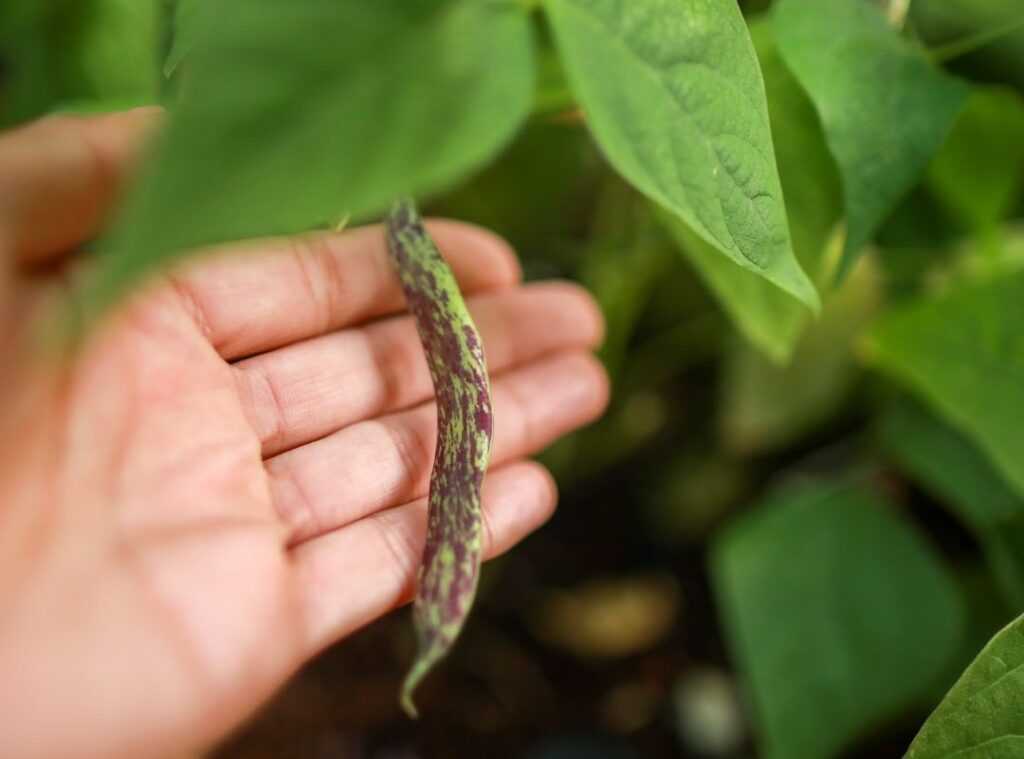
Take the ‘Cherokee Purple’ tomato or ‘Dragon Tongue’ bean. Their names alone spark curiosity and hint at the stories behind them. These aren’t just vegetables; they’re pieces of history on your plate.
And let’s be honest, who doesn’t love a good story with their meal?
Curious about how heirlooms tie into modern culinary trends? Check out Flavor Fermented Ingredients for a deep dive into mixing tradition with innovation. In the end, exploring heirloom vegetables benefits your taste buds but also keeps a piece of culinary history alive.
The Flavor Explosion: Why Heirlooms Are Worth the Hype
When it comes to flavor, heirloom vegetables are in a league of their own. They’re not just better. They’re an experience.
Imagine biting into a standard tomato. It’s fine, right? Now try an heirloom tomato.
It’s like tasting fireworks. You get notes of smoke, fruit, and an acid-to-sugar balance that’s, frankly, perfect.
Take cucumbers. A regular one has that familiar watery crunch. But a ‘Lemon’ cucumber?
Sweet, almost like a melon. It’s like nature decided to show off. And carrots!
The typical orange carrot is fine, but have you tried a ‘Purple Dragon’ carrot? It’s nutty and lively. It’s like the difference between store-bought cookies and homemade ones.
Texture and Aroma: The Unsung Heroes
Texture and aroma are where heirlooms really shine. A ‘Brandywine’ tomato is creamy, almost like butter. A ‘Glass Gem’ corn kernel?
Crisp and juicy with a satisfying pop. These are not just vegetables. They’re little culinary adventures.
Ever notice how a standard carrot smells? Now take a whiff of a fresh heirloom. It’s a whole different story.
Why do they taste so much better? It’s simple. Heirlooms were bred for flavor, not for surviving a cross-country truck ride.
This is their primary purpose. They remind us of what vegetables should taste like.
The heirloom vegetables benefits go beyond taste. They’re about reconnecting with real food. Food that makes you stop and appreciate every bite.
Food that doesn’t just fill you up but makes you feel alive.
So next time you’re at the market, grab an heirloom. Taste the difference. Feel the texture.
Smell the aroma. You’ll understand why chefs and foodies obsess over them. They’re not just vegetables.
They’re a celebration of flavor.
Beyond the Taste: Nutritional and Environmental Perks
As if incredible taste wasn’t enough, heirloom vegetables pack a punch with their nutritional benefits. Ever notice the lively colors in these veggies? Those deep purples, reds, and oranges aren’t just for show.
They signal a rich array of phytonutrients and antioxidants that you won’t find in their uniform, hybrid cousins. It’s like nature’s very own health code.
Let’s talk biodiversity. When you choose heirlooms, you’re not just picking a carrot or tomato. You’re supporting genetic diversity in our food supply.
This is key for food security and resilience against pests and climate change. Imagine voting with your fork for a healthier food system. That’s what you’re doing when you opt for these colorful gems.
It’s a small choice with big implications.
And here’s another kicker: heirlooms are often grown by small, local farmers. This means a smaller carbon footprint and a boost to the local economy. You’re supporting the little guys who care about the planet, not just profit.
It’s a win-win situation.
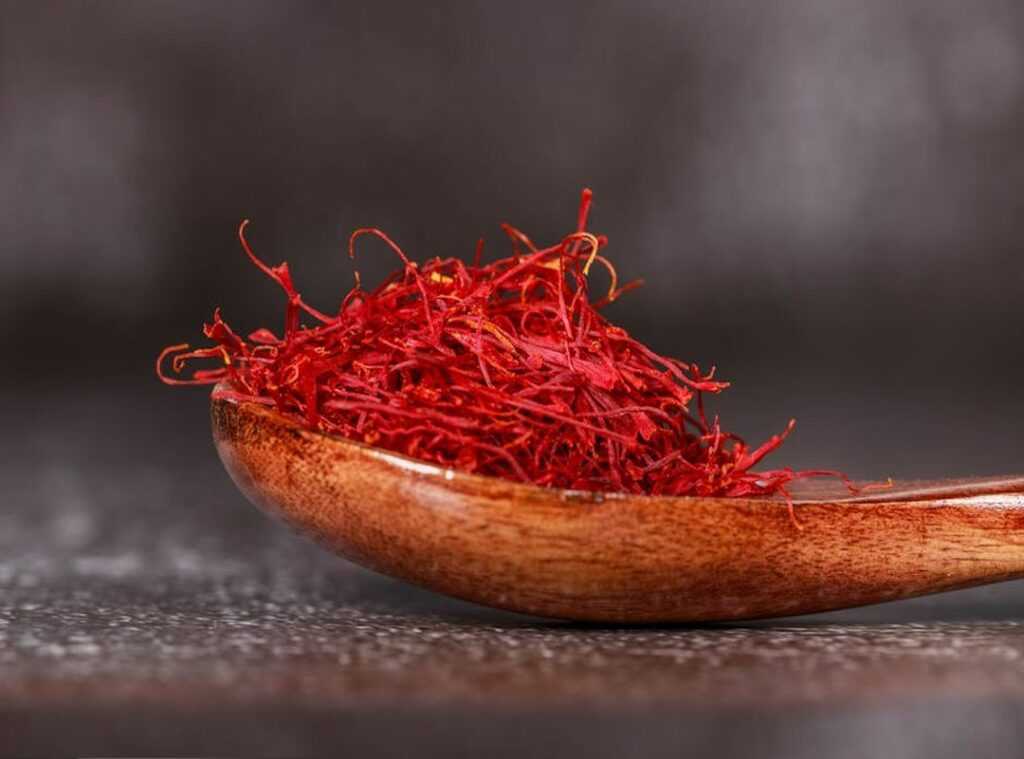
There’s a whole world of flavors out there waiting to be discovered. Just think of the power exotic spices can bring to your dishes. If you’re curious about how to make your meals more exciting, check out this branded link.
It’s all about exploring new tastes and expanding your culinary horizons.
So next time you’re at the market, reach for those heirlooms. They’re more than just pretty faces. They’re packed with benefits for you and the environment.
Why settle for less when you can have it all? Heirloom vegetables benefits are real, and they’re delicious too.
Bringing Heirlooms Home: The Hidden Gems of Flavor
Let’s talk heirlooms. These aren’t your typical supermarket finds. You’ll often discover them at farmers’ markets, and here’s a tip: chat with the farmers.
They know their stuff and might share a recipe or two. Community Supported Agriculture (CSAs) is another goldmine, along with specialty grocery stores. Or you could grow your own (talk about fresh).
When you bring these beauties home, don’t drown them in heavy sauces. You want to taste the true essence of each variety. Take tomatoes, for example.
A simple drizzle of good olive oil and a sprinkle of sea salt lets the flavor shine. Beans? Light steaming works wonders.
Now, let’s shake it up with flavor fusion. Those candy-striped ‘Chioggia’ beets? Slice them thinly and toss them raw into a salad.
Their crunch and color? A showstopper. Or why not quick-pickle ‘Dragon Tongue’ beans?
They keep their crunch and add a unique twist to any dish.
Why does all this matter? Well, there’s a lot packed into heirloom vegetables benefits. Their flavors are unique, yes, but they also tie us to history and tradition.
Experimenting is where it gets fun. You can’t go wrong. The kitchen is your playground.
Flip through a few old cookbooks or get creative with what you have on hand. Who knows? You might stumble on your new favorite dish.
Curiosity led me down this path, and it just might do the same for you. Taste memories are made here. Ready to dig in?
Discover a World Beyond Ordinary Produce
We’ve untangled the mystery of the produce aisle and found the lively world of heirloom vegetables. They solve the age-old dilemma: stick with the familiar or dive into something new. Choosing heirlooms is for those craving more flavor and a genuine connection to their food.
The heirloom vegetables benefits go beyond taste; they offer environmental perks too. So, next time you roam a farmers’ market, grab that odd carrot or striped tomato. Your taste buds will thank you.
Ready for your flavor adventure? Try it. And let your meals become more than just food.
Dive in now.
 Founder & Culinary Innovation Director
Ask Syldric Rendall how they got into meal prep hacks and you'll probably get a longer answer than you expected. The short version: Syldric started doing it, got genuinely hooked, and at some point realized they had accumulated enough hard-won knowledge that it would be a waste not to share it. So they started writing.
What makes Syldric worth reading is that they skips the obvious stuff. Nobody needs another surface-level take on Meal Prep Hacks, Flavor Fusion Concepts, Culinary Buzz. What readers actually want is the nuance — the part that only becomes clear after you've made a few mistakes and figured out why. That's the territory Syldric operates in. The writing is direct, occasionally blunt, and always built around what's actually true rather than what sounds good in an article. They has little patience for filler, which means they's pieces tend to be denser with real information than the average post on the same subject.
Syldric doesn't write to impress anyone. They writes because they has things to say that they genuinely thinks people should hear. That motivation — basic as it sounds — produces something noticeably different from content written for clicks or word count. Readers pick up on it. The comments on Syldric's work tend to reflect that.
Founder & Culinary Innovation Director
Ask Syldric Rendall how they got into meal prep hacks and you'll probably get a longer answer than you expected. The short version: Syldric started doing it, got genuinely hooked, and at some point realized they had accumulated enough hard-won knowledge that it would be a waste not to share it. So they started writing.
What makes Syldric worth reading is that they skips the obvious stuff. Nobody needs another surface-level take on Meal Prep Hacks, Flavor Fusion Concepts, Culinary Buzz. What readers actually want is the nuance — the part that only becomes clear after you've made a few mistakes and figured out why. That's the territory Syldric operates in. The writing is direct, occasionally blunt, and always built around what's actually true rather than what sounds good in an article. They has little patience for filler, which means they's pieces tend to be denser with real information than the average post on the same subject.
Syldric doesn't write to impress anyone. They writes because they has things to say that they genuinely thinks people should hear. That motivation — basic as it sounds — produces something noticeably different from content written for clicks or word count. Readers pick up on it. The comments on Syldric's work tend to reflect that.