Saffron. That tiny jar sitting in your spice cabinet, daring you to use it. I get it.
It’s expensive, and nobody wants to mess it up. But you’ve got this jar of golden threads, and maybe you’re just not sure how to let them shine in your kitchen. I’ve been there, and I’ve made it my mission to demystify the world of saffron for home cooks like you.
I love exploring global spices and believe that ingredients like saffron shouldn’t be intimidating. You shouldn’t need to be a pro chef to enjoy its magic. This article isn’t just about paella or risotto.
It’s packed with creative, foolproof saffron recipes tips.
You’ll find fun and accessible ways to use every last thread. Ready to open up saffron’s magic? Let’s do it.
Saffron Secrets: Mastering Flavor Prep
Let’s be real. The biggest mistake people make with saffron is not prepping it right. I mean, you wouldn’t throw raw pasta into a salad, would you?
Improper preparation is the number one reason your saffron dish might fall flat. It’s not just a step. It’s the key to unlocking saffron’s potential.
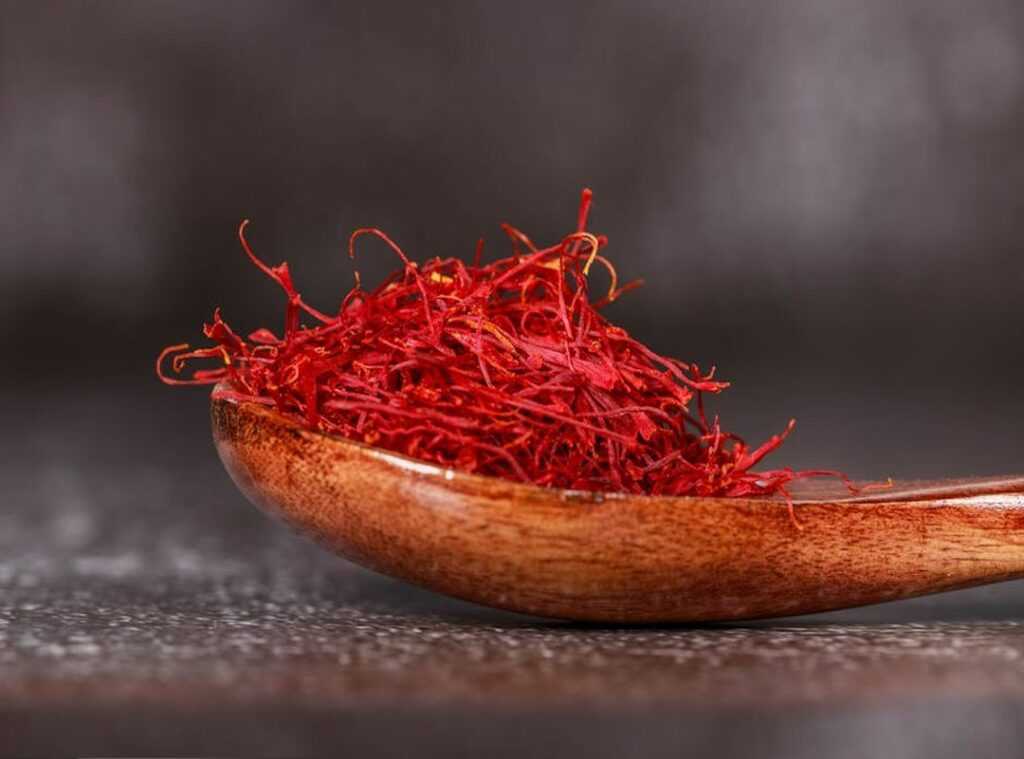
Here’s the golden rule: blooming. Gently crush a pinch of threads with a mortar and pestle (or just use the back of a spoon if you’re lazy like me). Then, steep those crushed threads in warm liquid.
Warm, not boiling.
Why warm? The heat releases saffron’s key compounds: color (crocin), flavor (safranal), and aroma. This magic happens in about 15-20 minutes.
You have options. Water, broth, milk, or even white wine, depending on your recipe.
Now, about the threads vs. powder debate. Threads win every time. They deliver superior quality and flavor.
Powder can be sneaky, often mixed with fillers and losing potency faster. So please, stick with threads.
“But how much is a pinch?”, you ask. Good question. In saffron talk, that’s typically 15-20 threads.
That little amount is enough for a dish serving 4-6 people. Crazy, right? Less is more when it comes to saffron.
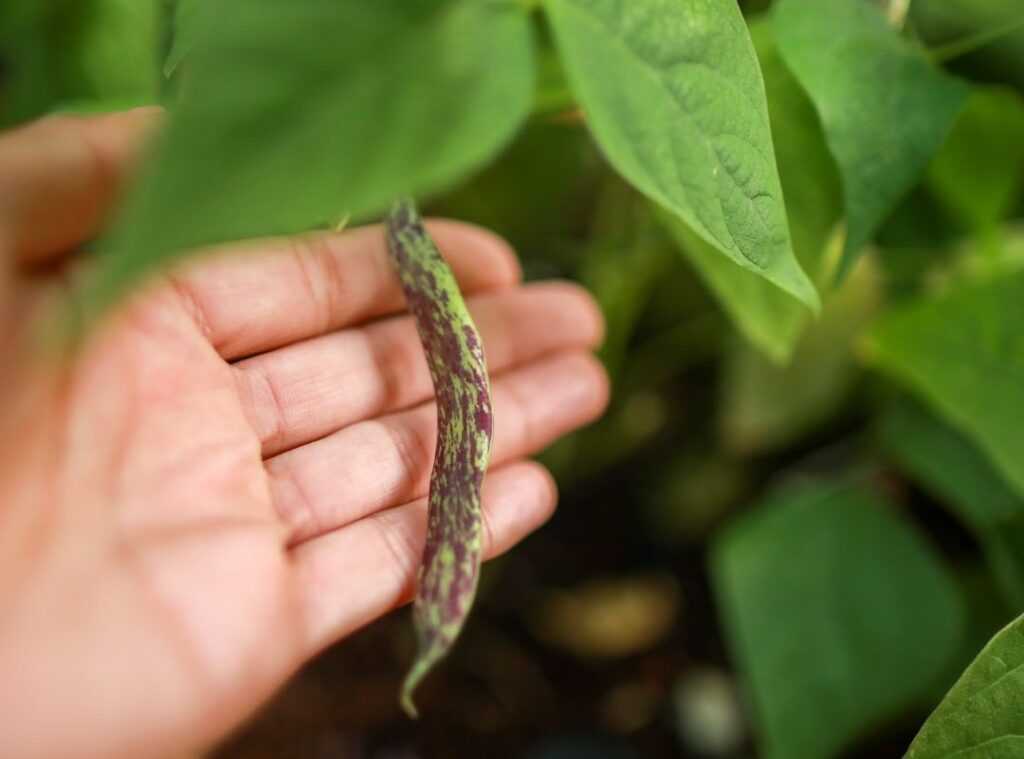
Oh, and if you’re into exploring other ingredients, check out Heirloom Vegetables Cooking Health Benefits. It’s a different world of flavor possibilities.
So, get your saffron right, and you’ll never go back. It’s one of those saffron recipes tips that sticks with you.
The Classics, Reimagined: Where Saffron Shines
When you think saffron, you probably think of Paella. I mean, who doesn’t? Paella without saffron is like a concert without music.
It’s not just for that vivid yellow hue. Saffron delivers an earthy, floral punch that dances with the seafood and spices. If you’re curious about how to use saffron in everyday cooking, this is a good place to start.
Now, let’s chat about Risotto alla Milanese. The creamy, starchy rice that just melts in your mouth owes a lot to saffron. It complements the Parmesan and butter perfectly.
You could almost describe it as comfort in a bowl.
Moving east, Persian Tahdig is a saffron showcase. Not just a side dish, it’s the main event. That crispy rice crust, subtly kissed by saffron, is a game changer.
Saffron doesn’t just stop with rice. It’s a game-changer in French Bouillabaisse. That broth, brimming with seafood, gets a luxurious depth from saffron.
It’s like a warm hug for your taste buds. Similarly, in Moroccan Tagines, saffron mingles with spices, creating layers of flavor that feel like a journey.
Or bloom it before steaming mussels.
And have you thought about saffron with proteins? It’s subtle yet enhances chicken or seafood flawlessly. Try a saffron marinade on chicken kebabs.
I love saffron recipes because they aren’t just about taste. They’re about transforming the ordinary into extraordinary. So, are you ready to experiment with these saffron recipes tips?
Flavor Fusion: Unexpected & Modern Saffron Pairings
Saffron isn’t just for paella or risotto. It’s a bold bridge ingredient that can connect unexpected flavors. Imagine infusing saffron into everyday dairy.

Why not? A saffron-yogurt sauce over grilled lamb sounds like a winner. Or maybe saffron-infused butter to melt over steak or corn on the cob.
You can even whip up a saffron cream sauce for pasta. Easy, right?
But let’s not stop there. Think about pairing saffron with citrus and aromatics. A saffron-orange vinaigrette for your salads?
Yes, please. Or a saffron-ginger marinade for fish. It’s like giving your taste buds a little vacation.
Ever tried using saffron in fermentation? This is where things get really interesting. Add a few threads to a second ferment of kombucha or a simple pickle brine for carrots or cauliflower.
It gives an exotic twist that’s hard to forget.
And don’t overlook the magic of a saffron-infused simple syrup. It’s a game changer for drinks. Raise your cocktails, like a gin and tonic, or even non-alcoholic drinks like lemonade or iced tea.
Is this all too new for you? I get it. But sometimes, the best flavors come from taking risks.
This isn’t just about following recipes. It’s about creating something uniquely yours.
For those who crave more inspiration, check out the Power Exotic Spices page. It dives deeper into these ideas and more. Saffron recipes tips aren’t just for the adventurous.
They’re for anyone willing to think outside the spice rack. So, are you ready to shake things up in the kitchen? Because I am.
Let’s make saffron the star it deserves to be.
Saffron’s Sweet Side: Desserts & Drinks That Dazzle
Saffron in desserts? Yes, it’s a thing. And it’s fantastic.
Swedish Saffron Buns, or Lussekatter, are a personal favorite. These buns are rich, slightly sweet, and that golden hue is just stunning. You know what else works?
Adding a pinch of saffron to shortbread cookie dough. It turns a simple cookie into something special. (And let’s not forget vanilla cake batter too.)
Let’s talk about custards and puddings. Saffron pairs beautifully with dairy and spices like cardamom. Ever tried Indian Kheer?
It’s a rice pudding where saffron just shines. Or how about a saffron panna cotta? That creamy texture with a hint of saffron is a match made in heaven.
Ice cream lovers, listen up. A saffron-vanilla bean ice cream base is a game-changer. Bold statement?
Maybe. True? Absolutely.
On to drinks. A simple saffron tea with honey and lemon is comforting and warm. Perfect for a chilly evening.
But if you’re feeling indulgent, try a saffron “golden milk” latte. Mix it with turmeric and ginger for a drink that’s both cozy and exotic.
Pro tip: Always remember, a little saffron goes a long way. It’s not just a spice; it’s an experience. Want more saffron recipes tips?
Keep experimenting. the magic happens.
Let Saffron Lead Your Culinary Adventure
You’ve got the full playbook now. Classic dishes to wild, creative twists. Those little saffron jars?
They’re not scary anymore. They’re exciting. You know how to prepare it, pair it, and love it.
The true value of saffron? Unlocked.
But don’t just sit there. This week, try something simple. Saffron-infused butter or maybe saffron tea.
Dive in. Let that golden spice shine on your plate.
And hey, you’ve got this. Need more saffron recipes tips? You know where to look.
It’s time to cook with fearless saffron confidence. Go ahead, you won’t regret it.
 Culinary Trends Analyst & Community Engagement Manager
Susan Isaacsiconsany has opinions about culinary buzz. Informed ones, backed by real experience — but opinions nonetheless, and they doesn't try to disguise them as neutral observation. They thinks a lot of what gets written about Culinary Buzz, Flavor Fusion Concepts, Ingredient Spotlight Ideas is either too cautious to be useful or too confident to be credible, and they's work tends to sit deliberately in the space between those two failure modes.
Reading Susan's pieces, you get the sense of someone who has thought about this stuff seriously and arrived at actual conclusions — not just collected a range of perspectives and declined to pick one. That can be uncomfortable when they lands on something you disagree with. It's also why the writing is worth engaging with. Susan isn't interested in telling people what they want to hear. They is interested in telling them what they actually thinks, with enough reasoning behind it that you can push back if you want to. That kind of intellectual honesty is rarer than it should be.
What Susan is best at is the moment when a familiar topic reveals something unexpected — when the conventional wisdom turns out to be slightly off, or when a small shift in framing changes everything. They finds those moments consistently, which is why they's work tends to generate real discussion rather than just passive agreement.
Culinary Trends Analyst & Community Engagement Manager
Susan Isaacsiconsany has opinions about culinary buzz. Informed ones, backed by real experience — but opinions nonetheless, and they doesn't try to disguise them as neutral observation. They thinks a lot of what gets written about Culinary Buzz, Flavor Fusion Concepts, Ingredient Spotlight Ideas is either too cautious to be useful or too confident to be credible, and they's work tends to sit deliberately in the space between those two failure modes.
Reading Susan's pieces, you get the sense of someone who has thought about this stuff seriously and arrived at actual conclusions — not just collected a range of perspectives and declined to pick one. That can be uncomfortable when they lands on something you disagree with. It's also why the writing is worth engaging with. Susan isn't interested in telling people what they want to hear. They is interested in telling them what they actually thinks, with enough reasoning behind it that you can push back if you want to. That kind of intellectual honesty is rarer than it should be.
What Susan is best at is the moment when a familiar topic reveals something unexpected — when the conventional wisdom turns out to be slightly off, or when a small shift in framing changes everything. They finds those moments consistently, which is why they's work tends to generate real discussion rather than just passive agreement.