Ever cooked mushrooms only to end up with a soggy, tasteless mess? It’s frustrating, right? You’re not alone.
I’ve been there, staring at a pan of rubbery disappointment. But there’s hope! This article promises to transform your mushroom cooking game.
We’ll dive into the versatility mushrooms cooking offers, turning them from bland to bold. How? By revealing the best techniques for each situation.
I’ve spent years experimenting in my home kitchen, fueled by a deep passion for culinary exploration. Trust me, I’ve perfected these methods. This guide covers everything, from classic sautéing to adventurous techniques.
You’ll learn not just the ‘how,’ but the ‘why’ behind each method. Ready to become a more intuitive and confident cook? Let’s get started.
The Key to Mushroom Magic: Mastering Prep
Mushrooms are like those friends who are amazing when they show up ready, but a disaster otherwise. You might think the best cooking method makes up for poor prep, but that’s a myth as big as Jaws. I’ve learned this the hard way.
Have you heard the brush vs. rinse debate? Some folks treat mushrooms like they’re delicate relics, brushing off dirt as if they were dusting ancient artifacts. But let’s be real.
A quick rinse works, just dry them fast.
Now, imagine a party inside a pan. If it’s crowded, no one’s talking. Same with mushrooms.
They need space to brown, not steam. Ever tried sautéing and ended up with a soggy mess? That’s why.
Seasoning is another beast. Salt too soon, and you’re drawing out water, leaving them bland. Instead, salt at the end.
That’s peak flavor.
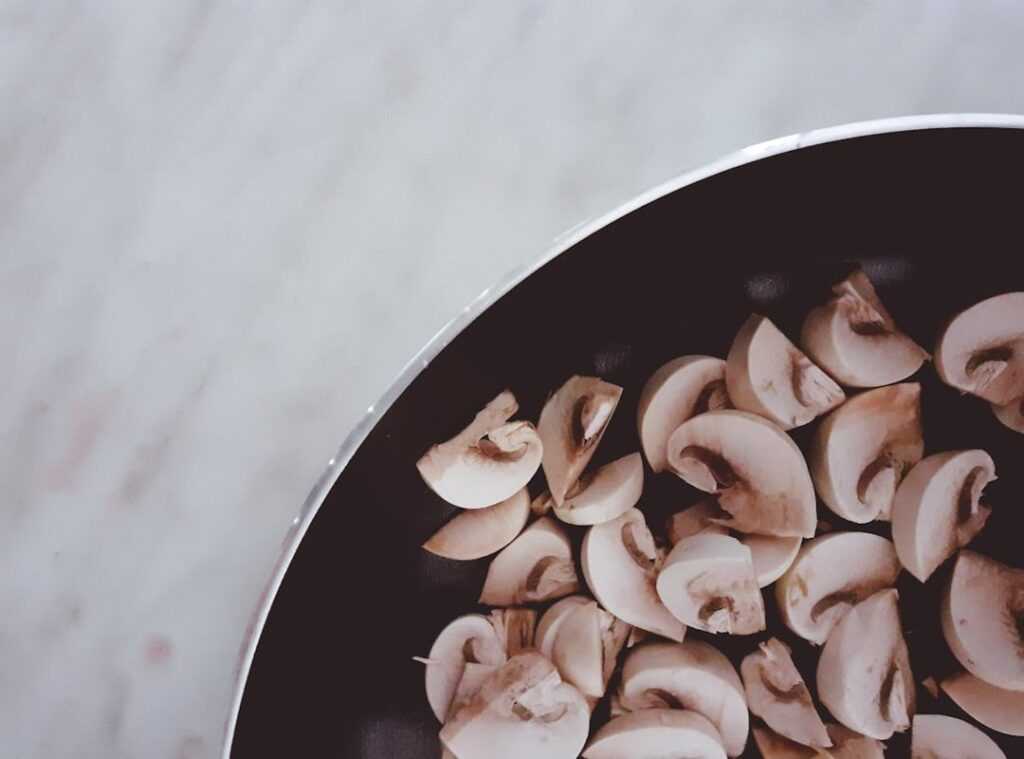
Cutting techniques? Keep it simple. Slicing creminis, scoring portobellos, leaving chanterelles whole.
Each has its own feel, like characters in a Tarantino film.
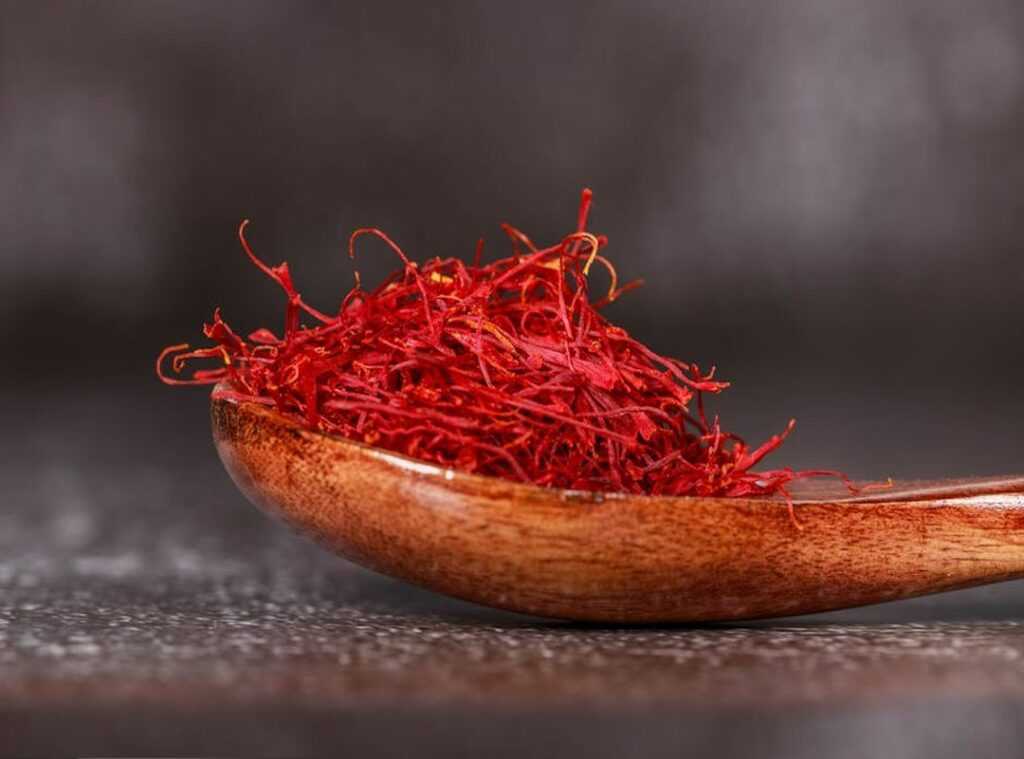
Mushrooms are versatile, just like the power exotic spices that transform dishes. So, when it comes to versatility mushrooms cooking, prep is the unsung hero, the foundation for all those earthy wonders.
The Classics: Mastering Stovetop Mushroom Methods
Mushrooms are a wild world of flavor. You know it, I know it. So how do you get the best out of them on a stovetop?
I’ve got three methods that transform these fungi into culinary wonders. Sautéing for a Perfect Sear is where it’s at for a crispy crust. You want that high heat, dry-pan-first method. Why?
It’s all about the Maillard reaction, which is just a fancy way to say “delicious brown crust.” Here’s how you do it: get your pan hot, add oil, and spread those mushrooms in a single layer. Don’t touch them. Seriously.
Let them sit so they can sear properly. Once they’ve got that golden-brown look, toss them. Easy peasy.
Now, let’s talk Sweating for Deep Flavor. This is the opposite of sautéing. We’re going low and slow here, perfect for soups, stews, and sauces.
What you’re doing is slowly releasing the mushrooms’ liquid and umami essence. It’s like unlocking a secret flavor vault. You start with a low heat and maybe a little butter.
Cover the pan to trap steam. As the mushrooms gently release their juices, you’re building a base that’s rich and complex.
Then there’s Pan-Roasting for a ‘Steak-Like’ Texture. This one’s for the big guys like portobello caps or king oysters. You want them meaty and satisfying.
Start with a hot sear to lock in juices, then finish with butter, garlic, and herbs. Basting is key. It’s like giving them a luxurious spa treatment.
Check out the best mushroom recipes eater staff for inspiration.
So there you have it. Versatility mushrooms cooking isn’t just a phrase; it’s a promise. Whether you’re crisping, sweating, or roasting, mushrooms adapt beautifully.
And that’s why we love them.
Hands-Off & Delicious: Oven and Grill Techniques
Ever tried roasting mushrooms at high heat? If not, you’re missing out. High-heat roasting (we’re talking 400-425°F) is a game changer.
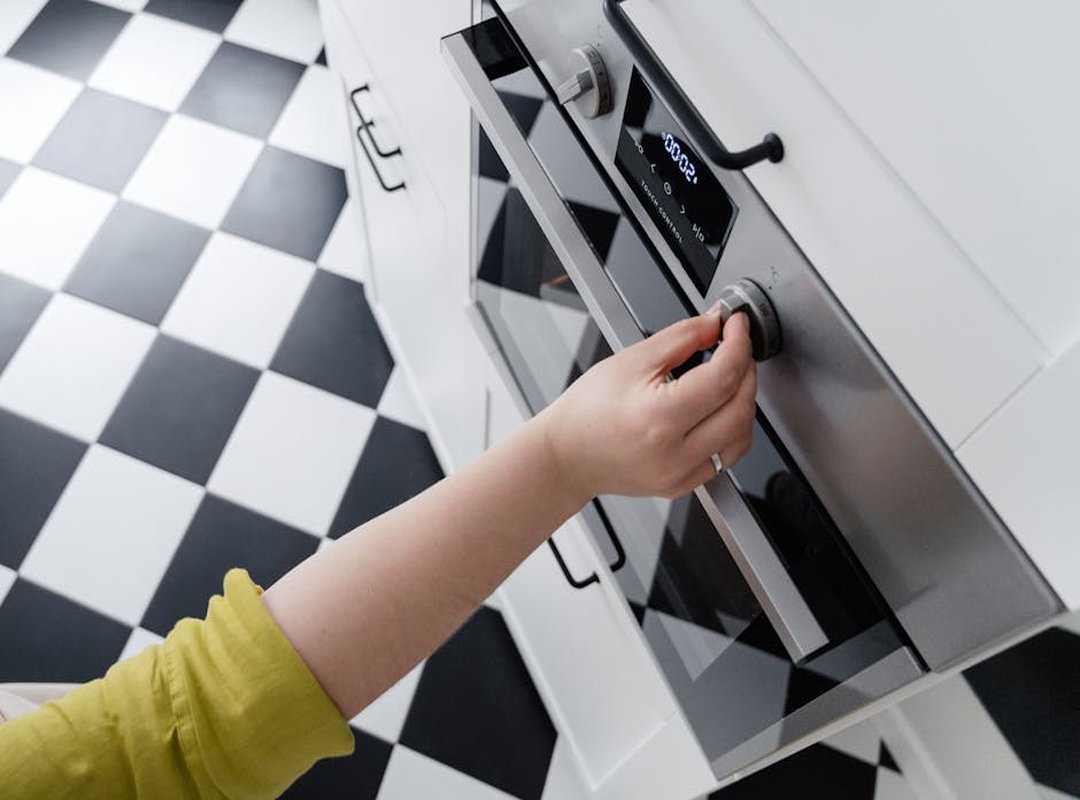
It drives off moisture and intensifies the earthy flavors of mushrooms. Toss them with a bit of oil and some herbs like rosemary and thyme. Spread them out on a baking sheet.
The result? Flavors so rich, you’ll wonder why you didn’t try this sooner.
Now, if you’re after that smoky char, grilling is the way to go. Perfect for summer cookouts or when you want that outdoor flavor indoors. Grilled mushrooms, especially on skewers, are divine.
A simple soy-ginger-garlic marinade can bring a global twist to your dish. And don’t forget about broiling. It’s an excellent indoor alternative that gives you that same grill-like finish.
What about portobello caps? They’re perfect as burger substitutes. Grill them whole, and you’ve got a juicy, smoky alternative that’s as versatile as it is delicious.
Speaking of versatility, mushrooms in cooking are like a blank canvas. They soak up flavors and transform dishes. Pairing ideas can raise your culinary game.
Imagine the earthy tones of roasted mushrooms with a hint of rosemary. Or the zing of soy-ginger on a grilled skewer. It’s all about finding that balance.
For those who love to experiment, check out these magic saffron recipes tips. They’re packed with ideas to inspire your next culinary adventure.
So, what are you waiting for? Whether it’s roasting or grilling, there’s a method here that’ll suit your taste. Remember, the secret is in the technique.
And with mushrooms, the possibilities are endless.
Try these methods, and you’ll see why mushrooms deserve a spot in your kitchen lineup. They’re a bold choice for any meal.
Beyond the Pan: Adventurous Mushroom Options
Ready to shake up your kitchen routine? to some modern mushroom magic. First up, air frying. It’s a game-changer.
Picture this: you toss mushrooms with panko, a sprinkle of your favorite seasoning, and a spritz of oil. Then, into the air fryer they go. No deep frying, just crispy goodness.
They satisfy that crunch craving without the guilt. You might even forget about potato chips (or at least I did).
Now, let’s talk quick-pickling. Sounds fancy, but it’s simple. Mix vinegar, water, sugar, and salt for a speedy brine.
Pour it over sliced mushrooms. Boom! You’ve got a tangy, umami-rich addition to salads, bowls, or sandwiches.
It’s like a little fermentation party without the wait. Who knew pickling could be so versatile? Mushrooms just keep proving their worth in unexpected ways.
And for those indulgent days? Deep-frying is your friend. Sure, it’s a treat, but oh, what a treat it is.
The key here is crispiness without the oil slick. Make sure your batter or breadcrumbs cling tight and fry at the right temp. It’s an art, really.
Mushrooms have this knack for versatility in cooking that keeps us coming back for more. So, step away from the pan and try something new. Your taste buds will thank you.
Cook Mushrooms Like a Pro
Now you know how to banish soggy, bland mushrooms forever. Mushrooms are tricky. They’re full of water and need the right technique to shine.
By managing moisture and applying heat correctly, you can open up their full potential. Versatility mushrooms cooking isn’t just a phrase; it’s a game-changer.
Don’t just read about it. Pick one new method from this guide. Grab some fresh mushrooms this week and give it a try.
Your taste buds will thank you. Want the best results? Visit kayudapu.com for more culinary secrets.
Transform your cooking today!
 Culinary Trends Analyst & Community Engagement Manager
Susan Isaacsiconsany has opinions about culinary buzz. Informed ones, backed by real experience — but opinions nonetheless, and they doesn't try to disguise them as neutral observation. They thinks a lot of what gets written about Culinary Buzz, Flavor Fusion Concepts, Ingredient Spotlight Ideas is either too cautious to be useful or too confident to be credible, and they's work tends to sit deliberately in the space between those two failure modes.
Reading Susan's pieces, you get the sense of someone who has thought about this stuff seriously and arrived at actual conclusions — not just collected a range of perspectives and declined to pick one. That can be uncomfortable when they lands on something you disagree with. It's also why the writing is worth engaging with. Susan isn't interested in telling people what they want to hear. They is interested in telling them what they actually thinks, with enough reasoning behind it that you can push back if you want to. That kind of intellectual honesty is rarer than it should be.
What Susan is best at is the moment when a familiar topic reveals something unexpected — when the conventional wisdom turns out to be slightly off, or when a small shift in framing changes everything. They finds those moments consistently, which is why they's work tends to generate real discussion rather than just passive agreement.
Culinary Trends Analyst & Community Engagement Manager
Susan Isaacsiconsany has opinions about culinary buzz. Informed ones, backed by real experience — but opinions nonetheless, and they doesn't try to disguise them as neutral observation. They thinks a lot of what gets written about Culinary Buzz, Flavor Fusion Concepts, Ingredient Spotlight Ideas is either too cautious to be useful or too confident to be credible, and they's work tends to sit deliberately in the space between those two failure modes.
Reading Susan's pieces, you get the sense of someone who has thought about this stuff seriously and arrived at actual conclusions — not just collected a range of perspectives and declined to pick one. That can be uncomfortable when they lands on something you disagree with. It's also why the writing is worth engaging with. Susan isn't interested in telling people what they want to hear. They is interested in telling them what they actually thinks, with enough reasoning behind it that you can push back if you want to. That kind of intellectual honesty is rarer than it should be.
What Susan is best at is the moment when a familiar topic reveals something unexpected — when the conventional wisdom turns out to be slightly off, or when a small shift in framing changes everything. They finds those moments consistently, which is why they's work tends to generate real discussion rather than just passive agreement.