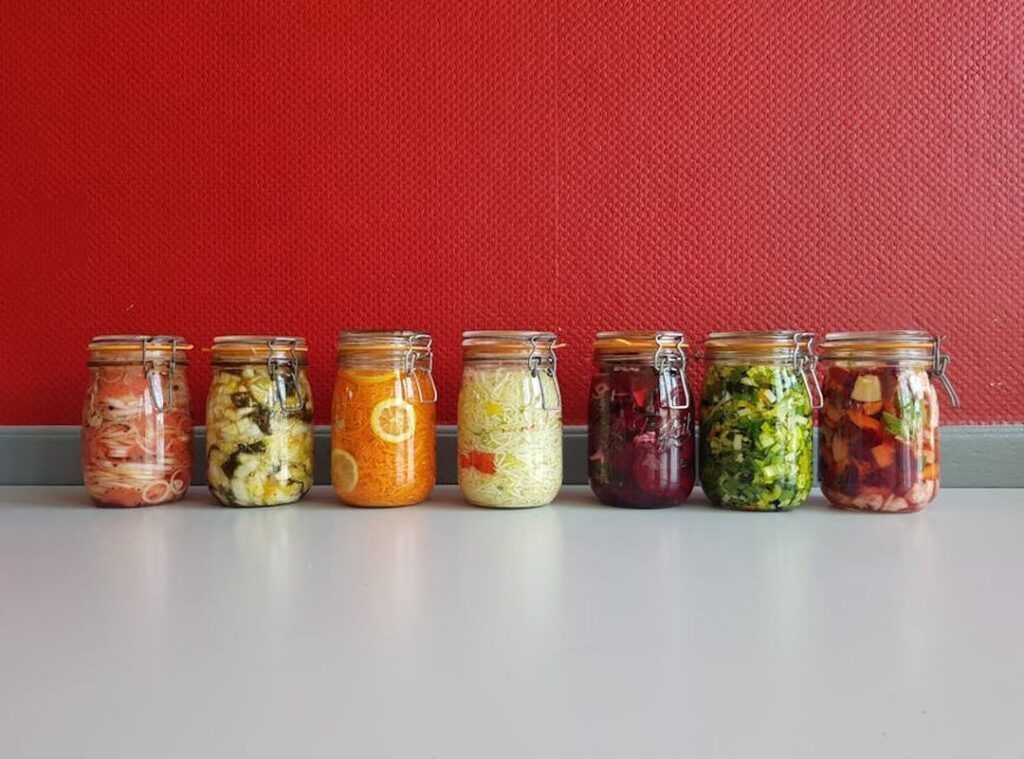
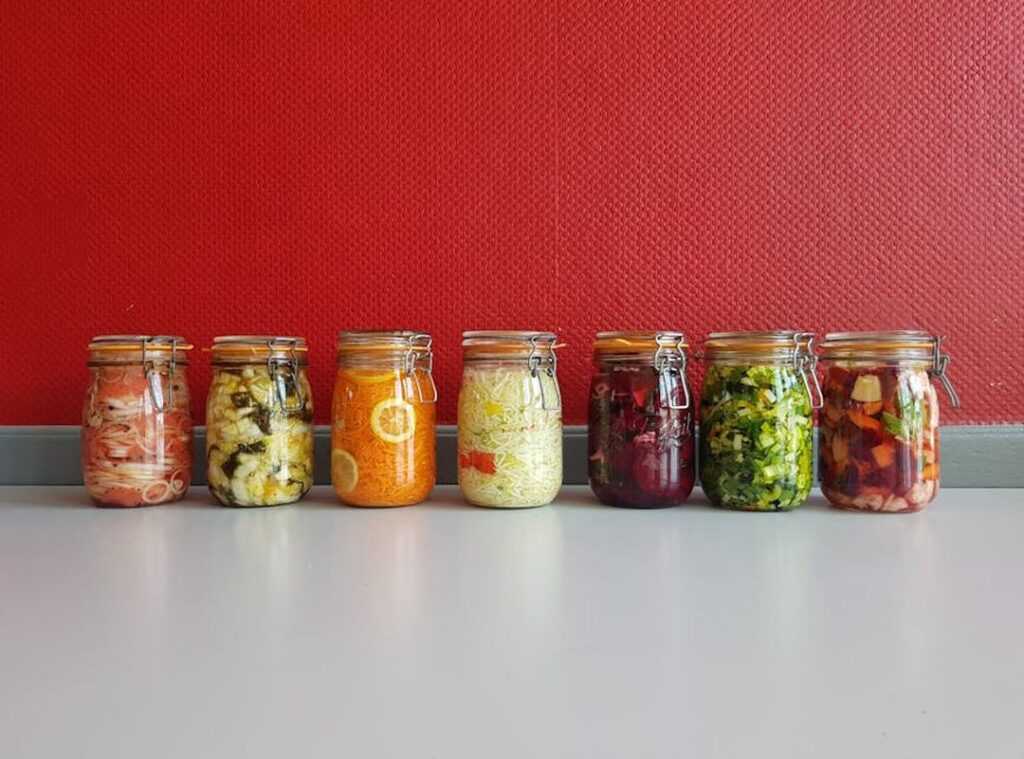
You want crisp, tangy, gut-loving fermented vegetables but feel overwhelmed by the process, right? I get it. The fear of spoilage or screwing up can stop anyone from even trying.
But, listen, I’ve spent years in our test kitchen, tweaking and perfecting fermentation techniques. I’ve faced those same fears and tackled them head-on.
This fermenting vegetables guide is your shortcut. It’s a foolproof, step-by-step map that simplifies everything. No more guessing or worrying about mold.
Yes, even as a beginner, you can trust these methods. Dive in, and let’s turn intimidation into confidence and flavor. You’ll be fermenting like a pro in no time.
Fermentation: A Beginner’s Guide to Getting Started
Let’s talk about lacto-fermentation. It’s all about those good bacteria, like lactobacillus. They convert sugars into lactic acid.
Think of it as nature’s way of preserving and flavoring food. It’s like having a tiny chef inside your jar. Unique flavors, extended shelf life, and probiotics that dance in your gut.
What’s not to love?
You’ll need some gear. Start simple: a glass jar and a smaller jar to weigh things down. Want to level up?
Go for fermentation weights and airlock lids. Weights keep veggies submerged. Airlocks let gas escape without exposing your batch to air.
It’s all about control, folks.
Now, for the ingredients. Vegetables, salt, and water are the holy trinity here. Use non-iodized salt like sea salt or kosher.
Why? Iodine can mess with the bacteria. Chlorine-free water is also key (chlorine) can kill these friendly microbes.
Oh, and speaking of bacteria, if you’re curious about how they work in dairy, check out this fermentation dairy products understanding. It’s fascinating stuff.
This fermenting vegetables guide can be your ticket to flavorful, health-packed creations. Who knew a simple jar could lead to such culinary adventures? Happy fermenting!
The Master Recipe: Step-by-Step Vegetable Fermentation
Fermenting vegetables is like discovering a secret world of flavors. to this fermenting vegetables guide and explore the art together. It’s simple, but you need to follow the steps closely.
Step 1: Prepare Your Vegetables
First, grab your veggies. How you prep them is key. For sauerkraut, shred that cabbage nice and thin.
Carrots? Chop them into sticks. Some veggies, like green beans, are better left whole.
But whatever you choose, wash them well. Dirt and fermentation don’t mix.
Step 2: Calculate and Create Your Brine
Now, the brine. This is key. The salt-to-water ratio is everything: use 2-3 tablespoons of non-iodized salt per 1 quart of non-chlorinated water.
Make sure the salt dissolves completely. If you’re dealing with high-water veggies like cabbage, you can skip the brine and go for dry-salting.
Step 3: Pack Your Jar
Next, pack those jars. You want to eliminate air pockets, so pack tight. For shredded vegetables, press down hard.
They should release their own liquid. If you’re new to this, you’ll get the hang of it. Practice makes perfect.
Step 4: Submerge and Weigh It Down
Here’s the golden rule: everything below the brine. Pour the brine over the veggies until they’re submerged. Use a weight to keep them down.
You can use a fermentation weight, a small jar, or even a cabbage leaf. Just make sure nothing floats up.
Step 5: Let It Ferment
Where you store your jar matters. Room temperature is best, out of direct sunlight. The timeline varies.
It can take anywhere from 3 days to 2 weeks. Remember, the temperature affects how fast things ferment. Too cold, and it’ll take forever.
Too hot, and things might go south.
Step 6: Know When It’s Ready
When is it done? Trust your senses. Look for cloudiness in the brine and bubbles rising.
The aroma should be pleasantly sour or tangy. Taste it every few days. You’ll know what you like once you find your preferred level of sourness.
Curious about more detailed techniques? Check out this fermenting vegetables guide for extra takeaways.
Fermentation is a journey. (Sorry, I couldn’t resist.) You’ll learn with each batch. It’s not just about following a recipe. It’s about feeling the process and trusting your instincts.
So, get out there and start fermenting. Your taste buds will thank you.
Fermentation Q&A: Solve Your First-Time Woes
What is this white film on top? You’re probably seeing kahm yeast, not mold. Trust me, it’s harmless. Kahm yeast looks like a flat, crinkly white film. But if it’s fuzzy and black, green, or pink, that’s mold. You don’t want that. Skim off the kahm yeast, but if you see mold, toss the batch. It happens to the best of us. And remember, this is part of the learning curve.
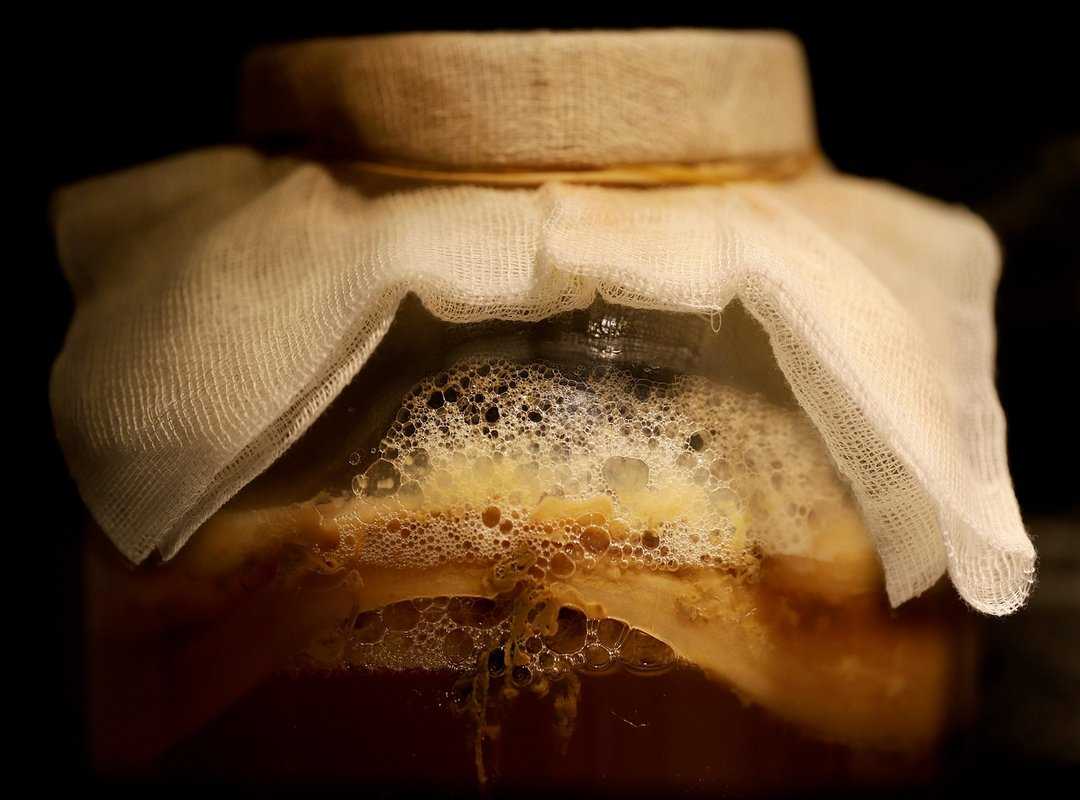
Why isn’t my ferment bubbling? You’re asking yourself, is it too cold? A chilly room can slow down the fermentation process. Or maybe you didn’t use enough salt. Chlorinated water is another culprit. Try moving your jar to a warmer spot. Add a bit more salt next time, and always use filtered water. Small tweaks can make a big difference.
My brine is cloudy. Is it safe? Cloudy brine can freak you out, but it’s actually a good sign. It means those beneficial bacteria are hard at work. So relax, your ferment is on track.
It smells weird. What’s normal? The nose knows, right? Your ferment should smell pleasantly sour. If it smells rotten or putrid, that’s a red flag. Toss it out. You don’t want to mess around with spoilage.
By the way, if you’re into more than just veggies and want to explore other fermented goodies, this guide could come in handy. Learning about kombucha can be a fascinating dive into the world of fermentation. Use it as a resource to expand your fermenting knowledge, and don’t be afraid to experiment.
Fermentation is as much about discovery as it is about flavor.
Flavor Your Ferments: A Creative Adventure
You’ve mastered the basics. Now, to the fun part: infusing your ferments with flavor. Why stick to plain when you can get creative?
Trust me, this is where the magic happens. You can transform ordinary veggies into gourmet delights that surprise and delight.
Think about it: carrots with fresh ginger and turmeric root. Sounds intriguing, right? Or green beans paired with garlic cloves and black peppercorns.
These combinations aren’t just tasty; they’re big.
If you’re looking for a classic twist, try beets with orange peel and star anise. Even cabbage can become a culinary masterpiece with caraway seeds and juniper berries (hello, classic sauerkraut). This isn’t just a fermenting vegetables guide; it’s an invitation to experiment.
So ask yourself, what flavors make you curious? Grab those spices, herbs, or even fruits. Fermentation is as much about art as it is about science.
Go on, create something unforgettable.
Get Started with Fermentation
Hesitation and uncertainty often stop people from trying fermentation. You’ve searched for clear steps, and now you have them. The fermenting vegetables guide provides a straightforward, step-by-step method.
It works because it’s natural and time-tested. Just keep those veggies submerged. Safe, rewarding, and now within your reach.
So, what’s stopping you? Choose a vegetable this week. Grab a jar.
Make your first batch. You can do it, and we’re here to help. Fermentation isn’t just about preserving food; it’s about creating something new.
Something better. Ready to dive in? Let’s get fermenting.
 Head of Culinary Content & Research
Adrianestor Beasley has opinions about culinary buzz. Informed ones, backed by real experience — but opinions nonetheless, and they doesn't try to disguise them as neutral observation. They thinks a lot of what gets written about Culinary Buzz, Flavor Fusion Concepts, Ingredient Spotlight Ideas is either too cautious to be useful or too confident to be credible, and they's work tends to sit deliberately in the space between those two failure modes.
Reading Adrianestor's pieces, you get the sense of someone who has thought about this stuff seriously and arrived at actual conclusions — not just collected a range of perspectives and declined to pick one. That can be uncomfortable when they lands on something you disagree with. It's also why the writing is worth engaging with. Adrianestor isn't interested in telling people what they want to hear. They is interested in telling them what they actually thinks, with enough reasoning behind it that you can push back if you want to. That kind of intellectual honesty is rarer than it should be.
What Adrianestor is best at is the moment when a familiar topic reveals something unexpected — when the conventional wisdom turns out to be slightly off, or when a small shift in framing changes everything. They finds those moments consistently, which is why they's work tends to generate real discussion rather than just passive agreement.
Head of Culinary Content & Research
Adrianestor Beasley has opinions about culinary buzz. Informed ones, backed by real experience — but opinions nonetheless, and they doesn't try to disguise them as neutral observation. They thinks a lot of what gets written about Culinary Buzz, Flavor Fusion Concepts, Ingredient Spotlight Ideas is either too cautious to be useful or too confident to be credible, and they's work tends to sit deliberately in the space between those two failure modes.
Reading Adrianestor's pieces, you get the sense of someone who has thought about this stuff seriously and arrived at actual conclusions — not just collected a range of perspectives and declined to pick one. That can be uncomfortable when they lands on something you disagree with. It's also why the writing is worth engaging with. Adrianestor isn't interested in telling people what they want to hear. They is interested in telling them what they actually thinks, with enough reasoning behind it that you can push back if you want to. That kind of intellectual honesty is rarer than it should be.
What Adrianestor is best at is the moment when a familiar topic reveals something unexpected — when the conventional wisdom turns out to be slightly off, or when a small shift in framing changes everything. They finds those moments consistently, which is why they's work tends to generate real discussion rather than just passive agreement.